


What is the secret to a happy life? The real secret is simple: strong relationships, a clear purpose, and daily gratitude. These habits build lasting happiness and deep life satisfaction.
Many people think happiness comes from success or money. But research in positive psychology shows something different. True emotional well-being grows from meaningful life choices, healthy relationships, and a positive mindset. It also depends on mental health, self-awareness, and small daily habits that support inner peace.
You do not need a perfect life. You need balance, growth, and connection. When you focus on personal development and gratitude practice, your quality of life improves in quiet but powerful ways.
Why Most People Struggle to Feel Happy
Many people want happiness, but they feel stuck. They work hard, chase goals, and still feel empty inside. This happens because happiness is not only about success. It is about emotional well-being, balance, and meaning. When life feels rushed and heavy, finding inner peace becomes hard.
Chasing Success Instead of Meaning
Many people believe success equals happiness. They focus on money, titles, and status. These things can improve the quality of life, but they do not guarantee life satisfaction. Without a meaningful life, success feels shallow.
Positive psychology shows that purpose-driven living matters more than achievements alone. When your goals match your values, you feel fulfilled. Personal development becomes exciting, not stressful. A growth mindset also helps. It shifts focus from proving yourself to improving yourself. That change builds real happiness and emotional balance.
Comparing Yourself to Others
Social media makes comparison easy. You see highlights of other people’s lives. You start questioning your own progress. This habit damages self-awareness and self-acceptance.
Comparison steals joy. It increases stress and weakens mental health. Everyone’s path is different. A meaningful life is personal. When you focus on your own daily habits and goals, your confidence grows. Gratitude practice also helps. It trains your mind to notice what is already good.
Ignoring Mental and Emotional Health
Many people ignore stress until it becomes heavy. They forget that mental health shapes happiness. Without emotional strength and resilience, small problems feel huge.
Mindfulness, self-care routine, and healthy relationships support emotional well-being. Taking care of your mind is not selfish. It is necessary for a happy and balanced life.
The Real Secret to a Happy Life (Backed by Research)
If you ask again, what is the secret to a happy life, research gives a clear answer. It is not fame or luxury. It is connection, purpose, and simple daily habits. Studies in positive psychology show that emotional well-being grows from how we live each day. Happiness is built, not found.

Strong Relationships Matter Most
Healthy relationships are one of the strongest predictors of life satisfaction. People who feel close to family and friends report higher happiness and better mental health. Social connection gives us support during stress. It also increases feelings of safety and belonging.
When you share your thoughts and emotions, your emotional balance improves. You feel understood. You feel valued. This builds inner peace.
It is not about having many friends. It is about having real ones. Honest conversations, shared laughter, and simple time improve your quality of life more than material things. Community support also strengthens resilience during hard times.
Gratitude Changes Your Perspective
Gratitude practice is small but powerful. When you focus on what is working in your life, your brain shifts. Research shows that gratitude can improve mental clarity and reduce stress. It supports emotional well-being.
You do not need big achievements to feel grateful. Small things matter. A quiet morning. A kind message. Good health. Writing them down in a gratitude journal increases self-awareness.
This habit builds a positive mindset. It trains your brain to look for good moments instead of problems. Over time, this creates long-lasting joy.
Living With Purpose Gives Direction
A purpose-driven life brings meaning. When you know why you wake up each day, your actions feel important. Purpose does not have to be dramatic. It can be raising a family, helping others, or growing in your career.
Purpose supports personal development. It gives direction to your goals. It also improves resilience. When challenges appear, you keep moving because your life has meaning.
People with a clear life purpose often report higher life satisfaction. They feel connected to something bigger than themselves.
Taking Care of Your Body and Mind
Physical health and mental health are deeply connected; regular movement, good sleep, and healthy food support emotional strength. When your body feels better, your mood improves.
Mindfulness also helps. It keeps you present. It reduces stress management problems. A simple self-care routine protects your energy.
Happiness is not about perfection. It is about balance. When you care for both your body and mind, you lay a strong foundation for a meaningful life.
Small Daily Habits That Increase Happiness
Happiness is not created in one big moment. It grows through small daily habits. These habits shape your mindset, improve emotional well-being, and increase life satisfaction over time. You do not need a dramatic life change. You need simple actions done consistently. Small steps build long-lasting joy and a better quality of life.
Practicing Daily Gratitude
Gratitude practice is one of the easiest habits to start. It takes only a few minutes. Each day, think about three good things in your life. They can be small.
This habit improves mental clarity and builds a positive mindset. It shifts your focus from problems to possibilities. Over time, gratitude strengthens emotional balance and inner peace. Many studies in positive psychology support this simple method.
Limiting Social Media Use
Social media often increases comparison and stress. You see curated moments, not real life. This can harm self-acceptance and mental health.
Limiting screen time protects your emotional well-being. It gives you space to focus on real relationships and personal goals. Fewer comparisons lead to greater life satisfaction. You begin to value your own progress.
Spending Time in Nature
Nature has a calming effect on the brain. A short walk outside can reduce stress and improve mood. It supports mindfulness and helps you stay present.
Fresh air and natural light improve physical health and emotional strength. You feel lighter. You think more clearly. Even ten minutes outside can improve your quality of life.
Helping Others Without Expecting Return
Acts of kindness increase happiness for both people. Helping someone builds social connection and a sense of purpose. It reminds you that your actions matter.
When you give without expecting reward, you strengthen empathy and self-awareness. This supports a meaningful life. Service creates deep satisfaction that money cannot buy.
Does Money Really Bring Happiness?
Money plays a role in happiness, but it is not the full answer. It can improve comfort and security. It can reduce stress about basic needs. But research in positive psychology shows that after a certain point, more money does not guarantee greater life satisfaction. Emotional well-being depends on more than income.
Basic Needs vs. Luxury
Financial security is important. When you can afford food, shelter, healthcare, and education, your stress levels drop. Your mental health improves. You feel safe. That safety supports inner peace.
But luxury items do not create long-lasting joy. A new car or expensive phone may feel exciting at first. That feeling fades quickly. Happiness built only on material things is often temporary.
Experiences vs. Material Things
Spending money on experiences often brings more life satisfaction than buying objects. Travel, learning something new, or sharing moments with loved ones builds strong memories. These memories strengthen social connections and emotional resilience.
Experiences also support a meaningful life. They help you grow. They build self-awareness and personal development. A dinner with close friends may bring more happiness than a costly purchase.
The Role of Financial Security
Financial stability supports emotional balance. When you are not worried about bills, you have more mental space. You can focus on relationships, health, and purpose-driven goals.
However, money alone cannot replace healthy relationships or a positive mindset. It cannot create gratitude or self-acceptance. True quality of life comes from balance. Financial security supports happiness, but connection, purpose, and daily habits sustain it.
How to Create Your Own Version of a Happy Life
Happiness looks different for everyone. There is no single path that fits all. A meaningful life is personal. It depends on your values, goals, and daily habits. When you build happiness in a way that matches who you are, your life satisfaction becomes deeper and more stable.
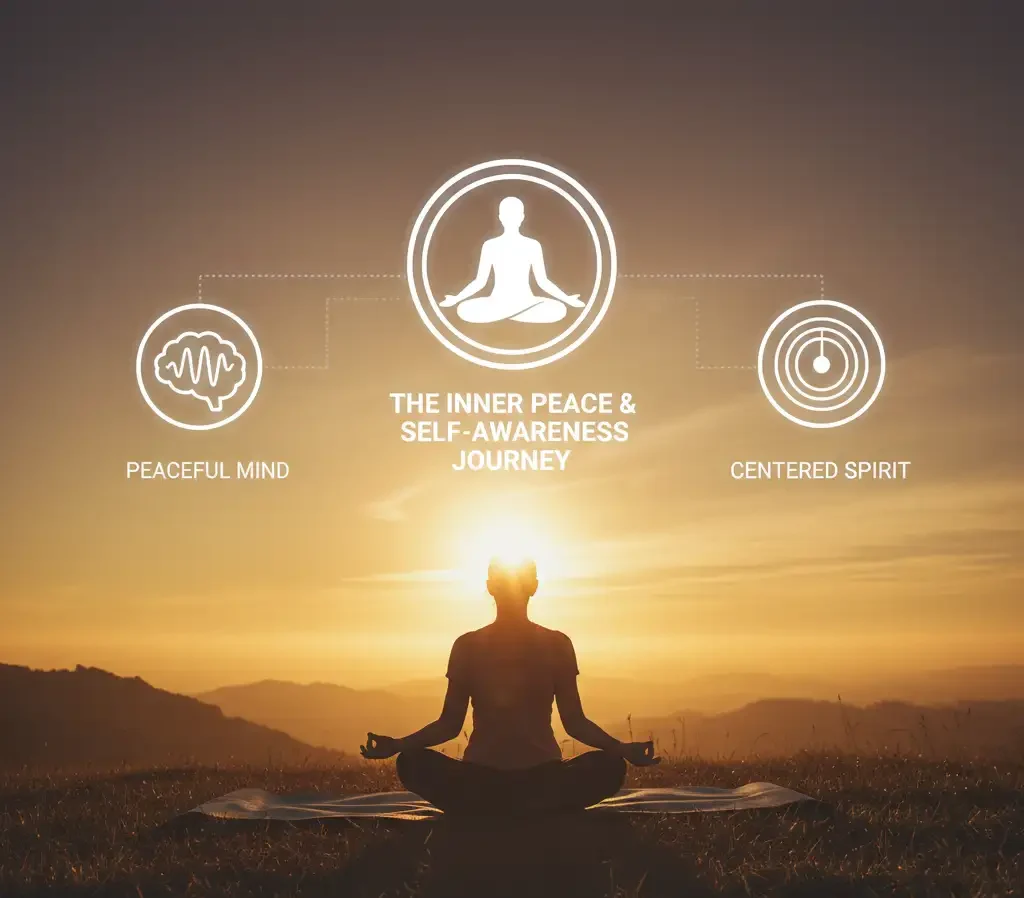
Define What Happiness Means to You
Start with self-awareness. Ask yourself simple questions. What makes you feel alive? When do you feel inner peace?
Do not copy someone else’s idea of success. Your version of happiness may be quiet and simple. It may focus on family, creativity, service, or growth. When your definition is clear, your choices become easier. This clarity supports emotional well-being and a positive mindset.
Set Realistic Personal Goals
Goals give direction to a purpose-driven life. Without goals, it is easy to feel lost. But goals must be realistic. If they are too big or vague, stress increases.
Break big dreams into small steps. Small wins build confidence and resilience. They improve mental health and emotional balance. Progress, even slow progress, increases life satisfaction.
Personal development is not about racing others. It is about improving your own quality of life step by step.
Focus on Progress, Not Perfection
Perfection creates pressure. It often harms self-acceptance. When you chase perfection, you ignore growth.
A growth mindset changes this. It teaches you to see mistakes as lessons. This builds emotional strength and reduces stress.
Happiness grows when you accept yourself as you are while still aiming to improve, balance matters. When you value progress over perfection, you create long-lasting joy and a life that feels truly your own.
Final Thoughts: Happiness Is Simpler Than You Think
Happiness is not a secret hidden in fame, money, or perfect circumstances. It is built from small, intentional choices every day. Strong relationships, a clear sense of purpose, gratitude, and simple daily habits form the foundation of a meaningful life. Emotional well-being grows when you focus on balance, self-awareness, and personal growth.
Life does not need to be complicated to be fulfilling. Mindfulness, self-care routines, and acts of kindness strengthen your inner peace and mental clarity. Spending time with loved ones, connecting with nature, and appreciating small joys all contribute to long-lasting happiness.
True happiness comes from understanding yourself, nurturing your relationships, and living with purpose. A positive mindset, healthy habits, and emotional strength support it. When you focus on progress instead of perfection, you create a life that feels rich and satisfying.
Happiness is available to everyone. It grows quietly when you pay attention to the things that matter most: your body, mind, and heart. By making small, meaningful choices every day, you can live a life full of joy, gratitude, and lasting satisfaction.
