


Is sleep the missing piece in mental health? Many people do not realize how important rest is for the brain and emotional well-being. Sleep affects mood, focus, memory, and stress. Yet, people often skip it for work, screens, or chores. Without enough good sleep, anxiety rises, emotions feel unsteady, and thinking slows down.
Studies show that regular sleep, proper sleep cycles, and healthy bedtime habits are key to mental clarity and balance. Sleep helps the brain recover, hormones stay in check, and feelings stay steady. Prioritizing rest is not a luxury. It is essential for calmness, focus, and long-term mental health.
How Sleep Impacts the Brain
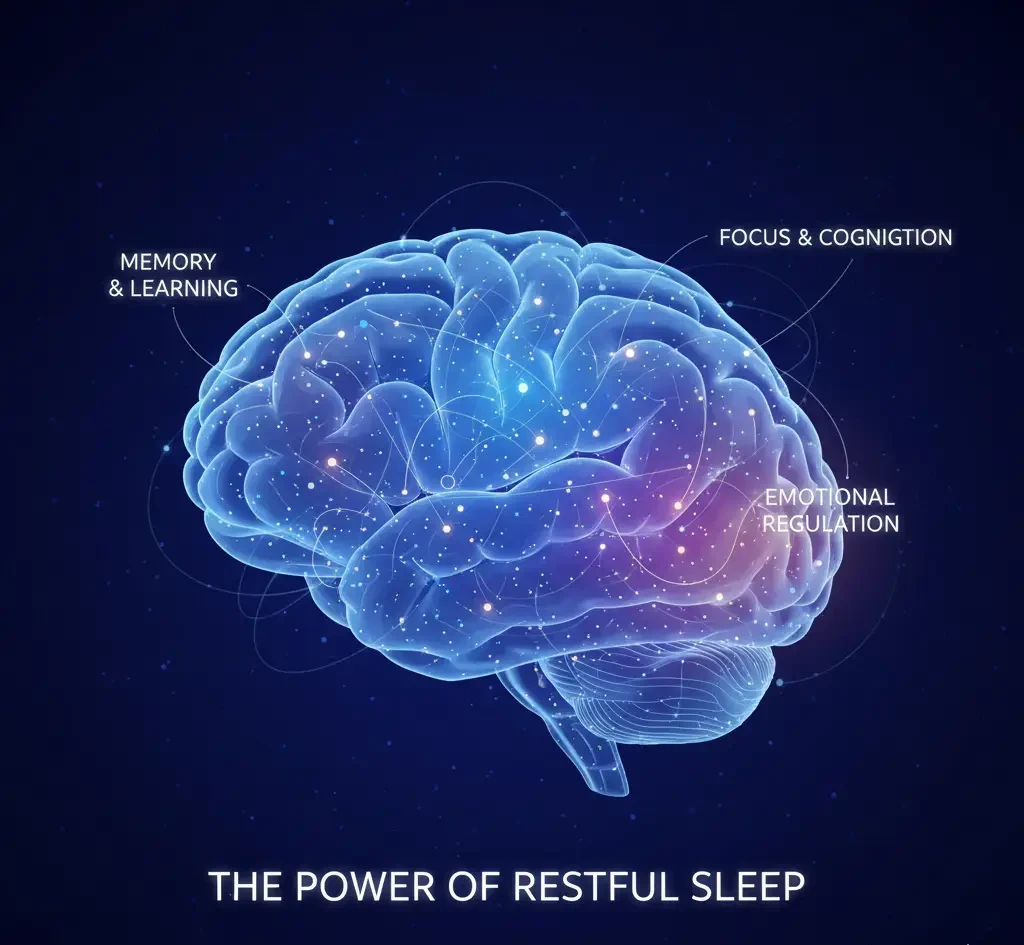
Sleep is not just rest. It is when your brain repairs itself. Sleep affects memory, focus, and how you manage emotions. Without enough sleep, your thoughts feel slow. You may feel irritable or anxious. Good sleep is essential for mental health, emotional balance, and overall well-being.
Memory, Focus, and Cognitive Function
During sleep, the brain processes information from the day. Short-term memories become long-term memories. Learning improves, and focus gets sharper. Sleep helps you think clearly and solve problems better. Lack of sleep reduces mental clarity. Easy tasks may feel hard. Cognitive performance drops, making daily life more stressful.
Emotional Regulation and Stress Management
Sleep affects how you handle emotions. When you are tired, small problems can feel huge. Sleep deprivation increases stress levels and reduces emotional resilience. People who sleep well can stay calm in stressful situations. Their mental well-being is stronger, and mood swings are fewer. Emotional balance depends heavily on restorative sleep and healthy sleep cycles.
Hormones and Neurotransmitters
Sleep regulates hormones like cortisol, which controls stress, and serotonin, which affects mood. Good sleep keeps these chemicals balanced. Brain recovery happens during deep sleep and REM sleep. Without proper sleep, these processes are disrupted. Stress increases, anxiety grows, and overall mental health suffers.
Good sleep is not a luxury. It is a tool for a healthier brain and a happier mind. Prioritizing sleep helps you think clearly, feel balanced, and improve your emotional well-being every day.
Common Sleep Problems That Harm Mental Health
Many people struggle with sleep without realizing its effect on mental health. Poor sleep can worsen stress, lower mood, and reduce focus. Over time, it can lead to anxiety, depression, and other emotional problems. Understanding common sleep issues helps protect mental well-being and build a more balanced life.
Insomnia and Anxiety
Insomnia is the inability to fall or stay asleep. People with insomnia often feel tired but restless. Anxiety can make insomnia worse, and insomnia can increase anxiety. This cycle affects emotional regulation and mental clarity. Even simple daily tasks can feel overwhelming when sleep is poor. Regular sleep schedules and calming bedtime routines help break this cycle and improve emotional balance.
Sleep Apnea and Depression
Sleep apnea causes brief pauses in breathing during sleep. It reduces deep, restorative sleep and increases fatigue. People with sleep apnea often experience mood swings, irritability, and low energy. Over time, it may contribute to depression. Treating sleep apnea with medical guidance improves brain recovery, mental resilience, and overall emotional well-being.
Irregular Sleep Patterns
Going to bed and waking up at different times disrupts the circadian rhythm. This can affect hormones, stress management, and cognitive performance. Irregular sleep makes it harder to focus, process emotions, and stay balanced. Consistent sleep habits, proper sleep cycles, and mindful routines are essential for maintaining mental health and emotional stability.
Sleep is a foundation for mental well-being. Recognizing these common problems allows you to take action. By improving sleep, you support memory, focus, stress management, and emotional balance every day.
The Science Linking Sleep and Mental Health
Sleep is more than rest. It directly affects how the brain works and how we feel. Research shows that poor sleep can lead to anxiety, depression, and trouble managing emotions. Sleep supports memory, focus, and stress management, all of which are vital for mental health.
Studies on Sleep Deprivation and Mood Disorders
Many studies show that missing sleep increases the risk of mood disorders. People who sleep less than six hours a night often report higher anxiety and depression. Sleep deprivation makes emotional regulation harder. Small problems feel bigger, and coping with stress becomes more difficult. Restorative sleep, on the other hand, strengthens resilience and improves emotional balance.
Sleep and Neuroplasticity
Sleep also helps the brain change and grow, a process called neuroplasticity. During sleep, the brain forms new connections and strengthens existing ones. This helps with learning, memory, and mental clarity. Without proper sleep, neuroplasticity slows down. Cognitive performance drops, and mental well-being suffers.
The Role of REM and Deep Sleep
REM sleep and deep sleep are especially important. REM sleep helps process emotions and supports mood stability. Deep sleep restores the body and clears stress-related chemicals from the brain. Missing these sleep stages affects emotional regulation, focus, and overall mental health.
Science clearly shows that sleep is essential for a healthy brain and emotional balance. Prioritizing proper sleep cycles, consistent rest, and good bedtime habits supports mental clarity, mood stability, and long-term mental well-being.
Tips for Better Sleep to Improve Mental Health
Better sleep can improve mood, focus, and emotional well-being. Small changes in daily habits make a big difference. You do not need complicated routines. Simple, consistent steps support restorative sleep and mental clarity.
Create a Consistent Sleep Schedule
Going to bed and waking up at the same time every day helps the body’s circadian rhythm. Your brain and hormones adjust naturally, making it easier to fall asleep and stay asleep. Consistency reduces stress and supports emotional balance. Even on weekends, try to keep the same schedule to maintain mental well-being.
Optimize Your Sleep Environment
Your bedroom affects sleep quality. A dark, quiet, and cool room promotes deep sleep. Limit distractions, like screens or loud noises, before bedtime. Comfortable bedding and a clean space help the mind relax. A good environment improves cognitive performance and emotional resilience.
Mindfulness, Relaxation, and Stress Reduction
Relaxation techniques support mental health and help you sleep better. Meditation, deep breathing, and gentle stretching calm the mind. Journaling or planning for the next day can reduce racing thoughts. Mindfulness practices improve emotional regulation, reduce anxiety, and strengthen overall mental clarity.
Limit Caffeine and Heavy Meals Before Bed
Caffeine and large meals can disrupt sleep cycles. Avoid them in the evening. A light snack or herbal tea is better. Proper nutrition supports hormone production, brain recovery, and restful sleep, all of which boost emotional well-being.
Small, consistent changes make a big difference. By prioritizing sleep and following these tips, you support mental health, emotional balance, and daily focus. Rest becomes a tool, not a luxury.
When to Seek Help
Sleep problems can affect anyone, but they can sometimes signal a deeper issue. Knowing when to ask for help is important for mental health. Ignoring persistent sleep troubles can worsen anxiety, depression, and emotional balance. Seeking support early protects mental clarity and overall well-being.
Signs You May Need Professional Support

If you regularly struggle to fall asleep, stay asleep, or feel tired despite enough rest, it may be time to get help. Other signs include mood swings, irritability, memory issues, and difficulty managing stress. Persistent insomnia, sleep apnea, or irregular sleep patterns can affect your emotional well-being and cognitive performance.
How Therapy and Sleep Interventions Can Help
Professional help can guide you in improving sleep and mental health. Cognitive behavioral therapy for insomnia (CBT-I) teaches strategies to relax, improve bedtime routines, and reduce racing thoughts. Doctors may screen for medical conditions like sleep apnea or hormone imbalances that disrupt restorative sleep. Mindfulness and relaxation exercises recommended by therapists can strengthen emotional regulation and mental resilience.
Building Long-Term Sleep Habits
A professional can also help you build healthy, consistent sleep routines. These habits support circadian rhythm, hormone balance, and stress management. Over time, they improve emotional well-being, focus, and life satisfaction.
Seeking help is not a sign of weakness. It is a step toward better mental health. Addressing sleep problems early creates lasting benefits for your mood, energy, and cognitive performance.
Conclusion: Sleep as a Key to Mental Well-Being
Sleep is more than a nightly routine. It is a foundation for mental health, emotional balance, and cognitive performance. Proper rest helps the brain recover, supports memory, improves focus, and strengthens emotional regulation. Without it, anxiety, stress, and mood problems can grow.
Prioritizing sleep means creating consistent routines, optimizing your sleep environment, and practicing relaxation techniques. Mindfulness, proper nutrition, and limiting distractions before bed further improve restorative sleep. These small, consistent actions have a big impact on mental clarity, resilience, and overall well-being.
Science shows that sleep affects hormones, neurotransmitters, and brain recovery. Deep sleep and REM sleep are crucial for processing emotions and maintaining a positive mindset. By understanding these processes, we see that sleep is not a luxury. It is a tool for a healthier, calmer, and happier life.
Addressing sleep problems early, seeking professional help if needed, and forming healthy sleep habits support long-term mental health. When we give rest the attention it deserves, our brains function better, our moods improve, and our emotional well-being thrives. Sleep is, truly, a key piece of the mental health puzzle.
FAQ
How does sleep affect mental health?
Sleep impacts memory, focus, mood, and emotional regulation. Proper sleep reduces stress, improves cognitive performance, and supports mental well-being.
Can poor sleep cause anxiety or depression?
Yes. Sleep deprivation increases stress, irritability, and mood swings, which can worsen anxiety and contribute to depression over time.
What is the best way to improve sleep for mental health?
Maintain a consistent sleep schedule, create a relaxing bedtime routine, optimize your sleep environment, and practice mindfulness or stress-reduction techniques.
How much sleep do adults need for emotional well-being?
Most adults need 7–9 hours of quality sleep per night. Restorative sleep, including deep sleep and REM cycles, is essential for mental clarity and emotional balance.
When should I seek professional help for sleep problems?
If insomnia, sleep apnea, or irregular sleep patterns persist, or if sleep problems affect mood and daily life, consulting a sleep specialist or therapist is recommended.
