

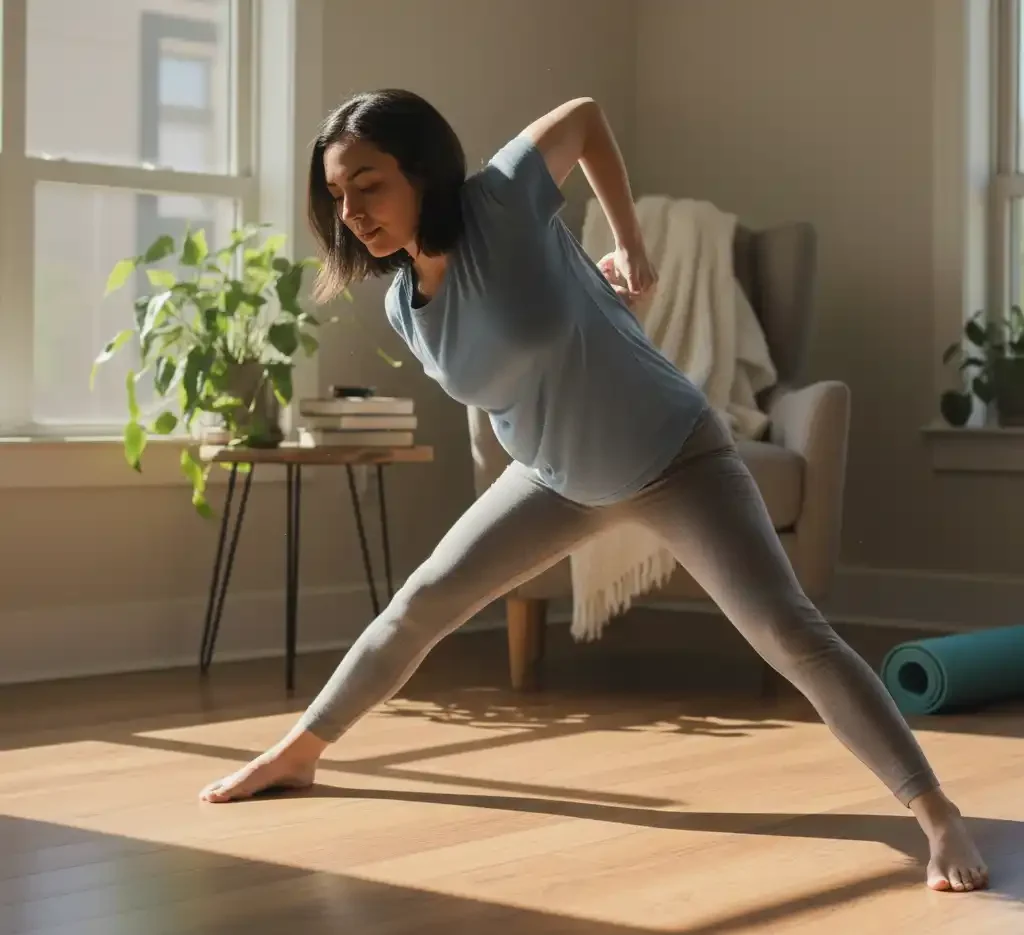
Starting a home workout routine for beginners can feel overwhelming at first, but it doesn’t have to be. You don’t need fancy equipment or a gym membership to get started. Simple daily workouts, such as squats, lunges, push-ups, planks, and stretching, can build strength, flexibility, and stamina.
Starting with a short 20–30 minute routine makes it easy to stay consistent and avoid burnout. By tracking your progress, setting small goals, and creating a dedicated workout space, you can turn home workouts into a healthy habit. With safe, beginner-friendly exercises and gradual progression, anyone can build fitness, confidence, and long-term results from home.
Essential Equipment or No-Equipment Options
Starting a home workout routine for beginners doesn’t require fancy equipment. You can get a full-body workout with just your body weight or simple household items. Knowing your options helps you stay consistent, avoid frustration, and make workouts more effective and enjoyable.
Using Minimal Equipment at Home
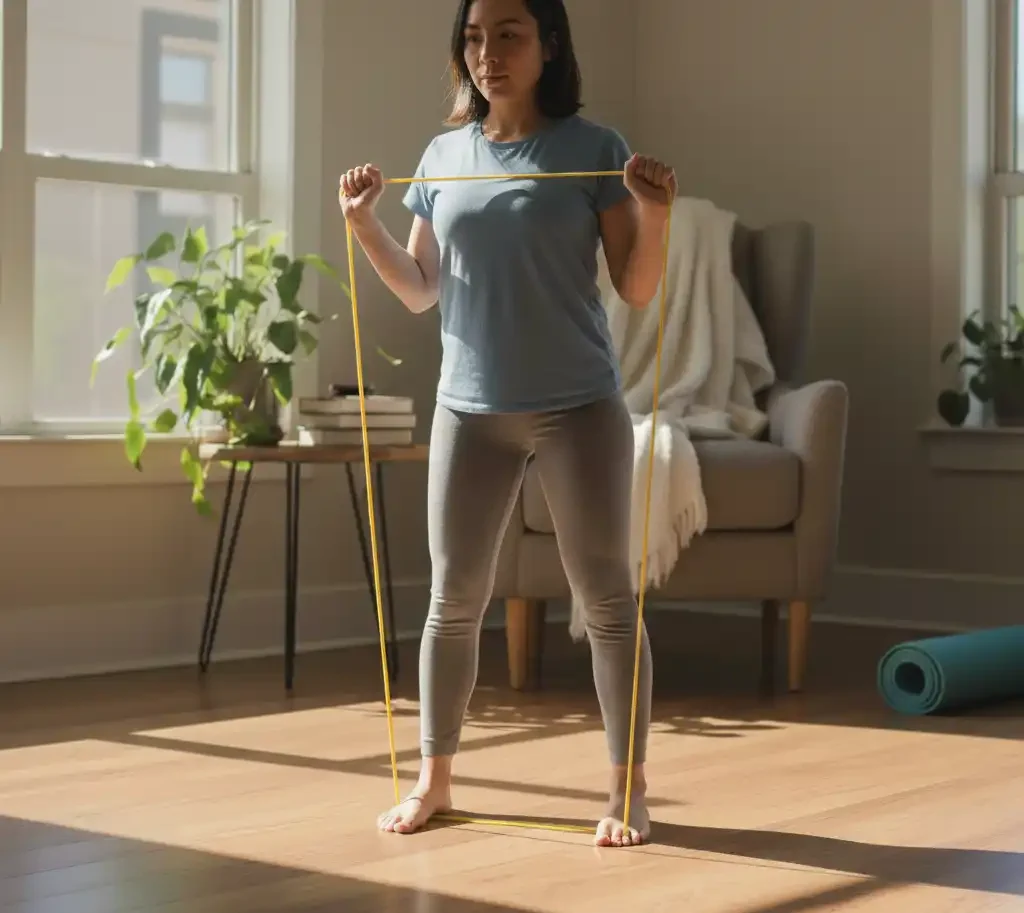
If you have basic items like resistance bands, a yoga mat, or light dumbbells, you can add variety and challenge to your exercises. Resistance bands are great for strength training, while a mat makes floor exercises like planks, push-ups, and stretches more comfortable. Light dumbbells or even water bottles can help gradually build arm and shoulder strength.
Bodyweight Exercises for Beginners
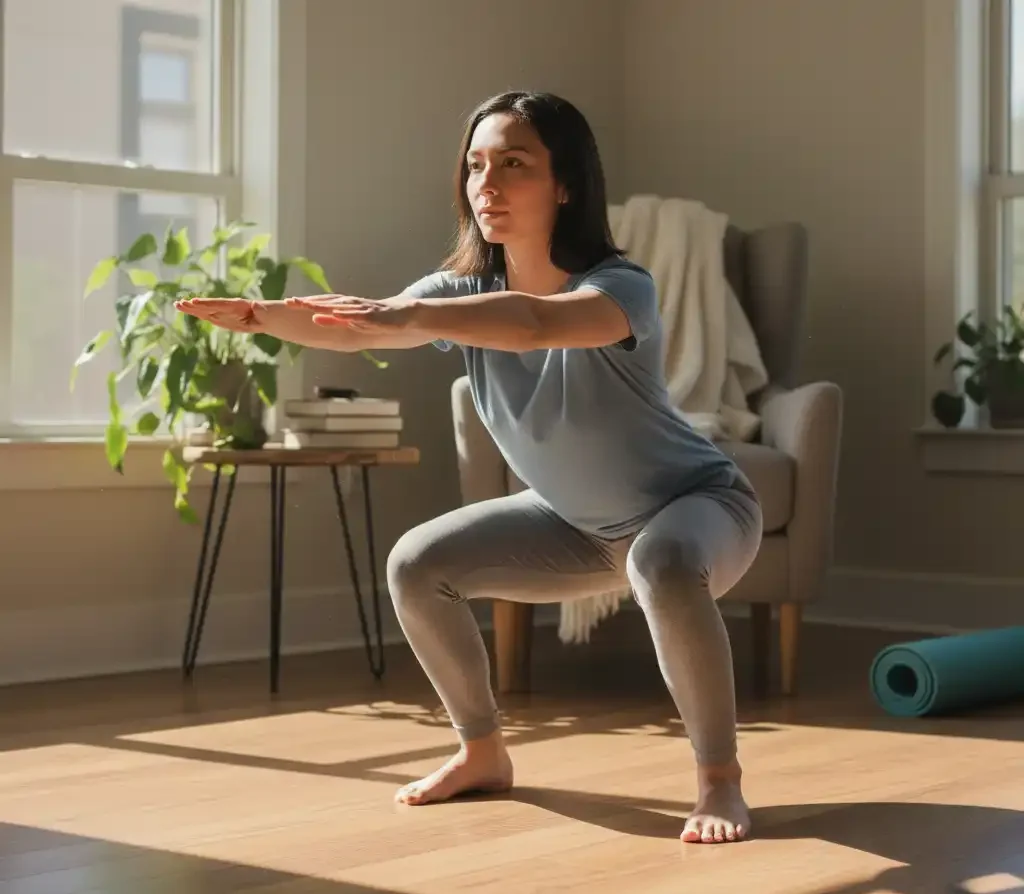
Bodyweight exercises are perfect for beginners and require no equipment. Squats, lunges, push-ups, planks, and bridges work multiple muscle groups while improving balance and flexibility. You can do them anywhere, from your living room to your backyard. Start with small sets and gradually increase the repetitions as your strength improves.
Household Items as Workout Tools
Even without gym tools, common household items can help. Chairs are excellent for tricep dips or step-ups. Towels can be used for sliding exercises on smooth floors. Backpacks filled with books can act as makeshift weights. These simple adaptations make it easier to maintain a safe, effective, and enjoyable home workout routine.
By combining bodyweight exercises, minimal equipment, and creative household tools, beginners can build strength, stamina, and confidence without ever leaving home.
Essential Equipment or No-Equipment Options
Starting a home workout routine for beginners doesn’t require fancy equipment. You can get a full-body workout with just your body weight or simple household items. Knowing your options helps you stay consistent, avoid frustration, and make workouts more effective and enjoyable.
Using Minimal Equipment at Home
If you have basic items like resistance bands, a yoga mat, or light dumbbells, you can add variety and challenge to your exercises. Resistance bands are great for strength training, while a mat makes floor exercises like planks, push-ups, and stretches more comfortable. Light dumbbells or even water bottles can help gradually build arm and shoulder strength.
Bodyweight Exercises for Beginners
Bodyweight exercises are perfect for beginners and require no equipment. Squats, lunges, push-ups, planks, and bridges work multiple muscle groups while improving balance and flexibility. You can do them anywhere, from your living room to your backyard. Start with small sets and gradually increase the repetitions as your strength improves.
Household Items as Workout Tools
Even without gym tools, common household items can help. Chairs are excellent for tricep dips or step-ups. Towels can be used for sliding exercises on smooth floors. Backpacks filled with books can act as makeshift weights. These simple adaptations make it easier to maintain a safe, effective, and enjoyable home workout routine.
By combining bodyweight exercises, minimal equipment, and creative household tools, beginners can build strength, stamina, and confidence without ever leaving home.
Structuring Your Home Workout Plan
Creating a clear home workout plan helps beginners stay consistent and make progress safely, a good routine balances cardio, strength, and flexibility while keeping sessions short and manageable. Planning your exercises also reduces confusion and keeps motivation high.
Frequency and Duration for Beginners
For beginners, aim for 3–5 workouts per week. Sessions can be 20–30 minutes long, which is enough to improve strength, stamina, and mobility without causing burnout. Short, regular workouts are more effective than occasional long sessions.
Balancing Cardio, Strength, and Flexibility
A well-rounded home routine includes:
- Cardio exercises like brisk walking, jumping jacks, or marching in place can improve stamina.
- Strength exercises such as squats, lunges, push-ups, and planks to build muscle and stability.
- Flexibility and stretching, like yoga or dynamic stretches, can help reduce stiffness and support recovery.
Sample 20–30 Minute Beginner Routine
Start with a 5-minute warm-up, then alternate strength and cardio exercises in small sets. Finish with 5–7 minutes of stretching for flexibility and relaxation. Adjust the repetitions to your comfort level and gradually increase the intensity as your fitness improves.
Structuring your workouts this way ensures balance, safety, and progress. It helps beginners develop a sustainable routine that strengthens the body, improves endurance, and supports long-term health.
Tips for Staying Motivated and Consistent
Starting a home workout routine is exciting, but staying motivated can be challenging. For beginners, small habits and simple strategies make a big difference. Consistency is key to building strength, stamina, and confidence over time.
Tracking Progress and Setting Goals
Keeping track of your workouts helps you see improvements and stay motivated. Write down exercises, repetitions, or the time spent on cardio. Set small, realistic goals, like increasing plank time by 10 seconds or adding an extra set of squats. Achieving these milestones gives a sense of accomplishment and encourages you to keep going.
Creating a Dedicated Workout Space
Having a specific area at home for exercise makes workouts easier and more enjoyable. It can be a corner in your living room or bedroom with a yoga mat, some space to move, and minimal distractions. A dedicated space signals your brain that it’s time to focus on fitness.
Overcoming Common Beginner Challenges
It’s normal to feel tired or lose motivation at times. To overcome this, keep workouts short, vary your exercises to prevent boredom, and remind yourself of the benefits, such as improved energy, posture, and mood. You can also use online videos, apps, or a workout buddy for extra accountability.
By tracking progress, setting achievable goals, and creating a supportive environment, beginners can stay consistent and make home workouts a sustainable habit.
Conclusion: Building a Sustainable Home Fitness Habit
Starting a home workout routine for beginners is just the first step. The key to success is consistency, safety, and gradual progression. By combining bodyweight exercises, minimal equipment, and simple household tools, anyone can build strength, improve stamina, and increase flexibility without leaving home.
Keep workouts short and manageable, around 20–30 minutes, and aim for 3–5 sessions per week. Track your progress, set small goals, and celebrate improvements, no matter how minor. Warm-ups, cool-downs, and proper form help prevent injuries while supporting long-term fitness.
By creating a dedicated workout space, staying motivated, and integrating these routines into daily life, beginners can turn home workouts into a sustainable habit. Over time, these simple, consistent practices lead to stronger muscles, better posture, and improved overall health—all from the comfort of home.
FAQ
How can beginners start a home workout routine?
Start with short, simple exercises like squats, lunges, push-ups, planks, and stretches. Gradually increase intensity.
Do I need equipment to exercise at home?
No, beginners can use bodyweight exercises. Resistance bands, light dumbbells, or household items can add variety.
How often should beginners work out at home?
Aim for 3–5 sessions per week, 20–30 minutes each, balancing cardio, strength, and flexibility.
How can I stay motivated with home workouts?
Track progress, set small goals, create a dedicated workout space, and celebrate improvements.
How do I prevent injury while exercising at home?
Warm up before workouts, use proper form, listen to your body, and modify exercises if needed.
