

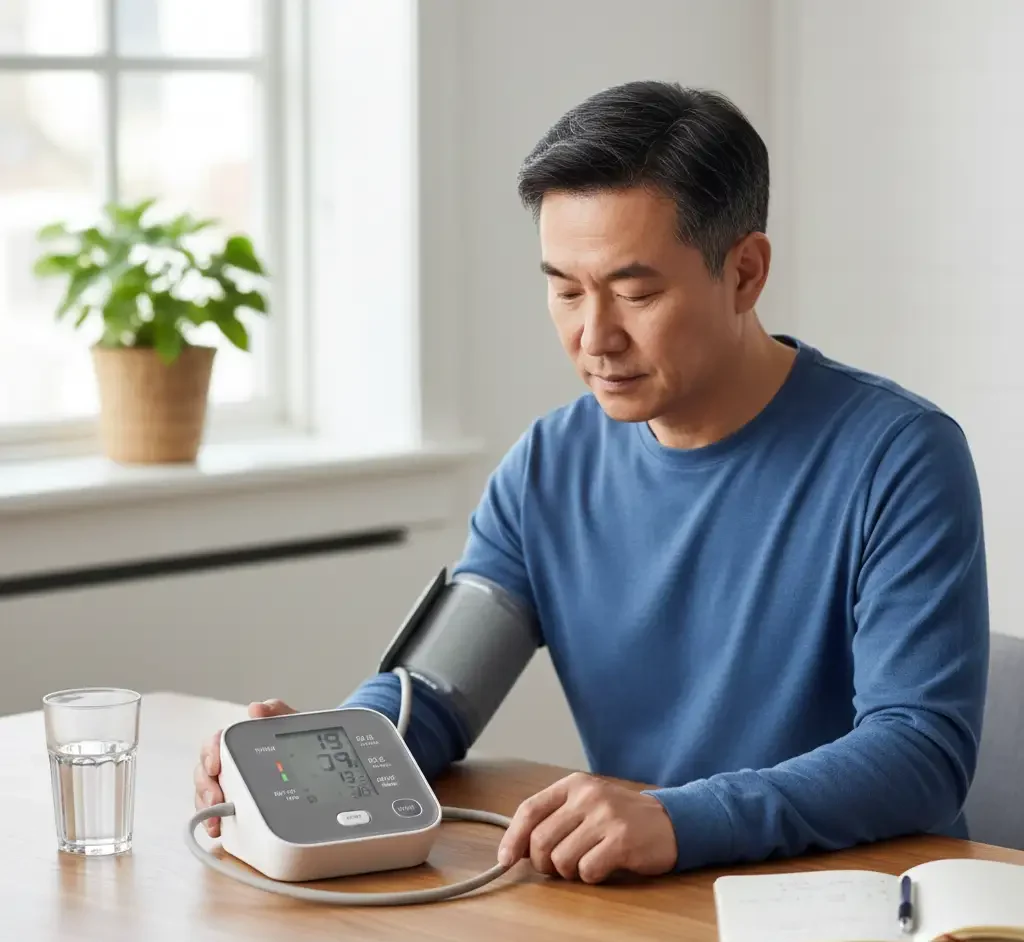
How to monitor heart health at home is easier than many people think. You can check your blood pressure, heart rate, and oxygen levels with simple tools and devices. Regular monitoring helps you spot changes early, understand how lifestyle habits like diet, exercise, and sleep affect your heart, and take action before problems arise.
Using a heart health log or apps makes tracking patterns simple and accurate. By keeping an eye on your cardiovascular health, you can reduce risks, maintain a strong heart, and improve overall well-being. Home monitoring is not a replacement for medical care, but it empowers you to take control and make informed decisions every day.
Key Vital Signs to Track at Home
Monitoring your heart health at home starts with tracking the right vital signs. Blood pressure, heart rate, and oxygen levels give a clear picture of how your cardiovascular system is performing. Keeping an eye on these numbers helps you understand your heart’s condition, spot early warning signs, and take steps to maintain a healthy heart. Simple tools and consistent checks make this process easy and effective.
Measuring Blood Pressure
Blood pressure is one of the most important indicators of heart health. High blood pressure can increase the risk of heart disease and stroke. Use a reliable home blood pressure monitor to measure your systolic and diastolic blood pressure. Take measurements at the same time each day and record them in a log or app. This helps identify trends and guides lifestyle adjustments.
Monitoring Heart Rate
Your heart rate, or pulse, tells you how hard your heart is working. A normal resting heart rate for most adults is between 60 and 100 beats per minute. Monitoring your heart rate can help detect irregular rhythms or changes due to stress, illness, or physical activity. Smartwatches, fitness trackers, and manual pulse checks all provide accurate readings.
Checking Oxygen Levels
Oxygen saturation (SpO2) shows how well your blood carries oxygen to organs. Low oxygen levels can strain the heart. Pulse oximeters are simple devices that give quick readings at home. Regular checks help ensure your heart and lungs are functioning properly.
Tracking these vital signs consistently allows you to take control of your cardiovascular health. It empowers you to make informed decisions about diet, exercise, and lifestyle to maintain a strong, healthy heart.
Tools and Devices for Home Heart Monitoring
Monitoring heart health at home is easier with the right tools. Simple, affordable devices help you accurately track blood pressure, heart rate, and oxygen levels. Using these tools consistently provides insights into your cardiovascular health and allows you to notice changes before they become serious problems.

Blood Pressure Monitors
Digital blood pressure monitors are simple and reliable for home use. Place the cuff on your upper arm, press a button, and get your systolic and diastolic readings in seconds. Some monitors connect to apps to record trends over time. Regular checks help detect high blood pressure early and guide lifestyle adjustments.
Heart Rate Monitors and Smartwatches
Heart rate monitors and smartwatches measure your pulse throughout the day. They track resting heart rate, heart rate during activity, and irregular rhythms. Many devices also provide alerts if your heart rate goes too high or too low. These tools make monitoring convenient and give valuable data for overall heart wellness.
Pulse Oximeters and Mobile Apps
Pulse oximeters measure oxygen saturation (SpO2) quickly and easily. Some apps track heart rate and blood pressure together, creating a complete picture of heart health. Keeping a digital log helps you identify patterns and make better lifestyle choices.
Using these devices consistently allows you to stay in control of your cardiovascular health. They empower you to take action, maintain a healthy heart, and support long-term wellness from the comfort of home.
Lifestyle Habits That Affect Heart Health
Monitoring heart health at home is important, but lifestyle habits play a huge role in keeping your heart strong. Simple daily choices, such as what you eat, how active you are, and how you manage stress, directly affect your cardiovascular system. Small, consistent changes can make a big difference over time.
Nutrition and Heart Health
A balanced diet supports healthy blood pressure, heart rate, and overall cardiovascular wellness. Focus on fruits, vegetables, whole grains, lean proteins, and healthy fats. Limit salt, sugar, and processed foods, as they can raise blood pressure and cholesterol. Drinking enough water and avoiding excess alcohol also helps maintain a healthy heart.
Exercise and Cardiovascular Fitness
Regular physical activity strengthens the heart, improves circulation, and helps control blood pressure and weight. Even moderate activities like walking, swimming, or cycling for 30 minutes a day benefit your heart. Tracking your heart rate during exercise can help ensure you stay within a safe and effective range.
Stress Management and Sleep
Chronic stress and poor sleep can raise heart rate and blood pressure, putting strain on the cardiovascular system. Mindfulness, meditation, deep breathing, and consistent sleep routines improve heart health and support emotional balance.
By combining monitoring with healthy lifestyle habits, you create a complete approach to protecting your heart. Tracking vital signs, eating well, staying active, and managing stress ensure your heart stays strong and healthy over the long term.
How to Record and Interpret Your Data
Tracking your heart health is only useful if you record and understand the data correctly. Logging your blood pressure, heart rate, and oxygen levels at home helps you see patterns over time. This makes it easier to spot changes, adjust lifestyle habits, and know when to seek medical advice.

Keeping a Heart Health Log
Use a notebook, spreadsheet, or mobile app to record your readings. Note the date, time, and conditions, like whether you just exercised, ate, or felt stressed. Consistent logging helps you see trends and makes your data more meaningful.
Understanding Normal vs. Concerning Values
Knowing what is normal helps you identify potential problems. For most adults, a resting heart rate of 60–100 bpm and blood pressure under 120/80 mmHg are healthy ranges. Oxygen saturation should be above 95%. Regularly exceeding these ranges may signal an issue, while lower readings could indicate fatigue, illness, or other concerns.
Identifying Patterns and Risk Factors
Over time, your log can reveal triggers that affect your heart, like high-salt meals, lack of sleep, or stressful days. Recognizing these patterns allows you to make small adjustments, such as improving your diet, exercising, or practicing relaxation, to maintain cardiovascular wellness.
Recording and interpreting your heart health data empowers you to take control. It gives clear insights into your cardiovascular system, supports lifestyle decisions, and ensures you stay proactive about long-term heart health.
When to Consult a Doctor
Home monitoring is useful, but sometimes professional guidance is necessary. Knowing when to contact a doctor helps keep your heart safe and prevents serious problems. Early medical advice can catch issues before they worsen and help you manage your cardiovascular health effectively.
Signs That Require Professional Attention
Seek medical help if your blood pressure is consistently above 130/80 mmHg or below 90/60 mmHg. Similarly, unusual heart rate patterns, too fast, too slow, or irregular, should be checked. Low oxygen saturation (below 95%) or symptoms like dizziness, chest pain, or shortness of breath are also warning signs.
How Doctors Can Help
A healthcare professional can review your home readings, identify trends, and suggest appropriate tests or treatments. They can adjust medications, recommend lifestyle changes, or refer you to specialists if needed. Regular check-ups complement home monitoring and provide a fuller picture of your heart health.
Preventive and Long-Term Support
Doctors can also guide you on long-term prevention strategies, including nutrition, exercise, and stress management. They help interpret complex readings and ensure your heart stays strong over time. Combining home monitoring with professional guidance maximizes heart health and reduces risks.
Consulting a doctor when needed makes home monitoring more effective. It ensures your cardiovascular system stays healthy, problems are detected early, and you receive the right care at the right time.
Conclusion
Monitoring heart health at home empowers you to take control of your cardiovascular well-being. Regularly tracking blood pressure, heart rate, and oxygen levels provides insight into how your body responds to diet, exercise, stress, and daily habits. Consistent monitoring helps you spot changes early and make informed decisions.
Combining home monitoring with healthy lifestyle habits, such as balanced nutrition, regular physical activity, stress management, and quality sleep, creates a comprehensive approach to heart wellness. Using logs, apps, and simple devices makes it easy to see patterns, understand normal ranges, and adjust behaviors to support long-term cardiovascular health.
Professional guidance is also important. Consulting a doctor when readings are consistently high or low ensures you receive timely care and prevents complications. By integrating home monitoring, lifestyle habits, and medical advice, you can maintain a strong, healthy heart and enjoy better overall wellness.
Taking small, consistent steps to track and improve your heart health at home is a powerful way to protect yourself and live a healthier, more confident life.
FAQ Questions
How can I monitor heart health at home?
You can track blood pressure, heart rate, and oxygen levels using home devices like digital monitors, pulse oximeters, and smartwatches.
What is a normal heart rate and blood pressure at home?
A normal resting heart rate is 60–100 bpm. Blood pressure under 120/80 mmHg is healthy for most adults, and oxygen saturation should be above 95%.
How often should I check my heart health at home?
Daily or a few times per week is recommended, depending on your risk factors and doctor’s guidance. Consistency helps identify trends and changes.
Which lifestyle habits improve heart health?
Balanced nutrition, regular exercise, stress management, quality sleep, and avoiding excessive salt or sugar all support a healthy heart.
When should I consult a doctor about home heart monitoring?
Contact a healthcare professional if readings are consistently high or low, or if you experience symptoms like dizziness, chest pain, or irregular heart rhythms.
