


Does Anthem Blue Cross cover Mounjaro for weight loss? The clear answer is usually no. Anthem Blue Cross often does not cover Mounjaro when used solely for weight loss. Coverage may be available only if the drug is approved for diabetes and meets medical necessity requirements.
Many people ask this because Mounjaro has helped with weight loss. It is a GLP-1 medication, also called tirzepatide. It helps control blood sugar and hunger. Insurance coverage depends on your health insurance plan, the formulary, and prior authorization requirements. Some plans allow it. Many plans deny it. Knowing how prescription coverage works, why coverage denial happens, and what options you have can save money, time, and stress.
What Is Mounjaro and Why Is It Used for Weight Loss?
Mounjaro is a prescription drug that many people talk about for weight loss. Doctors first used it for type 2 diabetes. Over time, patients noticed changes in weight. This led to more interest. People now ask about insurance coverage, medical use, and whether health insurance plans allow it.
How Mounjaro Works in the Body
Mounjaro is a GLP-1 medication. Its drug name is tirzepatide. It helps the body control blood sugar. It also helps people feel full sooner. Hunger drops. Cravings feel weaker. Many people eat less without trying hard. This effect supports the use of weight-loss medication, even when the primary goal is diabetes care.
FDA Approval and Off-Label Use
The FDA approved Mounjaro for type 2 diabetes. It is not approved only for weight loss. Because of this, weight loss use is often off-label use. Doctors can still prescribe it. Insurance coverage is a different issue. Many health insurance plans do not pay for off-label prescriptions.
Why Doctors Prescribe It for Weight Loss
Doctors may suggest Mounjaro when other options fail. This may occur after step-therapy rules. Some patients have obesity or prediabetes. Doctors may show medical necessity to support care. Even then, coverage denial is common. Prior authorization is often required. The formulary list plays a big role.
Mounjaro vs Other Weight Loss Drugs
Mounjaro is different from drugs like Wegovy or Ozempic. Those have FDA approval for obesity treatment. Anthem Blue Cross may cover those more often. Mounjaro can be effective, but prescription coverage is more difficult to obtain. Knowing these differences helps patients plan more effectively and avoid unexpected out-of-pocket costs.
Does Anthem Blue Cross Cover Mounjaro for Weight Loss?
Many people wonder if Anthem Blue Cross covers Mounjaro for weight loss. The short answer is that coverage is rare. Most health insurance plans only pay for Mounjaro when it is prescribed for type 2 diabetes. Using it solely for weight loss usually does not meet coverage rules.

Coverage Rules for Brand-Name Weight Loss Drugs
Anthem Blue Cross follows strict rules for brand-name medications. They check if the drug is medically necessary. For Mounjaro, that often means the patient must have diabetes. Plans look at your medical history and health records. If the reason for prescribing is just weight loss, many plans will deny coverage.
Medical Necessity and Diagnosis Requirements
Insurance requires doctors to show medical necessity. This means a written note explaining why Mounjaro is needed. Your diagnosis must match the plan’s coverage rules. If you only have obesity without diabetes, coverage is harder to get. Doctors may need to provide additional documentation to support the request.
Why Many Plans Deny Weight Loss Prescriptions
Coverage denial is common for off-label weight loss use. Anthem Blue Cross may cover similar FDA-approved GLP-1 medications for obesity, such as Wegovy or Ozempic. Mounjaro, while effective, is often seen as experimental for weight loss. Understanding these rules can help patients plan their treatment and avoid surprise out-of-pocket costs.
Anthem Blue Cross Coverage by Plan Type
Coverage for Mounjaro can vary depending on the type of Anthem Blue Cross plan you have. Each plan type has different rules, formularies, and approval steps. Knowing your plan type helps you determine whether coverage is available and what steps you may need to take.
- Employer-Sponsored Plans: Employer-sponsored plans are common. They usually have a formulary list that shows which medications are covered. Mounjaro is rarely listed for weight loss. Some employers allow exceptions if your doctor shows medical necessity. Prior authorization is almost always required.
- Individual and Marketplace Plans: Individual and marketplace plans follow similar rules. They focus on FDA-approved uses. Since Mounjaro is approved for type 2 diabetes but not obesity, coverage for weight loss is often denied. You may need your doctor to submit records proving medical necessity. Some plans may offer partial coverage or suggest alternatives.
- Medicaid and Medicare Considerations: Medicaid and Medicare have stricter rules. Coverage depends on your state and plan details. Weight-loss prescriptions are rarely covered unless diabetes is present. Step therapy or prior authorization is usually required. Patients may need to explore other covered GLP-1 medications or programs to manage weight.
Understanding your plan type helps you plan your treatment. It also reduces surprises with out-of-pocket costs. Knowing which rules apply can save time and stress when obtaining coverage for Mounjaro.
Prior Authorization and Step Therapy Requirements
Many people don’t know that Anthem Blue Cross often requires prior authorization for brand-name medications like Mounjaro. This is a process where the insurance company reviews your doctor’s prescription before approving coverage. It ensures the drug is necessary and fits the plan’s rules.
What Prior Authorization Means
Prior authorization is a review step. Your doctor must submit medical records and a letter explaining why Mounjaro is needed. This is especially important if the prescription is for weight loss and not diabetes. Without approval, the plan may deny coverage.
Common Documents Doctors Must Submit
Doctors usually send your health history, diagnosis, lab results, and past treatment records. They may also need to show that other covered medications were tried first. This helps prove medical necessity. Anthem Blue Cross uses these documents to decide if the prescription meets coverage rules.
Step Therapy and Alternative Medications
Step therapy means the insurance plan may ask you to try a different, covered medication first. For weight loss, Anthem might recommend drugs such as Wegovy or Ozempic, which are FDA-approved for obesity. If those fail, the plan may consider Mounjaro.
Knowing how prior authorization and step therapy work can save time, reduce stress, and help you plan treatment. It also explains why coverage for weight-loss prescriptions is often denied and what you can do to improve your chances of approval.
What to Do If Anthem Blue Cross Denies Coverage
Getting a coverage denial can be frustrating, but there are steps you can take. Understanding the process helps you act quickly and improve your chances of approval.
- How to Appeal a Denial: If Anthem Blue Cross denies Mounjaro, you have the right to appeal. Start by reading the denial letter carefully. It explains why coverage was denied and what information is needed. Submit a formal appeal with your doctor’s support, including medical records and a note explaining medical necessity.
- Asking Your Doctor to Submit Extra Records: Doctors can strengthen an appeal by providing additional documents. This may include past treatment history, lab results, and reasons why other medications did not work. Detailed notes demonstrate to the insurance company that Mounjaro is important to your health.
- Using Manufacturer Savings Cards: Even if your plan denies coverage, manufacturer coupons or savings cards may help reduce out-of-pocket costs. The drug maker offers these programs and can make the medication more affordable while you work on getting insurance approval.
Being prepared and knowing your options can save money, reduce stress, and help you continue treatment. Understanding the appeal process and working closely with your doctor gives you the best chance to overcome a coverage denial.
Cost of Mounjaro Without Insurance
Mounjaro can be expensive if you don’t have insurance coverage. Knowing the cost helps you plan and avoid surprises. The price varies by pharmacy and the dosage your doctor prescribes.
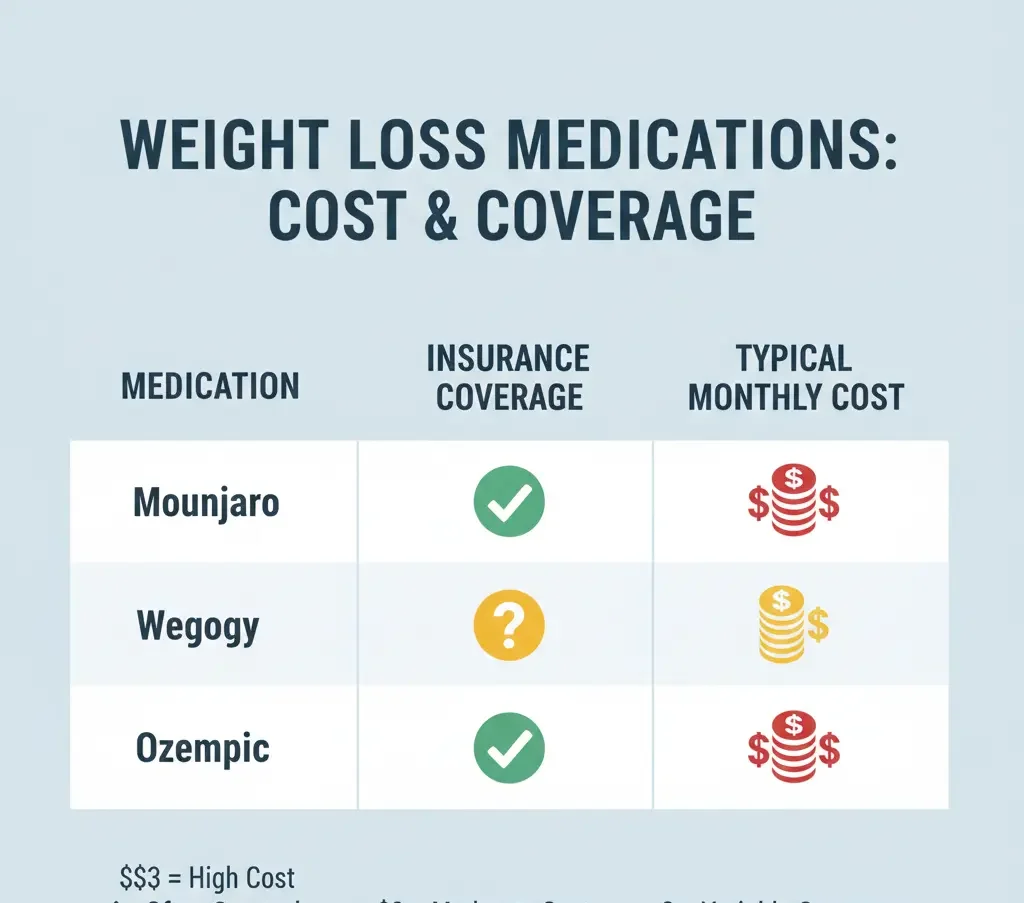
- Average Out-of-Pocket Price: Without insurance, Mounjaro can cost several hundred dollars per month. For many patients, the monthly cost ranges from $800 to $1,200. The exact price depends on the dose and how often you take it.
- Pharmacy Discount Options: Some pharmacies offer discount programs that reduce prices. You can ask your local pharmacy if they have savings plans or generic alternatives. These options can help reduce the cost, though Mounjaro does not yet have a generic version.
- Monthly Cost Comparison: Compared with other GLP-1 medications such as Wegovy or Ozempic, Mounjaro may be slightly more expensive. However, it can be more effective for some people, making it a valuable option. If coverage is denied, comparing monthly costs and looking at pharmacy discounts can help you choose the best path for your health and budget.
Being aware of the cost and available savings helps you plan treatment carefully. It also prepares you for possible out-of-pocket expenses if your insurance does not cover Mounjaro.
Alternatives If Mounjaro Is Not Covered
If Anthem Blue Cross does not cover Mounjaro for weight loss, there are still options to explore. Knowing alternatives can help you continue your treatment without paying full out-of-pocket costs.
Some GLP-1 medications, such as Wegovy and Ozempic, are FDA-approved for weight loss. These drugs are more likely to be covered by insurance plans. Your doctor can explain which option may work best for you based on your health needs and coverage rules.
Covered Weight Loss Drug Options
Depending on your plan, Anthem Blue Cross may cover additional weight-loss medications. These could include older drugs with proven results. Step therapy may require you to try these first before requesting Mounjaro.
If prescription coverage is unavailable, structured weight-loss programs can be helpful. These may include diet plans, nutrition counseling, and supervised exercise programs. Some insurance plans offer partial coverage for medically supervised programs.
Exploring alternatives helps ensure you can continue managing your weight safely and effectively. Discussing options with your doctor helps you find the right balance between effectiveness, safety, and cost. Being informed makes it easier to navigate insurance rules and plan your treatment without unnecessary stress.
Frequently Asked Questions About Anthem and Mounjaro
Here are some common questions people ask about Anthem Blue Cross and Mounjaro coverage. These answers are simple and easy to understand.
Is Mounjaro Covered for Prediabetes?
Most Anthem plans do not cover Mounjaro for prediabetes. Coverage usually applies only to type 2 diabetes. Your doctor can explain if any exceptions apply.
Can Coverage Change Later?
Yes. Insurance rules and formularies change each year. A drug that is not covered now may be added later. Always check your plan’s updated formulary list.
Will Anthem Cover Zepbound Instead?
Zepbound is a newer GLP-1 medication. Coverage depends on your specific plan. Some plans may cover Zepbound if Mounjaro is denied. Your doctor can guide you on alternatives.
What Steps Help Get Approval?
Prior authorization, detailed medical records, and proof of prior treatment attempts improve the likelihood of approval. Working closely with your doctor is essential.
Are There Savings Options If Coverage Is Denied?
Yes. Manufacturer coupons and pharmacy discount programs may help reduce out-of-pocket costs. These can make Mounjaro more affordable while you explore insurance options.
