

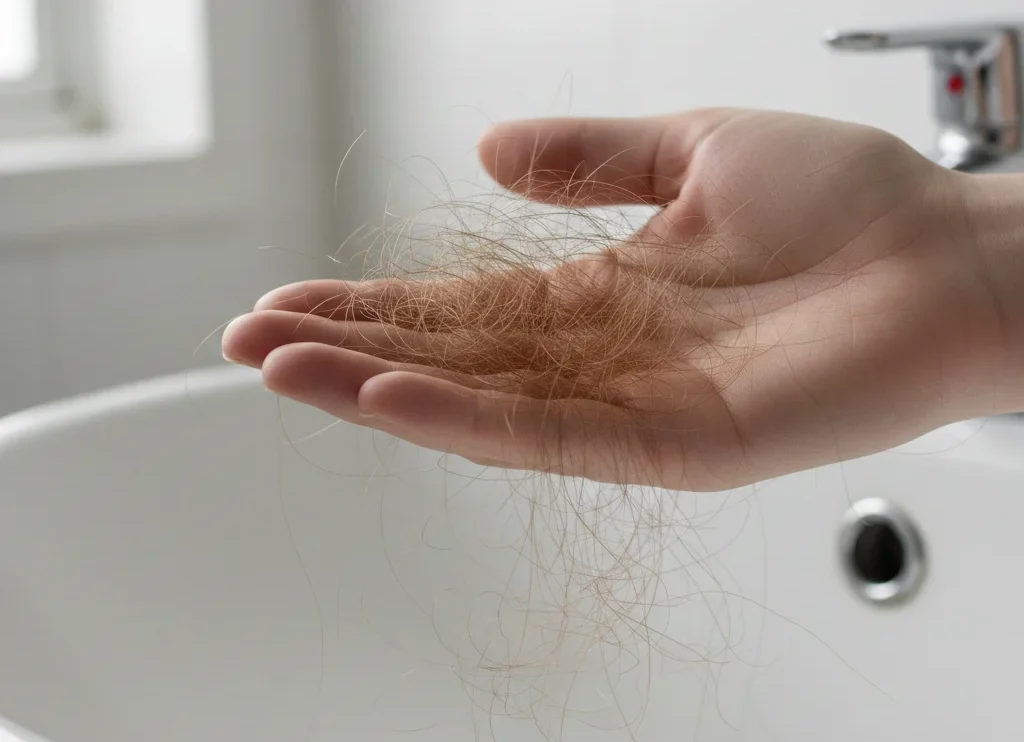
Does a keto diet cause hair loss? Yes, it can for some people. But in most cases, it is temporary. Many people see hair thinning on keto after a few months. This often happens when the body is under stress from rapid weight loss or significant diet changes. It is a common type of diet-related hair loss. Low protein or missing nutrients can also play a part.
The good news is that keto hair loss does not affect everyone. It often slows once the body adjusts. Knowing these ketogenic diet side effects helps you act early. Eat enough protein. Get key micronutrients. Avoid extreme calorie cuts. Small, steady steps support your health and help protect your hair while you stay on keto.
Does a Keto Diet Cause Hair Loss?
Many people worry when they see extra hair in the shower after starting keto. The truth is simple. A keto diet can lead to hair shedding for some people, but it is often temporary. In most cases, the real trigger is rapid weight loss, low-calorie intake, or missing nutrients, not the diet alone. This type of shedding is usually linked to a condition called telogen effluvium, where stress pushes hair into a resting phase. The good part? Hair often grows back once the body finds balance again.
What Really Happens Inside the Body
Hair follows a natural cycle. It grows, rests, and then falls so new hair can replace it. A significant stress, such as rapid weight loss, can disrupt this cycle and trigger a wave of shedding about two to four months later. This is known as telogen effluvium, and it is usually temporary.
When calories drop too low, the body saves energy for vital organs. Hair growth is not a top priority, so that follicles may pause growth for a while.
Common Reasons for Hair Thinning on Keto
1. Rapid weight loss
Losing weight quickly sends a stress signal to the body. This can shift more hairs into the shedding phase.
2. Low protein intake
Hair is made mainly of keratin, a protein. Too little protein can weaken strands and slow growth.
3. Nutrient deficiency
Poorly planned low-carb diets may lack iron, zinc, biotin, and other micronutrients needed for strong follicles.
Is Keto Hair Loss Permanent?
In most cases, no. This kind of diet-related hair loss tends to settle once the body adapts and nutrition improves. New hair usually grows back after the stress fades.
So if you notice sudden hair shedding, do not panic. Focus on a balanced keto plan, steady weight loss, and enough protein. Small changes can protect your hair and support long-term health.
Why Can Hair Loss Happen on a Keto Diet?
Hair loss on keto can feel scary, but it usually has clear reasons. In most cases, the diet itself is not the direct cause. Instead, the body reacts to stress, rapid weight loss, or nutrient deficiencies. These changes can push hair follicles into a resting phase, which leads to shedding a few months later. This condition is called telogen effluvium, and it is often temporary.
Rapid Weight Loss Can Shock the Body
Many people lose weight quickly when they start keto. When calories drop, the body may think food is scarce. It then moves energy toward vital organs and away from hair growth. This stress can trigger telogen effluvium about two to five months after significant weight loss begins.
Low Protein Intake Weakens Hair
Hair needs protein to grow because follicles rely on amino acids to produce keratin. If protein intake is too low, strands can thin, and growth may slow. Some people cut protein while trying to stay in ketosis, which can increase the risk of shedding.
Nutrient Deficiency Affects Follicle Health
Healthy hair depends on vitamins and minerals. Restricting food groups on a low-carb diet can limit nutrients that support hair health. Low levels of biotin, iron, and zinc are known to harm follicles and may lead to thinning hair.
Stress Disrupts the Hair Growth Cycle
A sudden shift in metabolism can interrupt the growth phase of hair and push follicles into early dormancy. This often causes shedding within two to three months of starting the diet.
The key thing to remember is that this type of diet-related hair loss rarely lasts forever. Once nutrition improves and the body adapts, new hair usually begins to grow again.
Is Keto Hair Loss Temporary or Permanent?
Seeing hair fall can feel upsetting. But here is the reassuring truth. In most cases, keto hair loss is temporary. It is often linked to telogen effluvium, a condition in which stress pushes hair into a resting phase before it sheds. Once the trigger improves, hair usually grows back. Many people notice recovery within a few months as the body adjusts and nutrition improves. Knowing this can help you stay calm and focus on healthy habits instead of panic.
How Long Does Keto Hair Loss Last?
Most cases of telogen effluvium last about three to six months. After this shedding phase, new hair growth often begins. Shedding usually starts two to three months after a trigger, such as rapid weight loss or nutrient gaps. For many people, the condition improves within six months, and visible regrowth may appear soon after.
When Will Hair Grow Back?
Yes, hair typically returns. Experts note that hair regrowth often begins once the body recovers from the stress that caused the shedding. However, patience matters. Hair grows slowly, so that full thickness may take six to twelve months, depending on the person and the cause.
Can Hair Loss Become Long-Term?
Long-term shedding is less common but possible. If the trigger continues, such as an ongoing nutrient deficiency or health issues, recovery may take longer. Acute telogen effluvium usually resolves on its own, while chronic cases can last beyond six months and may need medical attention.
A Simple Way to Think About It
Most diet-related hair loss is not permanent damage. Hair follicles stay alive, and the growth cycle often resets once your body feels safe again. Focus on steady weight loss, adequate protein, and proper micronutrient intake. Small improvements today can lead to stronger, healthier hair in the months ahead.
How to Prevent Hair Loss on a Keto Diet
The good news is that you can often prevent keto hair loss with a few smart habits. Hair needs steady nutrition, enough calories, and low stress to grow well. When the body feels safe, the hair growth cycle stays stable. Small changes in your daily routine can lower the risk of hair thinning on keto and support strong follicles over time.
Eat Enough Protein Every Day
Protein is vital for hair because it helps the body make keratin. Without enough protein, strands can grow weak and fall sooner. Try to include protein in every meal. Eggs, fish, chicken, tofu, and Greek yogurt are great options. A steady protein intake for hair growth helps protect against diet-related hair loss.
Focus on Nutrient-Dense Foods
Missing nutrients is a common cause of shedding. Your body needs iron, zinc, biotin, vitamin D, and other micronutrients for healthy follicles.
Add leafy greens, seeds, nuts, and healthy fats to your plate. These foods support follicle health and reduce the risk of nutrient-deficient hair loss.
Avoid Extreme Calorie Cuts
Fast weight loss may shock the body and trigger telogen effluvium. Slow and steady weight loss is much safer for your hair. Do not rush the process. A balanced keto diet gives your body enough fuel while still helping you lose weight.
Manage Stress and Sleep Well
High stress can lead to stress-related hair loss. Poor sleep can make it worse. Aim for 7–9 hours of sleep. Try light exercise, deep breathing, or quiet time to relax. When stress drops, hair often recovers faster.
Stay Consistent, Not Perfect
You do not need a flawless diet. You just need a sustainable one. Support your body, and it will support your hair. Over time, these simple steps can help prevent sudden hair shedding and keep your hair looking full and healthy.
Best Foods on Keto for Healthy Hair
Eating the right foods on keto can make a big difference for your hair. While the diet focuses on low carbs, it’s important to include nutrient-rich foods that support follicle health and prevent hair thinning on keto. The right balance of protein, healthy fats, and vitamins helps keep strands strong and encourages growth.

- Eggs: Eggs are a powerhouse for hair. They are rich in protein and biotin, both essential for strong hair. Biotin helps the body produce keratin, which makes hair thick and healthy. Eating eggs regularly can reduce diet-related hair loss and keep your strands shiny.
- Fatty Fish: Fatty fish like salmon, mackerel, and sardines are loaded with omega-3 fatty acids. These fats nourish the scalp and reduce inflammation, helping prevent stress-related hair loss. They also provide vitamin D, which supports healthy follicles.
- Avocados: Avocados are full of healthy fats and vitamin E. Vitamin E improves blood circulation to the scalp, supporting hair growth. Including avocados in your keto meals can strengthen hair and prevent brittleness.
- Nuts and Seeds: Almonds, walnuts, chia seeds, and flaxseeds offer zinc, biotin, and healthy fats. These nutrients are crucial for keratin production and overall hair strength. Snacking on nuts or adding seeds to meals is an easy way to protect your hair on a keto diet.
- Leafy Greens: Spinach, kale, and other dark greens are rich in iron, vitamin C, and folate. Iron deficiency can cause nutrient-deficient hair loss, so eating greens supports healthy follicles and reduces shedding.
Including these foods regularly can help you stay on keto while keeping your hair healthy, strong, and full. Small changes in your diet today can prevent sudden hair shedding tomorrow.
When to See a Doctor
Most hair loss on keto is temporary and improves with proper nutrition and care. However, sometimes hair shedding can signal a bigger problem. Knowing when to see a doctor helps you protect your hair and overall health.
Signs You Should Get Checked
- Hair loss lasting more than six months: If shedding continues beyond this time, it may indicate an underlying health issue.
- Patchy hair loss: Bald spots or uneven thinning may indicate conditions such as alopecia areata.
- Other symptoms, such as Fatigue, dizziness, brittle nails, or sudden weight changes, may indicate nutrient deficiencies or hormonal imbalances.
What Doctors Can Do
A healthcare professional can run simple tests to check for deficiencies in iron, zinc, vitamin D, or biotin. They can also evaluate hormonal changes or other medical conditions that might be contributing to hair loss.
Early Action Helps
The sooner you address ongoing hair shedding, the better your chances of preventing long-term damage. A doctor can guide you on supplements, dietary adjustments, or lifestyle changes to support healthy hair growth. Remember, while diet-related hair loss from keto is usually temporary, persistent or unusual hair loss should always be evaluated to ensure your hair and body stay healthy.
Keto Hair Loss vs Normal Shedding
It’s normal to lose some hair every day. On average, people shed 50–100 hairs daily, and this is part of the natural hair growth cycle. But when hair shedding increases significantly after starting keto, it can feel alarming. Understanding the difference between normal shedding and keto hair loss helps you stay calm and take the right steps.
What Normal Hair Shedding Looks Like
Normal shedding is gradual and evenly spread across the scalp. You may notice hair in the shower, on your pillow, or in your brush. This is a natural part of the hair growth cycle, where old hairs fall out to make room for new ones.
How Keto Hair Loss Is Different
Keto-related hair loss often appears suddenly, usually 2–4 months after starting the diet. Hair may come out in larger amounts during washing or brushing. This type of diet-related hair loss is usually linked to rapid weight loss, low protein intake, or nutrient deficiency.
Red Flags to Watch For
-
Hair coming out in clumps or patches
-
Hair is thinning faster than usual
-
Shedding that continues beyond six months
If you notice these signs, it’s worth reviewing your diet and speaking with a healthcare professional. Most keto hair loss is temporary, but recognizing it early helps you protect your hair and support regrowth.
Small changes in nutrition, stress management, and protein intake can make a big difference, helping you maintain healthy follicles and strong hair while following keto.
FAQs About Keto Hair Loss
Many people starting a keto diet have questions about hair shedding. Here are the most common concerns, explained simply. These answers can help you understand keto hair loss and take steps to protect your hair.
Does Everyone Lose Hair on Keto?
No. Not everyone experiences hair loss. Shedding usually happens when the body undergoes rapid weight loss, nutrient gaps, or low protein intake. Some people may not notice any hair changes at all.
How Long Does Keto Hair Loss Last?
Hair loss caused by keto is usually temporary. Most people see improvement within three to six months as the body adapts and nutrients are balanced. Full hair regrowth may take up to 12 months in some cases.
Will Hair Grow Back After Keto?
Yes. Hair follicles remain healthy, and new hair usually grows once the stress or nutrient deficiency is resolved. Focusing on protein, micronutrients, and steady weight loss supports regrowth.
Should I Stop Keto If My Hair Is Falling Out?
You don’t usually need to stop keto completely. Instead, review your diet to ensure you are getting enough protein, vitamins, and minerals. Slow down weight loss if it’s very rapid.
Can Supplements Stop Keto Hair Loss?
Supplements such as biotin, zinc, iron, and vitamin D can help if you are deficient. However, they work best when used alongside a balanced, nutrient-dense keto diet rather than replacing whole foods.
