

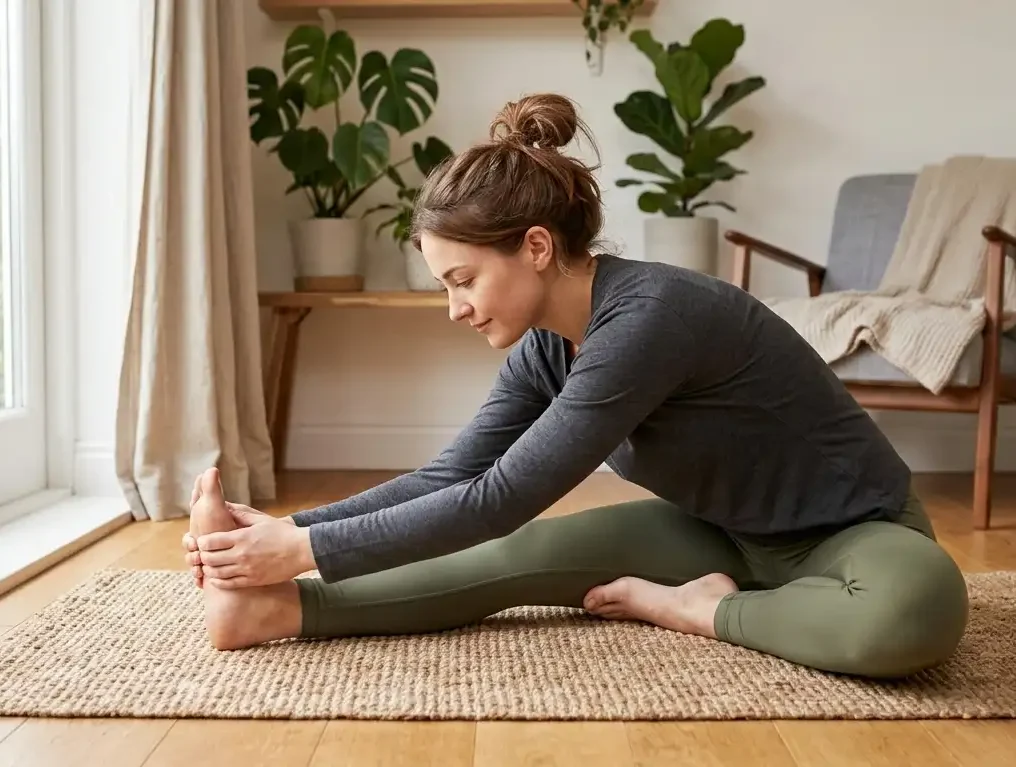
What are the best stretches to improve flexibility? The best stretches are simple moves like hamstring, hip flexor, shoulder, and spine stretches. These stretches help improve range of motion and reduce muscle stiffness. They also increase mobility and support smooth body movement.
Flexibility is not only for athletes. Tight muscles can limit joint flexibility and cause pain. A short daily stretching routine can reduce muscle tension and improve posture. It can also help with muscle recovery after a workout. You do not need any tools. Just a few minutes of static stretching at home can help a lot. Over time, your muscles feel loose. Your body feels light, calm, and free.
What Are the Best Stretches to Improve Flexibility?
The best stretches to improve flexibility are simple moves that target tight muscles and stiff joints. They focus on major muscle groups and help improve the range of motion. You do not need fancy tools. You just need time and steady effort. These stretching exercises increase mobility, support joint flexibility, and reduce muscle stiffness.
Hamstring Stretch
The hamstring stretch is one of the most helpful flexibility exercises. Tight hamstrings limit body movement and affect posture. Sit on the floor and extend one leg. Reach toward your toes slowly. Hold the stretch without bouncing. This static stretching move improves muscle flexibility and reduces tension in the back of your legs.
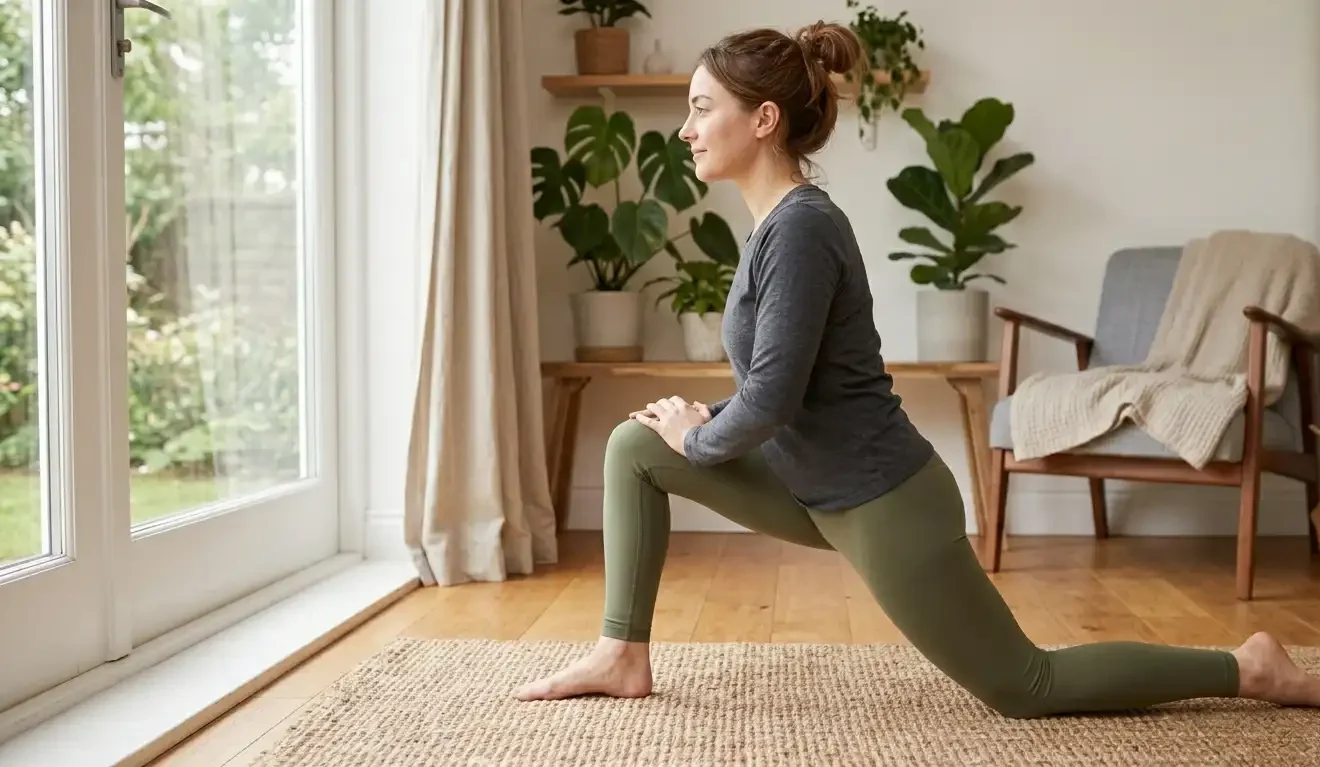
Tight hip flexors are common if you sit for long hours. A hip flexor stretch helps increase hip mobility. Step one foot forward into a lunge position. Keep your back straight. Gently press your hips forward. You will feel the stretch in the front of your hip. This improves joint flexibility and supports better balance.
Shoulder Stretch
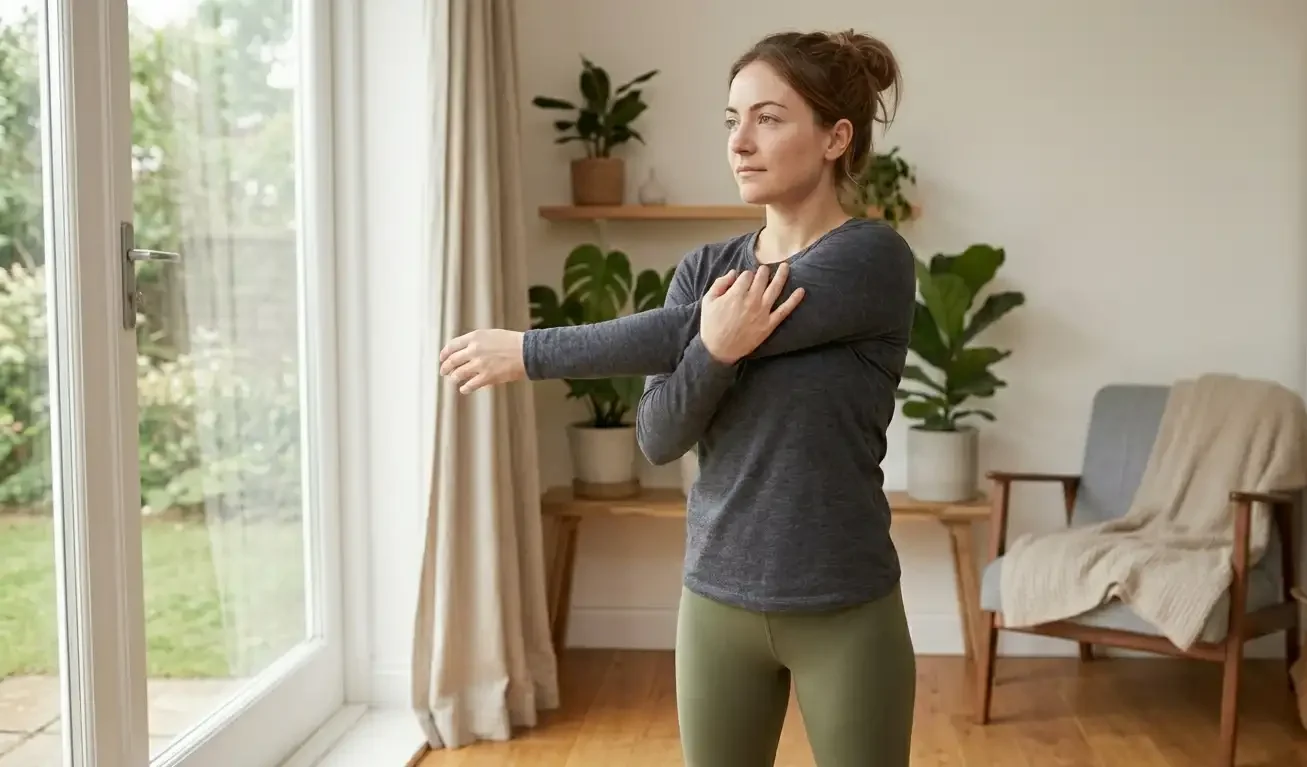
Shoulder stretches improve upper body mobility. They reduce muscle stiffness caused by poor posture. Bring one arm across your chest and hold it with the other arm. Keep your shoulders relaxed. This helps improve range of motion and reduce muscle tension.
This gentle spine-mobility exercise improves back flexibility. Move slowly between arching and rounding your spine. It supports muscle recovery and keeps your back loose and strong.
Why Flexibility Is Important for Your Body
Flexibility keeps your body moving with ease. It helps your muscles stretch, and your joints move freely. Good muscle flexibility supports smooth body movement. It also improves the range of motion and reduces muscle stiffness. Without joint flexibility, simple tasks can feel hard. A regular stretching routine keeps your body loose, balanced, and strong.
Reduces Muscle Tightness
Tight muscles can cause pain and limit movement. Stretching exercises help reduce muscle tension. They improve muscle elasticity and help your body feel relaxed. With less stiffness, daily activities become easier. You bend, walk, and lift with less strain.
Range of motion is how far your joints can move. Better joint flexibility allows smoother motion. It supports safe workouts and better sports performance. Static stretching and gentle mobility work help increase mobility over time. Small gains each day lead to steady progress.
Helps Prevent Injury
Poor flexibility can raise the risk of injury. Tight muscles pull on joints and cause stress. A proper warm-up and daily stretching routine prepare your body for movement. Flexible muscles absorb force better. This supports safer exercise and faster muscle recovery.
Muscle stiffness often leads to poor posture. Tight hips, shoulders, and back muscles pull the body out of line. Stretching keeps these areas loose. Good flexibility supports an upright posture and reduces strain on the spine.
Best Stretches to Improve Flexibility at Home
You can improve flexibility at home with simple stretching exercises. You do not need a gym. You only need a small space and a few minutes. These moves target tight muscles and stiff joints. They help improve the range of motion and increase mobility. Practice them as part of your daily stretching routine for steady results.
Tight hamstrings limit body movement and affect posture. Sit on the floor with one leg straight. Reach toward your toes slowly. Keep your back straight. Hold the stretch and breathe. This static stretching move improves muscle flexibility and reduces muscle stiffness.
Hip Flexor Stretch
Long hours of sitting tighten the hips. Step one foot forward into a lunge. Keep your chest up. Gently push your hips forward. You will feel the stretch in the front of your hip. This improves joint flexibility and supports better balance.
Stand tall and hold one ankle behind you. Keep your knees close together. This stretch targets the front of your thigh. It helps reduce muscle tension and supports smooth walking and running.
Shoulder Stretch
Bring one arm across your chest. Hold it with the other arm. Keep your shoulders relaxed. This move improves upper-body mobility and reduces stiffness caused by poor posture.
Kneel on the floor and sit back on your heels. Stretch your arms forward. This gentle move improves spine mobility and helps your body feel calm and loose.
Daily Stretching Routine for Beginners
A daily stretching routine helps improve flexibility step by step. You do not need long sessions. Ten to fifteen minutes is enough. Focus on major muscle groups like hamstrings, hips, shoulders, and back. This builds muscle flexibility and increases mobility over time. Stay consistent. Slow progress is still progress.
How Long to Hold Each Stretch
Hold each static stretching move for 20 to 30 seconds. Do not bounce. Bouncing can cause strain. Breathe slowly and relax into the stretch. This helps reduce muscle tension and improve muscle elasticity. If a stretch feels painful, ease up. Mild tension is fine. Sharp pain is not.
Stretch at least three to five days a week. Daily stretching gives faster results. Regular flexibility training improves range of motion and joint flexibility. Muscles respond well to steady practice. Skipping too many days can slow progress.
You can stretch in the morning or after a workout; it is often easier. Muscles are warm and ready. Warm muscles stretch better and reduce the risk of injury. A short cooldown with stretching exercises also helps with muscle recovery. Choose a time you can stick with. Consistency matters most.
Dynamic vs Static Stretching
Stretching can be done in two main ways: dynamic and static. Both help improve flexibility, but they work differently. Choosing the right type depends on your goal. Dynamic stretching warms up muscles and increases mobility before activity. Static stretching relaxes muscles and improves muscle elasticity after exercise. Including both in your routine gives the best results.
What Is Dynamic Stretching?
Dynamic stretching involves slow, controlled movements through a full range of motion. Examples include leg swings, arm circles, and torso twists. These stretches improve joint flexibility and prepare muscles for activity. They increase blood flow and reduce muscle stiffness before exercise.
Static stretching is holding a position for 20–30 seconds without movement. Examples include hamstring, shoulder, and hip flexor stretches. Static stretching helps reduce muscle tension andimproves muscle elasticity. It is best done after a workout or when muscles are warm.
Which One Is Better for Flexibility?
Both types are important. Dynamic stretching prepares muscles and joints, reducing the risk of injury. Static stretching improves overall muscle flexibility and range of motion. A balanced routine using both helps your body move smoothly, stay loose, and recover faster.
Common Stretching Mistakes to Avoid
Stretching is simple, but many people make mistakes that can reduce flexibility or cause injury. Avoiding these errors helps your muscles stay safe and improves results. Even a short daily stretching routine can be very effective if done correctly.
Bouncing During Stretches
Bouncing while stretching can strain muscles. This often happens when trying to reach too far too fast. Static stretching works best when you hold the position for a steady duration. Slow, controlled stretches safely reduce muscle stiffness and improve muscle elasticity.
Breathing is important during stretches. Holding your breath increases muscle tension. Breathe slowly and deeply. Exhaling while holding the stretch helps relax muscles and increase the range of motion.
Skipping Warm-Up
Stretching cold muscles can cause strain. Do a light warm-up, such as marching in place or arm circles, before stretching. Warm muscles respond better, reduce the risk of injury, and support better joint flexibility.
Pushing too far can damage muscles or joints. Stretch until you feel mild tension, not pain. Flexibility improves gradually. Overstretching can slow progress and increase soreness. Listening to your body is key to safe stretching and long-term flexibility.
How Long Does It Take to Improve Flexibility?
Improving flexibility takes time and consistent effort. You will not see big changes in just one day. With a short daily stretching routine, most people notice small improvements in 2–3 weeks. Major gains in muscle flexibility and joint mobility usually happen in 6–8 weeks. Patience is important.
Factors That Affect Results
Several things influence how fast flexibility improves. Age, muscle stiffness, and daily activity levels all play a role. People who exercise regularly may see faster progress. Tight muscles from sitting all day may take longer to loosen. Consistency matters more than intensity.
Stretch daily, or at least 3 to 5 times a week. Focus on major muscles like hamstrings, hips, back, and shoulders. Hold each stretch for 20–30 seconds. Combine static stretches with dynamic stretching for the best results. Stay relaxed and breathe deeply. Over time, muscles become more elastic, joints move more freely, and your body feels lighter and more comfortable.
Flexibility develops gradually. Avoid comparing yourself to others. Celebrate small improvements, like reaching slightly further or feeling less tight. Regular stretching improves posture, reduces muscle stiffness, and safely improves overall mobility.
Final Thoughts on Improving Flexibility
Improving flexibility is simple but requires daily effort. Short stretching sessions, even just ten to fifteen minutes, can help muscles stay loose and joints move freely. Regular stretching reduces muscle stiffness, improves range of motion, and supports better posture.
Focus on the major muscles: hamstrings, hips, shoulders, and back. Use both static and dynamic stretches. Dynamic stretches warm up muscles before activity, while static stretches help muscles relax afterward. Breathe deeply and never force a stretch. Mild tension is normal, but sharp pain is not.
Consistency is key. Small, steady improvements over time lead to big results. With regular practice, your body will feel lighter, more relaxed, and able to move smoothly and comfortably every day.
