

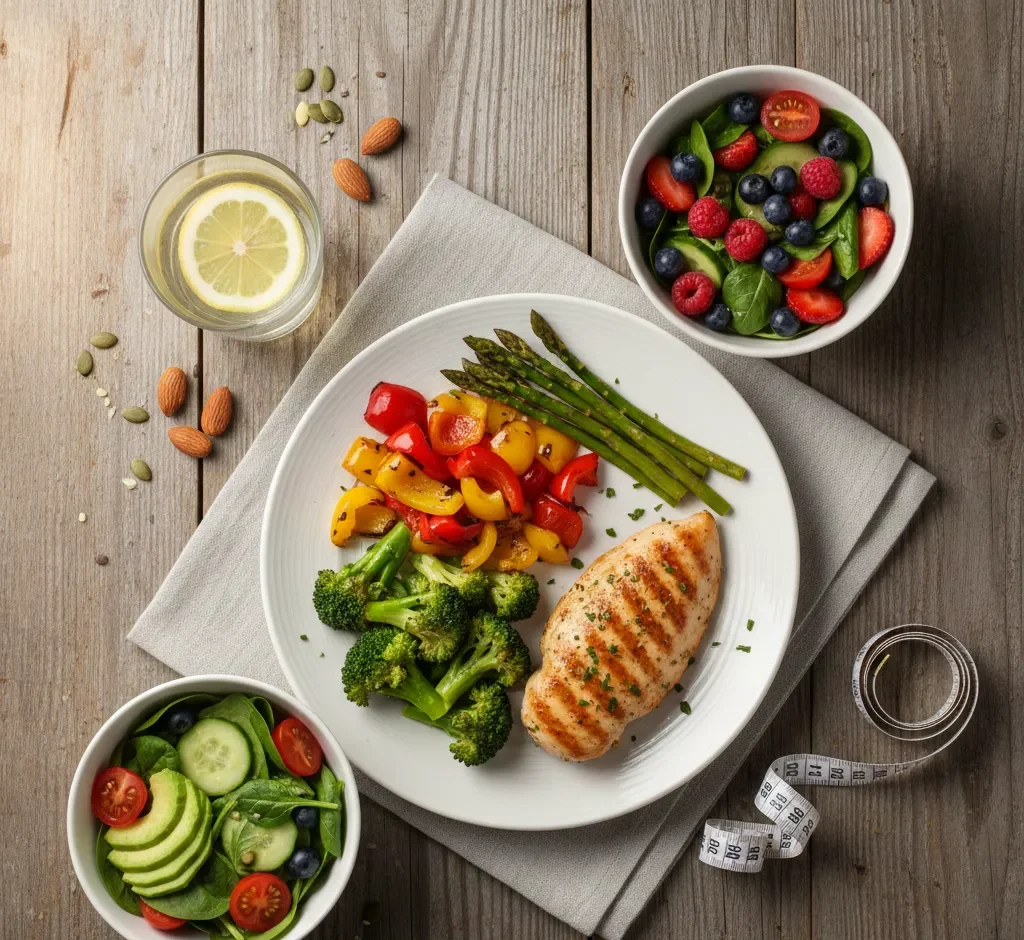
When it comes to the best diet for fast weight loss, the right plan works safely and effectively. The best diet is not about skipping meals or extreme rules. It focuses on fat-burning foods, lean proteins, fiber-rich vegetables, and healthy fats. Avoid sugary drinks and processed snacks. Combining this with daily activity and easy exercise routines helps your body burn fat faster. .
Simple habits like meal timing and balanced nutrition make a big difference. In this guide, you will learn practical tips, safe diet plans, and ways to improve body composition. Following these steps can help you achieve rapid weight loss and maintain results over time.
Understanding Weight Loss Basics
Before choosing the best diet, it’s essential to understand how weight loss works. Your body loses weight when it burns more calories than it takes in. This is called a calorie deficit. Fat-burning foods, balanced meals, and proper nutrition help your body use stored fat for energy. Exercise and daily activity accelerate this process. Knowing the role of macronutrients, metabolism, and healthy habits is key to safe, effective weight loss.
Calorie Deficit and Metabolism
A calorie deficit means eating fewer calories than your body needs. This forces your body to use stored fat for energy. Metabolism controls how quickly calories are burned. People with higher metabolisms burn fat more quickly. Eating lean proteins, fiber-rich vegetables, and healthy fats supports metabolism and keeps you full. Avoiding processed foods and sugary drinks prevents extra calorie intake.
Role of Macronutrients
Macronutrients are protein, fat, and carbohydrates. Each has a role in weight loss. Protein helps build muscle and keeps you full longer. Healthy fats, such as those found in avocado and nuts, provide energy and support fat burning. Carbs give fuel, but should come from whole grains and vegetables. Balanced meals with appropriate macronutrient ratios help your body burn fat efficiently and maintain energy for exercise routines and daily activities.
Popular Diets for Fast Weight Loss
Many people wonder which diet works best for fast weight loss. The truth is, the most effective diets focus on a calorie deficit, fat-burning foods, and balanced nutrition. Different approaches suit different lifestyles. Choosing a diet you can follow consistently is key. Here are some popular diets that help many people lose weight quickly and safely.
Low-Carb Diets (Keto, Atkins)
Low-carb diets reduce carbohydrate intake and increase fat and protein intake. This helps the body enter fat-burning mode, called ketosis. Foods like eggs, meat, fish, and low-carb vegetables are staples. These diets often lead to rapid weight loss, especially in the first few weeks, while helping reduce hunger and cravings.
Intermittent Fasting
Intermittent fasting focuses on when you eat rather than what you eat. Standard methods include fasting for 16 hours and eating during an 8-hour window. This approach helps control calorie intake, improve metabolism, and support improvements in body composition. Many people find it simple to follow and practical for rapid fat loss.
High-Protein Diets
A diet rich in protein supports muscle building, keeps you full longer, and boosts metabolism. Foods like chicken, fish, beans, and dairy are common. Combining high-protein meals with exercise routines helps preserve muscle while burning fat. This diet also helps slim the waist and improve overall energy levels during weight loss.
Foods to Include for Faster Results
Choosing the right foods can make weight loss faster and easier. Eating nutrient-dense, filling foods helps control hunger and supports efficient fat burning. Combining lean proteins, fiber-rich vegetables, and healthy fats supports metabolism and promotes rapid fat loss. Avoiding processed and sugary foods ensures your efforts are not slowed. Here are the key foods to include for faster results.
Lean Proteins and Healthy Fats
Lean proteins such as chicken, fish, eggs, and tofu help build and maintain muscle while keeping you fuller for longer. Healthy fats, such as those found in avocado, nuts, olive oil, and seeds, provide energy and support fat-burning processes. Including these foods in your meals helps prevent overeating, stabilize blood sugar, and improve body composition during weight loss. Combining protein and healthy fats also helps your body stay energized for exercise routines and daily activity.
Fiber-Rich Fruits and Vegetables
Fiber-rich foods like broccoli, spinach, berries, and apples help you feel full with fewer calories. They slow digestion, regulate blood sugar, and support healthy digestion. Vegetables and fruits are packed with vitamins and minerals that help your metabolism run smoothly. Eating plenty of fiber-rich vegetables and fruits promotes rapid weight loss and makes it easier to maintain a calorie deficit without feeling hungry.
Lifestyle Habits to Boost Diet Effectiveness
Even the best diet works better when paired with healthy lifestyle habits. Small daily changes can accelerate weight loss, improve body composition, and maintain high energy. Good sleep, stress management, and regular activity all play a role. These habits support metabolism and help you stay on track with your plan for rapid fat loss.
Exercise and Daily Activity
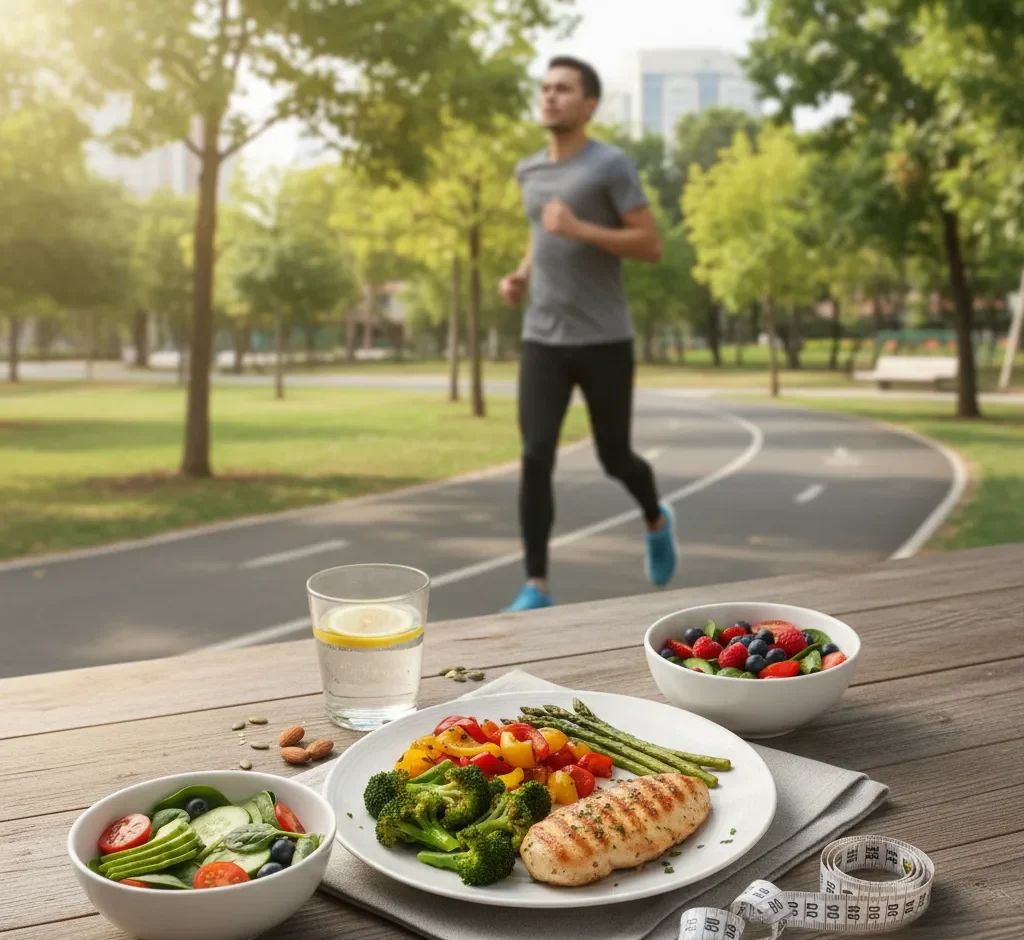
Regular exercise routines help burn calories and preserve muscle while losing fat. Cardio exercises, like walking, running, or cycling, increase calorie burn. Strength training builds lean muscle, which boosts metabolism. Even small daily activities, like taking the stairs or walking more, contribute to fat-burning processes. Combining exercise with a healthy diet helps reduce waist circumference and improve overall energy levels.
Sleep and Stress Management
Poor sleep and high stress can slow weight loss by raising cortisol, a hormone that promotes fat storage, especially around the waist. Getting 7–9 hours of quality sleep and practicing stress-reducing habits, such as meditation, deep breathing, or light exercise, helps your body burn fat more efficiently. Supporting recovery and reducing stress improves body composition and makes it easier to maintain a calorie deficit without cravings.
Tracking Progress and Staying Consistent
Tracking your progress is key to fast weight loss. It helps you see what works, adjust your plan, and stay motivated. Consistency in diet, exercise, and daily habits ensures lasting results. Small changes over time add up, and monitoring your progress makes it easier to maintain a calorie deficit and improve body composition.
Measuring Results Beyond the Scale
The scale does not tell the whole story. Measure your waist size, how your clothes fit, or take progress photos. These methods demonstrate changes in fat loss, muscle gain, and overall body composition. Tracking inches lost and visual changes can motivate you more than just numbers on a scale.
Using Journals or Apps
Recording meals, exercise, and daily activities can help you spot patterns and stay accountable. Apps can track calories, workouts, and sleep, making it easier to maintain a calorie deficit and follow your exercise routines. Consistently logging progress encourages good habits, supports rapid fat loss, and helps you stay on track even when motivation dips.
Common Mistakes to Avoid on a Fast Weight Loss Diet
Many people try to lose weight quickly but make mistakes that slow progress or harm their health. Avoiding these common errors helps you stay on track with your plan. Minor adjustments in diet and lifestyle prevent setbacks and make rapid fat loss more effective. Understanding what to avoid is just as important as knowing what to eat.
Extreme Calorie Restriction
Eating too few calories is a quick fix, but it can slow your metabolism and reduce energy. Extreme diets often lead to muscle loss instead of fat loss. Instead, aim for a moderate calorie deficit and focus on fat-burning foods like lean proteins, fiber-rich vegetables, and healthy fats. This approach preserves muscle and supports improvements in body composition.
Skipping Meals or Unbalanced Diets
Skipping meals can increase hunger and cravings, making it harder to maintain a calorie deficit. Unbalanced diets that lack protein, fiber, or healthy fats can leave you tired and hungry. Consistently eating balanced meals and snacks supports exercise routines, boosts metabolism, and promotes safe, rapid weight loss. Avoid processed foods and sugary drinks to get the best results.
Conclusion
The best diet for fast weight loss combines a calorie deficit, fat-burning foods, and balanced meals. Pairing this with regular exercise routines, daily activity, and good lifestyle habits like sleep and stress management improves body composition and energy levels. Avoid extreme diets, skipped meals, and processed foods to see safe, lasting results. Tracking progress, using journals or apps, and staying consistent help maintain motivation. By following these strategies, you can achieve rapid weight loss, improve your health, and create habits that support long-term success.
FAQs
What is the fastest diet for weight loss?
The fastest diets typically emphasize a calorie deficit, high protein, and low processed carbs. Popular options include low-carb diets, intermittent fasting, and high-protein meal plans. Pairing these with regular exercise routines helps achieve rapid, safe fat loss.
Can I lose weight without exercising?
Yes, diet alone can create a calorie deficit for weight loss. However, combining diet with exercise preserves muscle, increases metabolism, and improves body composition. Daily activity also supports long-term results.
How many calories should I eat to lose weight fast?
A moderate calorie deficit is most effective for safe fat loss. Eating too few calories may slow metabolism and cause muscle loss. Focus on fat-burning foods, lean proteins, and fiber-rich vegetables while staying consistent.
Are fad diets safe for rapid weight loss?
Extreme or fad diets may give quick results, but can be unhealthy and unsustainable. Safe, rapid weight loss comes from balanced meals, consistent exercise routines, and healthy lifestyle habits, rather than extreme restrictions.
How long will it take to see results?
Results vary based on diet, activity, and metabolism. With a proper plan, many people notice changes in body composition and waist size within 2–4 weeks. Tracking progress helps stay motivated and adjust the plan for faster results.
