

How to build a nervous system is a question many people have when they want stronger brain function and healthier nerves. The nervous system controls every movement, thought, and sensation in the body. Supporting it with proper nutrition, exercise, and lifestyle habits can improve coordination, reflexes, and overall neurological health.
Eating foods rich in vitamins and minerals, practicing cognitive and physical exercises, managing stress, and getting enough sleep all contribute to a strong nervous system. Understanding neural pathways, supporting nerve regeneration, and preventing neurological disorders are essential steps. By learning to care for your nervous system, you can boost brain function, maintain healthy neurons, and improve long-term performance of your body and mind.
Understanding the Nervous System
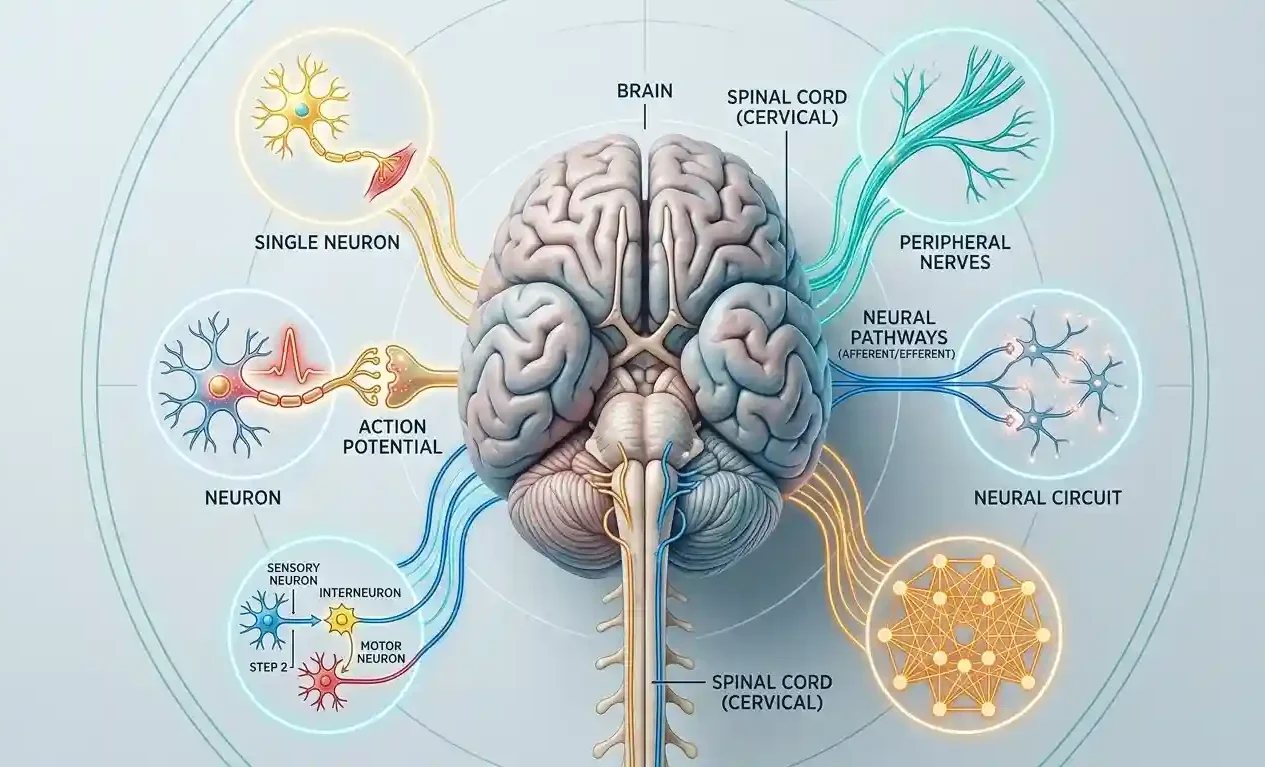
The nervous system is your body’s communication network. It sends messages between your brain, spinal cord, and the rest of your body. A strong nervous system keeps you alert, improves coordination, and allows your body to react quickly. Understanding its structure helps you know how to support it.
What is the Nervous System?
The nervous system is made up of billions of nerve cells called neurons. These neurons send electrical signals that control every function in your body, from moving your muscles to feeling sensations. A healthy nervous system allows your brain to process information efficiently and helps your body respond to the environment.
Components of the Nervous System
There are two main parts: the central nervous system (CNS) and the peripheral nervous system (PNS). The CNS includes the brain and spinal cord, which process information and make decisions. The PNS connects the CNS to the rest of your body through nerves, carrying messages to and from muscles, organs, and skin.
How Neural Pathways Work
Neural pathways are the routes that nerve signals travel. Strengthening these pathways through exercises, proper nutrition, and mental stimulation improves nerve function and cognitive ability. Healthy neurons and clear communication between the CNS and PNS are crucial for reflexes, balance, and overall neurological wellness.
By understanding the nervous system and how it works, you can take better care of your nerves, support brain function, and improve your body’s coordination and responsiveness naturally.
Importance of a Strong Nervous System
A strong nervous system is essential for your overall health. It controls how your body moves, reacts, and thinks. When your nerves and neurons are healthy, your brain works better, your reflexes improve, and your body communicates efficiently. Supporting it helps you stay alert, coordinated, and mentally sharp.
Benefits for Brain Function
A well-functioning nervous system enhances memory, focus, and learning ability. Healthy neurons and clear neural pathways enable your brain to process information more quickly. This helps with decision-making, problem-solving, and maintaining mental clarity throughout the day.
The nervous system manages muscle movement and reflexes. Strong nerve function improves balance, agility, and reaction time. It also helps your body respond quickly to sudden changes or dangers, keeping you safer in daily activities.
Impact on Overall Health
A robust nervous system supports proper organ function, efficient blood flow, and hormone regulation. It reduces the risk of neurological issues and improves your energy levels. When your nerves are healthy, your body and mind work in harmony.
Taking steps to strengthen your nervous system through nutrition, exercise, and healthy habits can make a big difference in how you feel and function every day.
Nutrition to Support Nervous System Health
What you eat plays a huge role in how well your nervous system works. Proper nutrition provides essential vitamins, minerals, and healthy fats that support nerve function, neuron health, and brain communication. Eating the right foods strengthens neural pathways, promotes nerve regeneration, and improves overall neurological wellness.
v
Essential Vitamins and Minerals
Certain nutrients are vital for your nervous system. Vitamin B12 helps maintain healthy neurons and prevent nerve damage. Vitamin B6 supports neurotransmitter production, which aids in brain communication. Magnesium helps relax muscles and nerves, while Omega-3 fatty acids improve neuron function and reduce inflammation. Zinc and antioxidants protect your nerves from damage caused by free radicals.
Foods That Promote Nerve Health
To build a strong nervous system, include leafy greens, nuts, seeds, fish, eggs, and whole grains in your diet. Foods such as salmon, walnuts, and flaxseed provide omega-3 fatty acids. Leafy greens and legumes offer B vitamins, while berries and citrus fruits supply antioxidants. Avoid processed foods, excess sugar, and trans fats, as they can harm nerve health and slow neural function.
How Nutrition Supports Neural Pathways
Proper nutrition ensures clear, rapid communication among the brain, spinal cord, and peripheral nerves. Healthy neurons respond better, reflexes improve, and overall cognitive function is enhanced. When combined with exercise and lifestyle habits, a nutrient-rich diet forms the foundation for a strong, well-functioning nervous system.
Exercises to Strengthen the Nervous System
Regular exercise not only improves muscle strength and stamina but also helps your nervous system stay strong. Physical activity stimulates neural pathways, encourages nerve regeneration, and enhances brain communication. Both body and mind benefit when you move in ways that challenge coordination, balance, and focus.
Physical Exercises That Stimulate Nerves
Activities like walking, swimming, yoga, and strength training engage multiple muscles and require your nerves to coordinate movement. Balance exercises, such as standing on one leg or using a stability ball, improve reflexes and proprioception, the body’s awareness of position in space. Even light stretching and resistance exercises help neurons communicate better with muscles.
Brain and Cognitive Exercises
Your nervous system also thrives on mental stimulation. Puzzles, memory games, learning new skills, or even practicing hand-eye coordination exercises enhance cognitive function. These activities strengthen neural pathways and promote neuroplasticity, the brain’s ability to adapt and reorganize itself.
How Exercise Boosts Overall Nervous System Health
Combining physical and cognitive exercises improves reaction time, coordination, and mental clarity. Regular activity increases blood flow to the brain, supplying oxygen and nutrients that support nerve health. Over time, regular exercise reduces the risk of neurological disorders and keeps your nervous system responsive, agile, and resilient.
Lifestyle Habits for a Healthy Nervous System
Taking care of your nervous system goes beyond food and exercise. Daily habits like sleep, stress management, and avoiding harmful substances play a big role in keeping your nerves and brain healthy. Consistent routines help your body and mind communicate better and stay balanced.
Stress Management and Sleep
Chronic stress can harm neurons and slow nerve function. Practices such as meditation, deep breathing, and spending time in nature reduce stress and support brain health. Sleep is equally important—during rest, your nervous system repairs itself, strengthens neural pathways, and clears toxins from the brain. Adults should aim for 7–9 hours of quality sleep each night.
Avoiding Toxins and Harmful Habits
Smoking, excessive alcohol, and recreational drugs damage nerve cells and slow brain communication. Limiting exposure to these toxins protects neurons and preserves reflexes, coordination, and cognitive function. Maintaining a clean environment, staying hydrated, and avoiding processed foods further support overall nervous system health.
Building Healthy Daily Routines
Simple daily routines like walking, stretching, journaling, or practicing mindfulness can strengthen your nervous system over time. Consistency matters; small, positive habits combined with good nutrition and exercise create a strong, resilient nervous system that improves both mental and physical performance.
Common Nervous System Disorders and Prevention Tips
Your nervous system can face problems if neurons and nerves are not well cared for. Common disorders include neuropathy, multiple sclerosis, Parkinson’s disease, and other neurological conditions. Early prevention through nutrition, exercise, and healthy habits can reduce the risk and keep your nervous system strong.

Early Warning Signs
Watch for symptoms like numbness, tingling, muscle weakness, poor coordination, frequent headaches, or memory problems. These signs may indicate that your nervous system needs attention. Recognizing them early allows you to take steps before conditions worsen.
Maintaining a balanced diet rich in vitamins and minerals, staying physically active, and engaging in cognitive exercises strengthen neural pathways. Avoid smoking, excessive alcohol, and processed foods, which can damage neurons. Regular sleep and stress management help the nervous system repair and maintain itself naturally.
Supporting Long-Term Health
Combining healthy nutrition, regular exercise, and positive lifestyle habits creates a foundation for neurological wellness. A proactive approach improves reflexes, cognitive function, and body coordination while reducing the chances of nerve-related disorders. Taking small, consistent steps ensures your nervous system stays resilient throughout life.
Conclusion
Building a strong nervous system is essential for overall health, coordination, and mental clarity. By focusing on proper nutrition, you provide your nerves with essential vitamins, minerals, and healthy fats that support neuron function and brain communication. Regular physical and cognitive exercises strengthen neural pathways, improve reflexes, and enhance cognitive abilities. Healthy lifestyle habits such as stress management, adequate sleep, and avoidance of toxins protect your nervous system from damage and keep it resilient.
Understanding the nervous system and taking consistent steps to support it helps prevent disorders, improve coordination, and boost energy levels. With proper care, your brain and nerves can function efficiently, allowing you to live an active, alert, and healthy life.
