

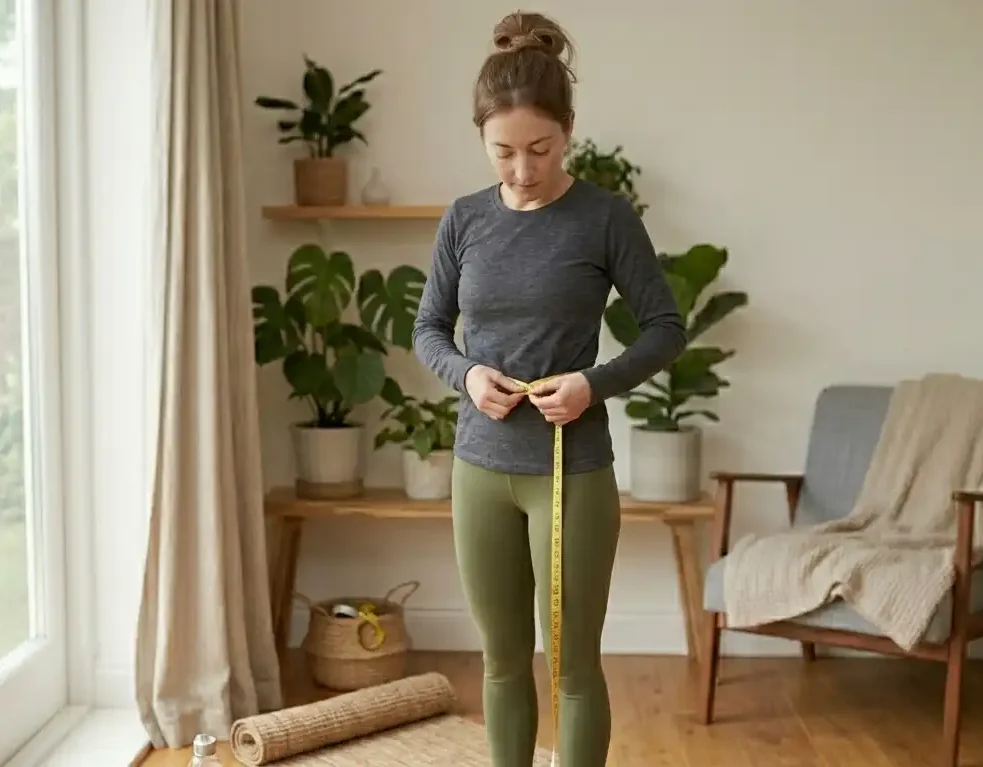
How to track fitness progress without a gym is easier than many people think. You can measure your results at home using simple tools like body measurements, progress photos, and workout logs. Tracking fitness results this way helps you see real changes in strength, endurance, and muscle tone without stepping into a gym.
Monitoring your workouts and daily activity also keeps you motivated. Wearable devices, fitness apps, and even how your clothes fit can show small improvements over time. Consistency matters more than intensity. By keeping a record of your exercise routines and body changes, you can avoid plateaus and make steady progress. Home tracking makes fitness achievable, visible, and rewarding for everyone.
Why Tracking Fitness Progress Matters
Tracking fitness progress without a gym is key to staying motivated and seeing real results. It helps you understand how your body changes over time. When you monitor workout performance, measure body changes, or log your exercises, you can notice improvements you might otherwise miss. Tracking also prevents plateaus and helps you stay consistent. By keeping a record of your daily activity, you can plan your workouts better and focus on areas that need improvement. This makes your fitness journey more effective, safe, and rewarding.
Understand Your Starting Point
Knowing where you begin is important. Take initial body measurements, such as waist, hips, arms, and legs. You can also take progress photos to compare changes over time. This gives a clear picture of your starting point and helps set realistic goals.
Seeing small improvements keeps you motivated. Recording your progress in a fitness journal or using a workout log shows that your efforts are working. Tracking daily activity, even steps or home workouts, reinforces healthy habits.
Avoiding Plateaus
Without tracking, it’s easy to repeat the same exercises without improvement. Monitoring workout intensity, duration, and reps helps you adjust routines. This keeps your body challenged, supports strength development, and boosts endurance.
Tracking fitness progress at home is simple and effective. With consistent effort, you can see real changes, stay motivated, and reach your goals safely, all without a gym.
Methods to Track Fitness Progress Without a Gym
Tracking fitness progress without a gym is easier than most people think. You can use simple tools and habits at home to monitor workout performance, measure body changes, and see real results. These methods help you stay consistent, track strength gains, and improve overall fitness. You do not need fancy equipment; just a few minutes each day and some basic tools can make a big difference.
Body Measurements
Using a tape measure, regularly track your waist, hips, arms, and legs. Weekly measurements of body changes show progress in muscle tone and fat loss. It’s a simple way to monitor body composition and see how your muscles respond to workouts.
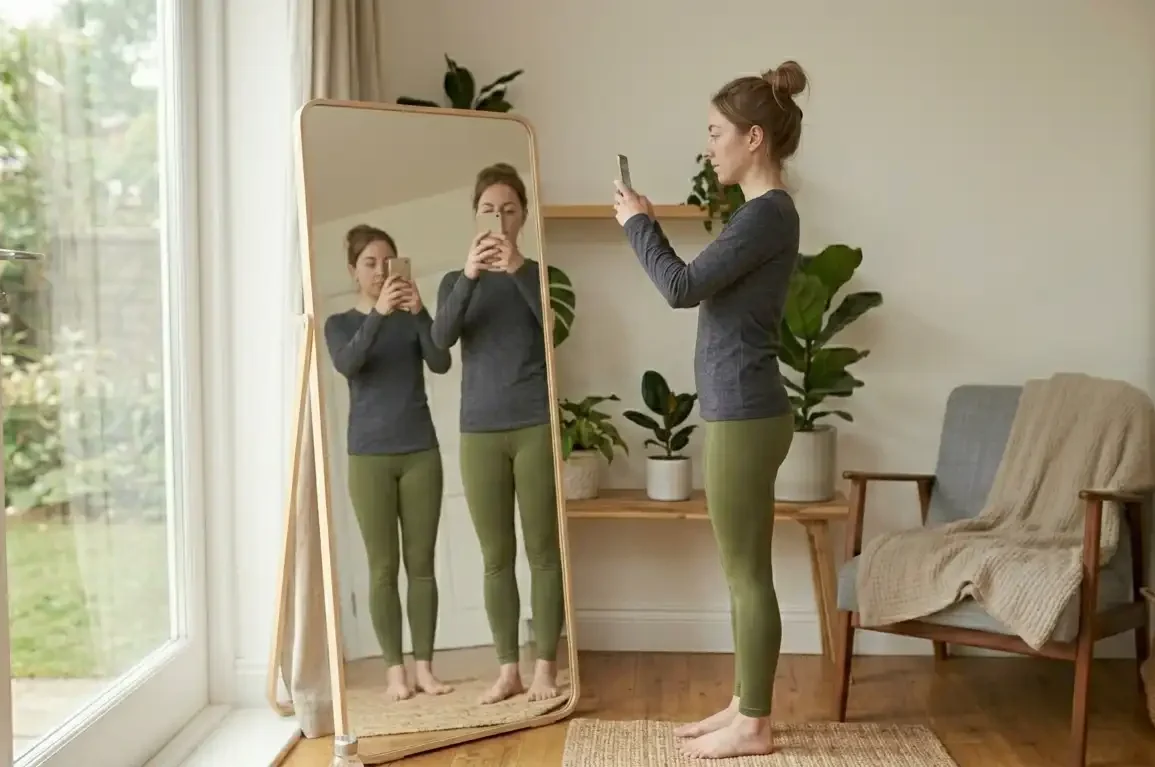
Taking before-and-after photos helps you notice visible changes that numbers alone might miss. Stand in consistent lighting and take photos from the same angles. Comparing them over time keeps you motivated and shows improvements in muscle definition, posture, and overall fitness.
Fitness Journals and Workout Logs
Writing down your exercises, sets, reps, and duration helps track intensity and improvements. Logging workouts shows how much stronger or fitter you are getting. It also helps you plan future routines and avoid repeating the same exercises without progress.
Step counters, heart rate monitors, and fitness apps track daily activity and calories burned. These tools give real-time feedback and make tracking progress easy, even at home. They also support better endurance, stamina, and overall body movement.
Notice how your clothes feel. Tighter or looser fit can indicate muscle gains or fat loss. Track improvements in flexibility, endurance, and strength through daily movements, like climbing stairs or performing home workouts.
Signs You’re Making Progress
Tracking fitness progress without a gym is not just about numbers. Your body gives clear signals when you are improving. Noticing these signs helps you stay motivated and confirms that your efforts are working. Small changes in strength, endurance, and flexibility are important indicators of success.
You may notice that daily tasks feel easier. Climbing stairs, carrying groceries, or doing home workouts requires less effort. Tracking your exercises in a fitness journal shows improvements in reps, sets, or duration. These are clear signs of strength gains and better endurance.
Better Sleep and Energy
Regular exercise and tracking progress often improve sleep quality. You may also feel more energetic during the day. Monitoring daily activity and calories burned can help you see patterns that boost energy and overall well-being.
Even without a scale, you can see differences. Clothes may fit differently, and progress photos reveal muscle definition or fat loss. Body measurements show changes in waist, hips, and arms. These signs confirm that your home workouts and stretching routines are effective.
Improved Performance in Daily Life
Flexibility, balance, and stamina improve over time. Tasks that used to feel tiring become easier. Tracking these changes helps you recognize progress without relying on gym equipment or machines.
By paying attention to these signs, you can confidently track your fitness improvements and stay motivated on your home fitness journey.
Common Mistakes to Avoid
Tracking fitness progress without a gym is simple, but many people make mistakes that slow results or create frustration. Avoiding these errors helps you stay consistent and see real improvements in strength, endurance, and muscle tone.
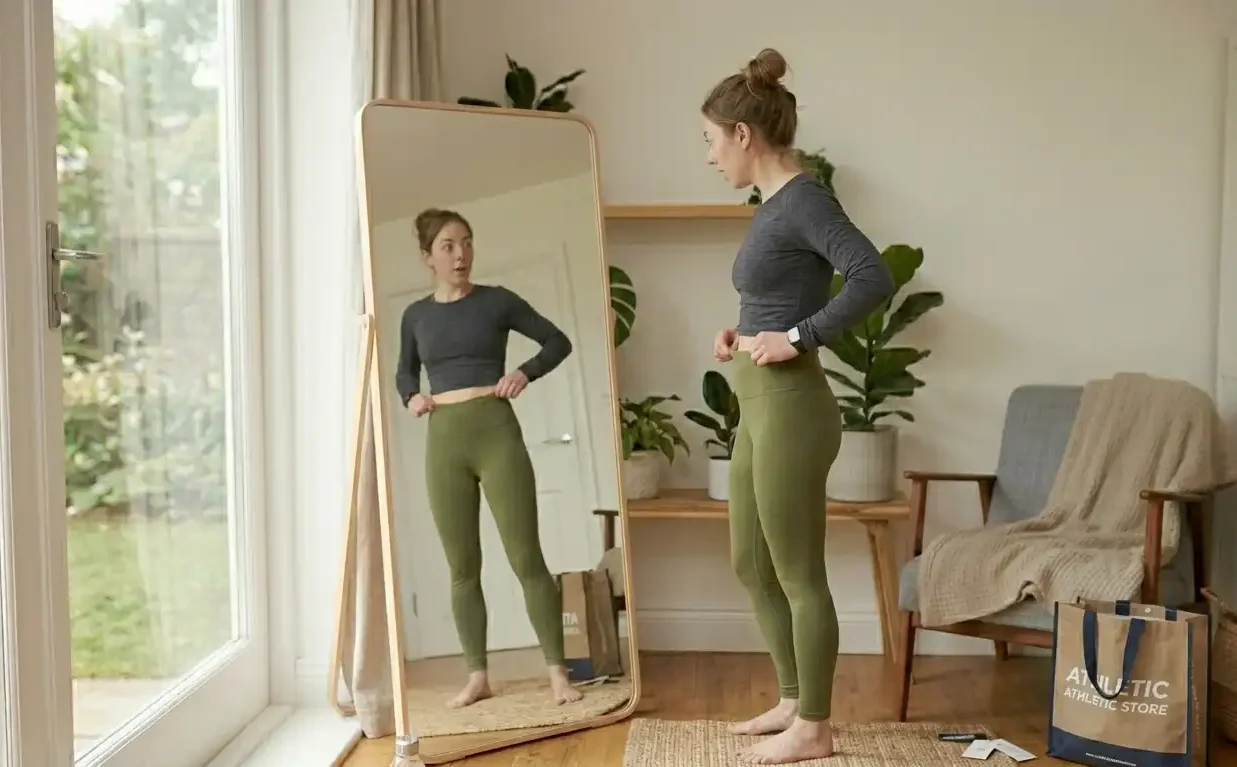
- Focusing Only on Weight: Many people track only weight, but it doesn’t show the full picture. Muscle growth, fat loss, and improved posture may not reflect on the scale. Using body measurements, progress photos, and fitness logs gives a clearer view of your progress.
- Inconsistent Tracking: Skipping days or forgetting to log workouts can hide progress. Tracking consistently, even small daily activities, helps you see patterns and improvements over time. Consistency matters more than intensity for long-term results.
- Comparing Yourself to Others: Everyone’s fitness journey is different. Comparing your progress to that of friends or on social media can be discouraging. Focus on your own improvements by using your fitness journal, body measurements, or photos as benchmarks.
- Ignoring Small Improvements: Small gains in endurance, flexibility, or strength are important. Ignoring them can reduce motivation. Celebrate minor improvements, like increased reps, better balance, or looser clothing.
Avoiding these mistakes makes tracking progress easier, safer, and more effective. It ensures your home fitness journey is steady, rewarding, and sustainable.
Tips to Stay Consistent and Motivated
Staying consistent is the key to tracking fitness progress without a gym. Regular effort helps you see real results in strength, endurance, and body composition. Even short home workouts or simple tracking routines can make a big difference if done consistently.
Start with small, achievable goals. Focus on improving strength, endurance, or flexibility step by step. Tracking your progress with body measurements, photos, or workout logs keeps your goals clear and reachable.
Celebrate Small Wins
Recognize minor improvements, such as adding more reps, fitting into clothes better, or taking extra steps. These small wins keep you motivated and encourage daily effort.
Use a combination of tools: fitness journals, wearable devices, progress photos, and body measurements. Mixing methods gives a full picture of your progress and makes tracking more interesting.
Consistency comes from routine. Set a specific time for workouts and tracking each day. Over time, it becomes part of your daily life. Small, steady steps lead to lasting results and a healthier, stronger body.
Conclusion
Tracking fitness progress without a gym is simple and effective. You can use body measurements, progress photos, workout logs, and wearable devices to see real results at home. Paying attention to how your clothes fit, daily movement, and exercise performance also shows improvements in strength, endurance, and flexibility.
Consistency is the key. Small daily efforts, combined with realistic goals and a mix of tracking methods, help you stay motivated and avoid plateaus. Celebrating small wins encourages you to keep going. Over time, your body becomes stronger, more flexible, and healthier. Even without gym equipment, you can monitor your progress, adjust your routines, and enjoy a rewarding home fitness journey. Tracking your results makes every effort visible and meaningful.
