

Which yoga pose is best for back pain is a common question for anyone dealing with stiffness, soreness, or chronic discomfort. The answer depends on gentle stretches that improve spinal flexibility, strengthen the core, and relieve tension. Poses like Child’s Pose, Cat-Cow, and Supine Twists are widely recommended for back pain relief.
Practicing these yoga stretches at home can improve posture, reduce muscle tightness, and increase overall mobility. By focusing on proper form, breathing, and gradual progression, you can safely ease discomfort and support long-term back health. Even a short daily routine of these gentle yoga exercises can make a significant difference in comfort and flexibility.
Top Yoga Poses for Back Pain Relief
Relieving back pain with yoga is about gentle stretches and mindful movement. Certain poses are highly effective for easing tension, improving spinal flexibility, and strengthening the muscles that support your back. Practicing these yoga stretches regularly at home can improve posture, reduce stiffness, and increase overall mobility. Even short daily routines make a difference.
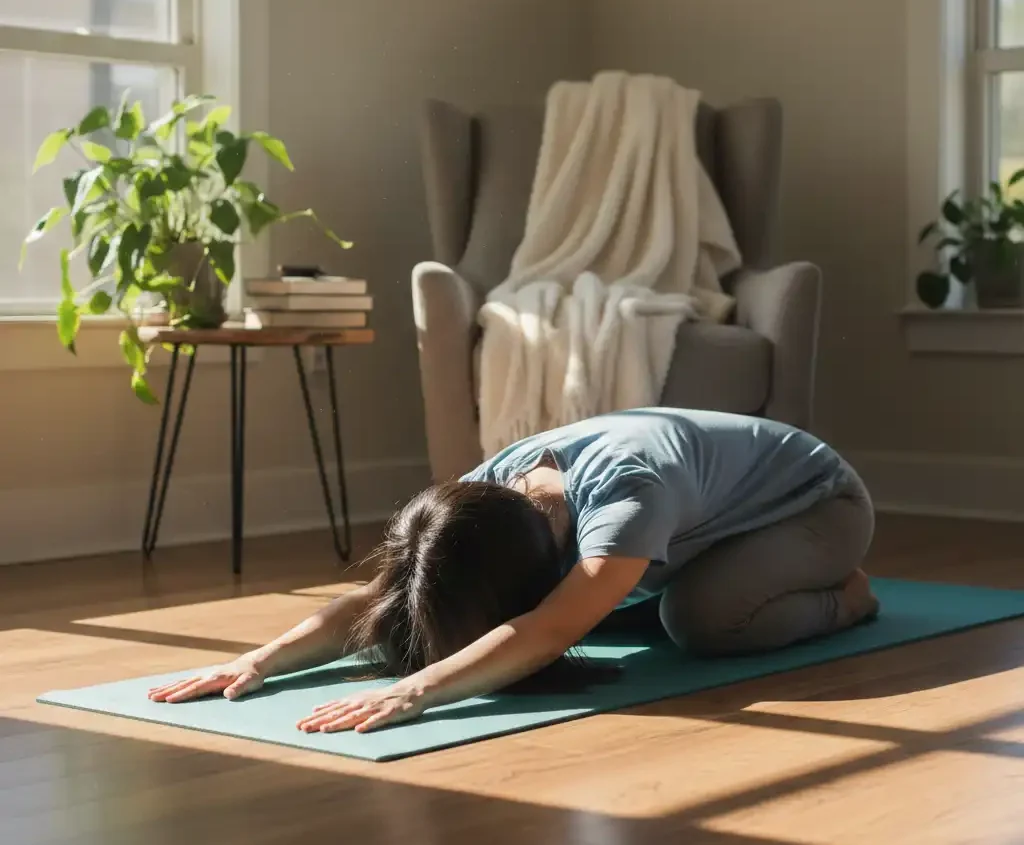
- Child’s Pose: Child’s Pose gently stretches the lower back, hips, and spine. Kneel on the floor, sit back on your heels, and reach your arms forward while resting your forehead on the mat. This pose relaxes tight muscles, relieves tension, and encourages deep breathing to calm the body.
- Cat-Cow Pose: Cat-Cow combines two movements that increase spine mobility. Start on hands and knees, arch your back for Cow Pose, then round it for Cat Pose. This dynamic stretch improves spinal flexibility, reduces stiffness, and promotes circulation to the back muscles.
- Downward-Facing Dog: This pose stretches the entire back, shoulders, and hamstrings. With hands and feet on the floor, lift your hips toward the ceiling, creating an inverted “V” shape. Downward Dog improves posture, elongates the spine, and helps relieve back tension.
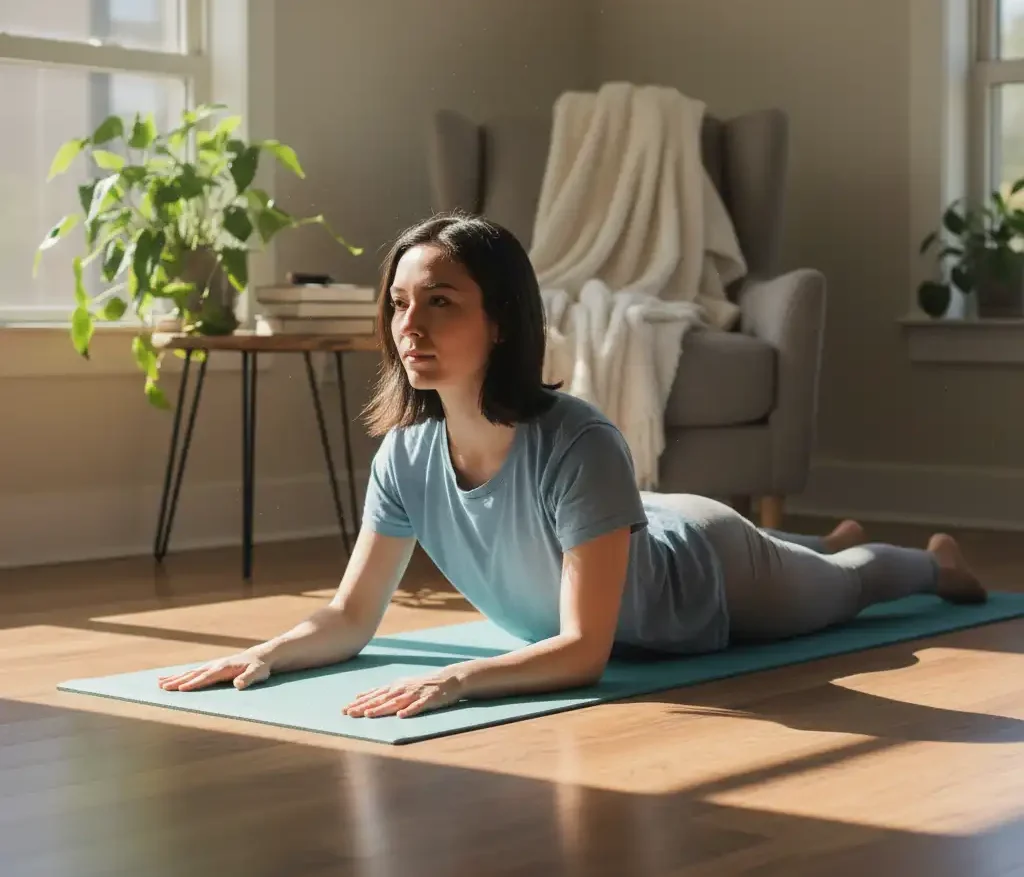
- Cobra Pose: Lying face down, gently lift your chest using your back muscles. Cobra Pose strengthens the lower back, supports spinal alignment, and counteracts slouching from daily activities.
- Supine Twist: Lying on your back, gently twist your knees to one side while keeping your shoulders grounded. This twist stretches the spine, relieves tension, and improves spinal alignment.
Practicing these poses consistently enhances back health, reduces discomfort, and supports functional movement for daily life.
Read our blog to find out the truth behind why weight loss isn’t linear, what causes plateaus, how your body adapts, and what simple changes can help you stay on track.
How to Practice Yoga Safely for Back Pain
Practicing yoga for back pain is highly effective, but safety is key. Even gentle stretches can cause discomfort if done incorrectly. Focusing on proper form, controlled movements, and gradual progression ensures that you relieve tension without straining your muscles or spine.
Proper Form and Alignment Tips
Always maintain correct posture in each pose. Keep your spine neutral, shoulders relaxed, and avoid overextending. For example, in Cat-Cow, move slowly and deliberately, feeling the stretch without forcing your back into extreme positions. Using props like cushions or yoga blocks can help beginners maintain alignment comfortably.
Avoiding Strain and Injury
Listen to your body. If a pose causes sharp pain, stop immediately and modify it. Gentle yoga stretches should create mild tension, not pain. Avoid bouncing movements or pushing your limits, especially if you have chronic back pain or recent injuries.
Modifications for Beginners or Severe Pain
Many yoga poses have beginner-friendly variations. Child’s Pose can be supported with a cushion under the chest or knees. Downward Dog can be done with bent knees to reduce pressure on the lower back. Gradually increase duration and intensity as flexibility and strength improve.
By practicing yoga safely and mindfully, you can relieve stiffness, improve spinal flexibility, and strengthen supporting muscles. Safe home routines support long-term back health, reduce the risk of injury, and build confidence in your practice.
Combining Yoga with Lifestyle Habits
Yoga can do a lot for back pain, but combining it with healthy lifestyle habits makes relief even more effective. Simple daily actions, good posture, and gentle exercises outside your yoga practice support your spine, reduce stiffness, and prevent future pain.
Posture Tips for Daily Life
Sitting or standing incorrectly can worsen back pain. Keep your shoulders relaxed, chest open, and spine neutral. If you work at a desk, take frequent breaks to stretch and adjust your posture. Even short standing stretches can relieve tension.
Gentle Exercises to Complement Yoga
Along with yoga stretches, light walking, swimming, or core-strengthening exercises help maintain flexibility and improve muscle support for the spine. These activities enhance circulation, reduce stiffness, and make yoga more effective.
Importance of Rest, Hydration, and Mindfulness
Proper sleep allows muscles to recover, while hydration supports joint and tissue health. Mindful breathing and yoga relaxation techniques help reduce stress, which can contribute to back tension.
By integrating yoga with these lifestyle habits, you can support long-term back health, reduce pain, and improve mobility. Small, consistent changes to daily routines, combined with gentle yoga, create noticeable improvements in comfort and posture.
Conclusion: Relief and Long-Term Back Health
Finding the best yoga pose for back pain is just the beginning. Regular practice of gentle stretches like Child’s Pose, Cat-Cow, Cobra, and Supine Twists can relieve tension, improve spinal flexibility, and strengthen supporting muscles.
Consistency is essential. Even short daily sessions gradually reduce stiffness and improve posture. Pairing yoga with lifestyle habits, good posture, hydration, rest, and light exercises, enhances back health. Modifying poses for comfort ensures safety, prevents injury, and makes yoga accessible for beginners or those with chronic pain.
By committing to a mindful yoga routine, you can manage discomfort, improve mobility, and support long-term back strength. Over time, these simple practices become part of a daily habit that keeps your back healthier, stronger, and more flexible.
FAQ
Which yoga pose is best for back pain relief?
Child’s Pose, Cat-Cow, Downward-Facing Dog, Cobra Pose, and Supine Twist are highly effective for relieving back tension.
Can yoga help chronic back pain?
Yes, gentle yoga stretches improve spinal flexibility, strengthen supporting muscles, and reduce stiffness over time.
How often should I practice yoga for back pain?
Practicing daily or at least 3–5 times per week with short sessions can provide consistent relief and improve mobility.
Are yoga poses safe for beginners with back issues?
Yes, especially with modifications and props like cushions or blocks. Always focus on proper form and avoid pushing into pain.
What lifestyle habits support back pain relief alongside yoga?
Good posture, regular stretching, light exercises, hydration, proper rest, and mindful breathing all enhance the benefits of yoga.
