

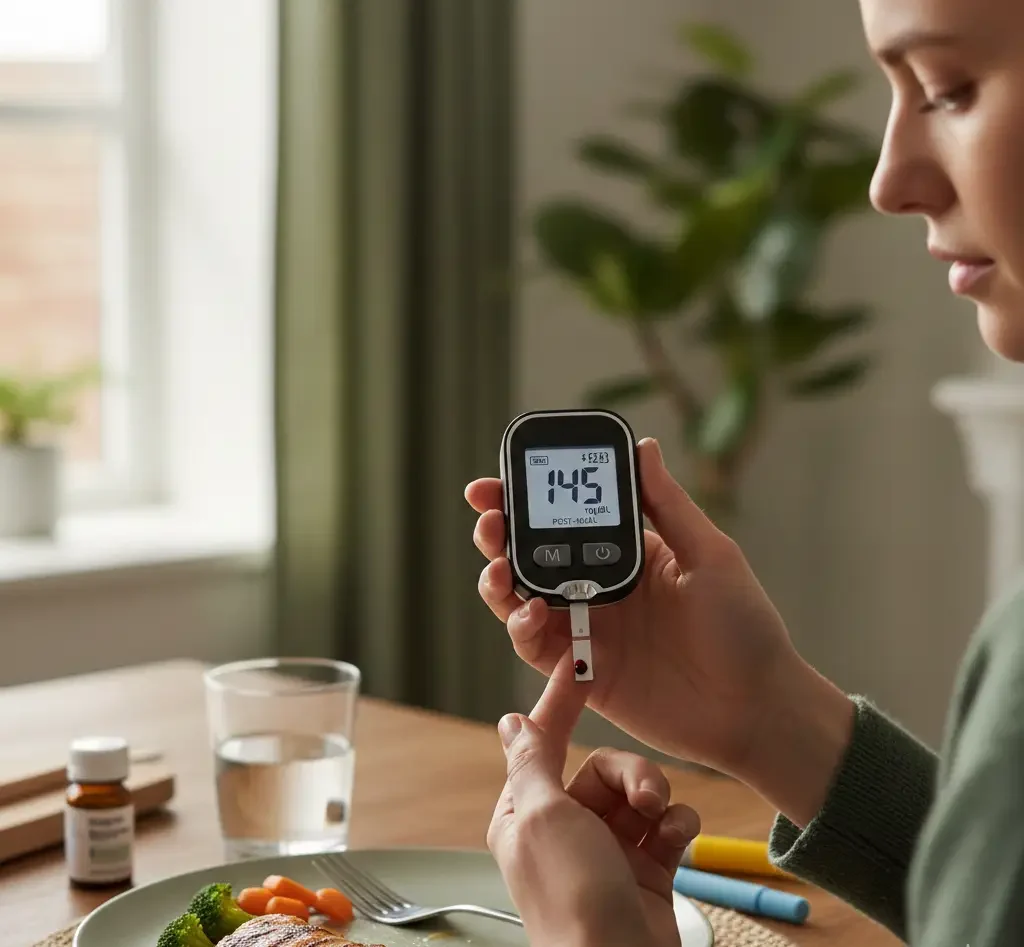
When to check your blood sugar after eating is a question many people with diabetes or prediabetes ask. The best time is usually one to two hours after a meal, when blood sugar typically peaks. Checking at this time helps you see how your body responds to food, manage spikes, and adjust meals or insulin if needed.
Post-meal glucose levels can vary based on the type of food, portion size, and activity. Keeping a food and activity log along with glucose tracking can make monitoring more accurate. Understanding your blood sugar patterns helps maintain stable glucose, prevent complications, and improve overall diabetes management. Small timing adjustments can make a big difference in your health.
How Blood Sugar Changes After Eating
After you eat, your blood sugar naturally rises. This is normal. Carbohydrates in food are broken down into glucose, which is absorbed into the bloodstream. How high your glucose levels are depends on what you eat, how much, and how active you are. Understanding these changes is important for controlling blood sugar and avoiding spikes that can affect mental and physical health.
Understanding Post-Meal Glucose Spikes
Blood sugar usually peaks one to two hours after a meal. This is called postprandial blood sugar. Spikes are normal, but very high levels can be harmful over time. Foods high in sugar or refined carbs can raise glucose quickly. Meals with protein, fiber, or healthy fats cause slower, smaller spikes. Tracking these patterns helps you manage your blood sugar and improve diabetes control.
Factors That Affect Blood Sugar Levels
Several things influence post-meal glucose. Portion size matters; larger meals lead to higher blood sugar. Activity levels also play a role; walking after meals can lower spikes. Stress and illness can raise glucose levels, even if you eat the same food. Monitoring with a glucose meter and keeping a food diary make it easier to see what affects your blood sugar.
Normal vs. High Post-Meal Blood Sugar
A normal post-meal blood sugar for most people is under 140 mg/dL. For people with diabetes, it is usually recommended to be under 180 mg/dL. If your levels are consistently higher, it may signal the need to adjust meals, activity, or medication. Regular monitoring provides insight into patterns and helps maintain stable glucose levels, which support long-term health.
The Best Time to Check Your Blood Sugar
Knowing the best time to check your blood sugar helps you manage diabetes and stay healthy. Timing matters because glucose levels change after meals. Testing too early or too late can give misleading results. For most people, the ideal window is one to two hours after eating. This is when blood sugar usually peaks, showing how your body handles the meal.
1 Hour After Eating
Checking your blood sugar 1 hour after a meal captures the early postprandial glucose peak. This is useful if you want to see how quickly your body processes sugar. Some people with fast-rising glucose may notice higher readings at this point. Recording these numbers can help adjust meal and snack portions to prevent sharp spikes.
2 Hours After Eating
Many diabetes guidelines recommend testing two hours after eating. By this time, blood sugar should start to come down. This reading gives a good indication of how well your body regulates glucose overall. It can guide insulin dosing, meal planning, or lifestyle changes.
Special Considerations for People with Diabetes
If you take insulin or medication, timing can vary. Your doctor may suggest periodic checks at different intervals, depending on your treatment plan. Activity, stress, and the type of meal can also affect when you should test. Keeping a consistent routine and logging results helps identify patterns and supports long-term blood sugar control.
Checking blood sugar at the right time is key. It helps prevent spikes, improve glucose tracking, and maintain better overall health.
Tips for Accurate Blood Sugar Monitoring
Accurately monitoring your blood sugar is important for managing diabetes and preventing complications. Small mistakes can give misleading readings and make it hard to track patterns. Simple steps can help ensure your measurements reflect your true glucose levels and support better health decisions.
Preparing Your Glucose Meter
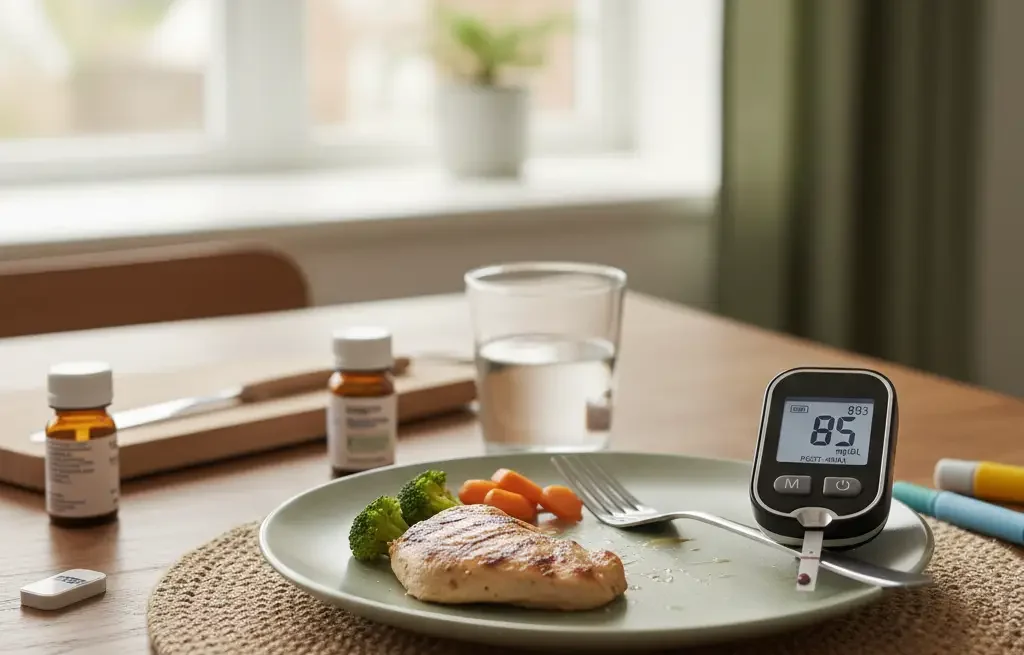
Always use a clean, calibrated glucose meter. Wash your hands before testing. Dirty fingers or old strips can cause inaccurate results. Check the expiration date of test strips and store them properly. A well-prepared meter gives consistent readings, which helps you track post-meal blood sugar reliably.
Keeping a Food and Activity Log
Recording what you eat and your physical activity helps connect meals to glucose changes: note meal times, portion sizes, and snacks. Include exercise, stress, or illness, as they can affect blood sugar. This log helps you see patterns, manage spikes, and adjust your diet or lifestyle.
Avoiding Common Testing Mistakes
Do not test immediately after eating unless instructed to do so. Avoid squeezing your finger too hard for blood. Make sure the meter’s code matches the strip batch if required. Consistency in technique matters. Test at the same time each day to accurately compare results and maintain stable glucose levels.
Accurate blood sugar monitoring helps you understand your body, prevent dangerous spikes, and make informed choices about food, activity, and medication. When done correctly, it becomes a powerful tool for long-term health.
How Monitoring Helps Manage Health
Regular blood sugar monitoring is essential for controlling diabetes and maintaining overall health. Checking your glucose after meals helps you understand how your body reacts to different foods, activities, and stress. By tracking patterns, you can prevent spikes, improve emotional well-being, and support long-term health.
Adjusting Meals and Snacks
Monitoring allows you to see which foods raise your blood sugar the most. You can adjust portion sizes, combine foods for slower glucose absorption, or swap high-sugar items for healthier options. This helps maintain stable glucose levels and prevents dangerous spikes. Over time, these small changes improve mental clarity, energy, and overall well-being.
Guiding Medication and Insulin Use
For people on insulin or other medications, post-meal glucose readings guide dosing. Accurate monitoring helps prevent episodes of low or high blood sugar. It also allows your healthcare provider to adjust treatment plans safely, improving long-term blood sugar control and reducing the risk of complications.
Tracking Patterns Over Time
Keeping a consistent log of your post-meal blood sugar helps you see trends over days and weeks. Patterns help identify triggers like certain foods, lack of activity, or stress. Understanding these patterns empowers you to make better lifestyle choices, maintain stable glucose, and support both physical and emotional health.
Monitoring blood sugar is more than testing; it’s a tool for making informed decisions that protect your health and improve your quality of life.
When to Contact a Healthcare Professional
Sometimes, blood sugar monitoring reveals patterns that require medical attention. Knowing when to reach out to a doctor or diabetes specialist is important for safety and long-term health. Early guidance can help prevent complications and improve your glucose management.

Signs Your Blood Sugar Is Consistently High or Low
If your post-meal blood sugar readings are often above 180 mg/dL or below 70 mg/dL, it may signal a problem. Frequent highs can increase the risk of heart, kidney, and nerve issues. Frequent lows can cause dizziness, fatigue, or fainting. Consistently abnormal readings warrant professional evaluation to adjust your treatment plan safely.
How a Doctor Can Help
Healthcare providers can review your blood sugar logs and identify patterns you might miss. They may adjust medications, insulin timing, or recommend dietary changes. They can also screen for underlying conditions like insulin resistance, hormonal issues, or sleep problems that affect glucose regulation.
Preventive and Long-Term Support
Regular check-ins with a professional help you track progress over time. They provide guidance on lifestyle adjustments, stress management, and physical activity to keep blood sugar stable. With proper support, monitoring becomes more effective, helping you maintain better overall health and avoid complications.
Knowing when to seek help helps keep your glucose levels within a safe range. Professional guidance makes managing blood sugar easier, more accurate, and safer for long-term well-being.
Conclusion
Checking your blood sugar at the right time after meals is essential for managing diabetes and staying healthy. Post-meal monitoring shows how your body responds to food, exercise, and daily habits. This insight helps prevent spikes, maintain stable glucose, and guide treatment decisions.
Consistent testing, keeping a food and activity log, and following simple tips for accurate readings make blood sugar monitoring more effective. Understanding patterns allows you to adjust meals, snacks, and activity levels to support long-term health. It also helps you avoid complications and improve overall well-being.
Professional guidance is important if readings are consistently high or low. Doctors can help adjust medications, insulin timing, or lifestyle habits to optimize results. Combining proper monitoring with expert advice helps keep your glucose in a safe range.
Ultimately, knowing when to check your blood sugar after eating gives you control over your health. Small, consistent actions, timed checks, accurate logging, and mindful adjustments empower you to maintain balanced glucose, prevent complications, and live a healthier, more confident life.
FAQ
When is the best time to check blood sugar after eating?
The ideal time is usually 1 to 2 hours after a meal, when glucose typically peaks, revealing how your body responds to food.
What is a normal post-meal blood sugar level?
For most people, blood sugar should stay under 140 mg/dL after eating. For people with diabetes, it is typically recommended to be under 180 mg/dL.
How can I track blood sugar accurately after meals?
Use a clean, calibrated glucose meter, wash your hands, and keep a log of meals, portion sizes, and activity to see patterns over time.
Can blood sugar spikes after meals be prevented?
Yes. Eating balanced meals with protein, fiber, and healthy fats, exercising after meals, and monitoring glucose consistently can reduce spikes.
When should I contact a healthcare professional about post-meal blood sugar?
If your readings are consistently high or low, or if you notice symptoms such as dizziness or fatigue, consult a doctor to adjust your medication, diet, or lifestyle.
