

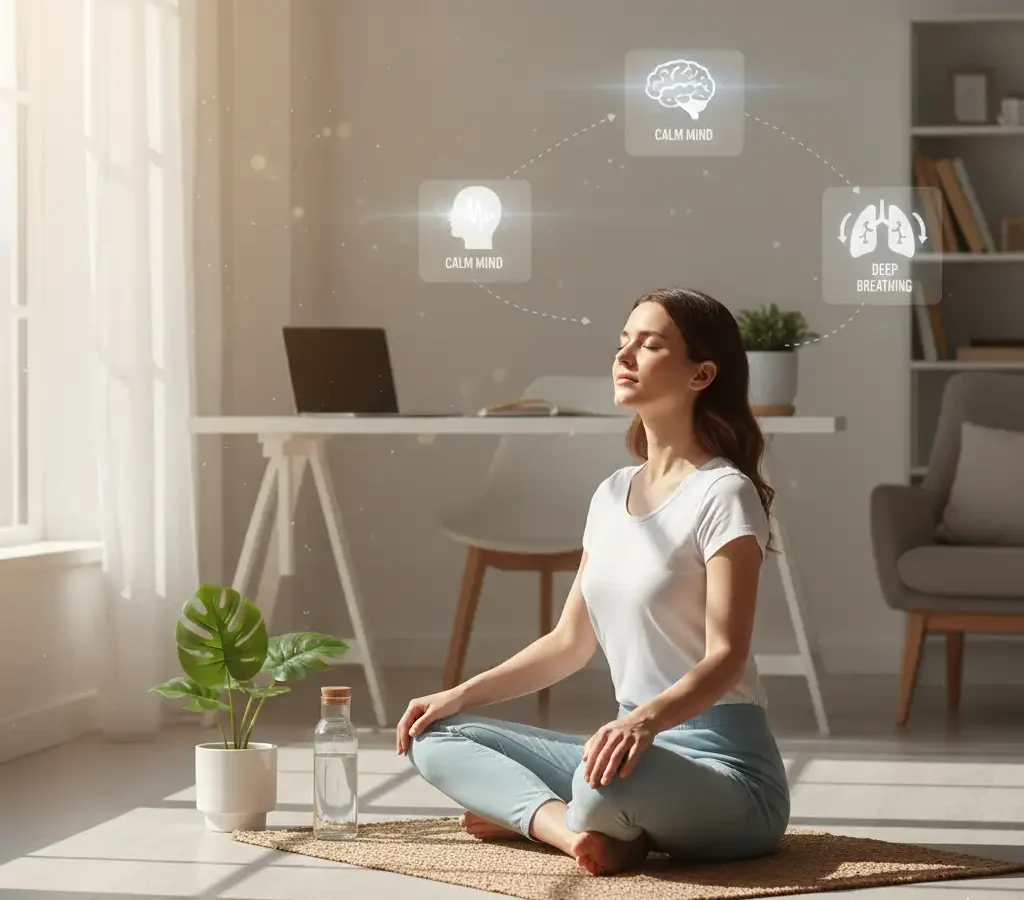
How to reduce anxiety and stress immediately is something many people need in today’s busy lives. Stress and anxiety can make your mind race and your body tense. They can leave you feeling tired and overwhelmed. The quickest way to feel better is to try simple methods. Deep breathing, grounding exercises, or short movement breaks can calm your nervous system. These techniques lower stress hormones and help your mind feel focused in minutes.
Long-term habits like sleep, healthy food, and mindfulness also help. But immediate strategies are key when anxiety spikes. Knowing how to act quickly gives you control and helps you stay calm during stressful moments.
Understanding Anxiety and Stress
Anxiety and stress are normal reactions to pressure or danger. They prepare your body to act, but too much can harm your mind and body. Stress can make your muscles tense, your heart beat faster, and your thoughts race. Anxiety can create worry, nervousness, and fear that feel hard to control.
Understanding how stress and anxiety work is the first step to managing them effectively. When you know what triggers these feelings, you can act quickly to calm your body and mind, making it easier to stay focused and relaxed even in difficult situations.
How Stress Affects Your Body and Mind
Stress triggers a physical response. Your body releases hormones like adrenaline and cortisol. These hormones increase your heart rate, tighten your muscles, and prepare you to fight or flee. Short-term stress can help you respond quickly. But long-term stress can lead to fatigue, headaches, poor sleep, and digestive problems. Your mind may feel foggy, anxious, or irritable.
Signs of Anxiety
Anxiety shows up in both body and mind. Common signs include rapid heartbeat, sweaty palms, shallow breathing, or stomach discomfort. Mentally, you may feel worried, restless, or unable to focus. These reactions are normal, but they can become overwhelming if ignored.
Why Understanding Matters
Knowing how anxiety and stress affect you helps you react effectively. Once you can recognize the signs, you can use techniques like deep breathing, grounding, or quick physical activity to reduce stress immediately. Awareness is the key to staying calm and in control, even when life feels overwhelming.
Immediate Techniques to Reduce Anxiety and Stress
When anxiety spikes, acting fast can help calm your mind and body. Simple techniques work within minutes. Deep breathing, grounding exercises, and light movement can reduce nervousness, lower stress hormones, and ease tension. These strategies help your body relax and give your mind a break from racing thoughts. Using them regularly improves overall mental health and teaches your body how to respond to stress more effectively.
Deep Breathing Exercises
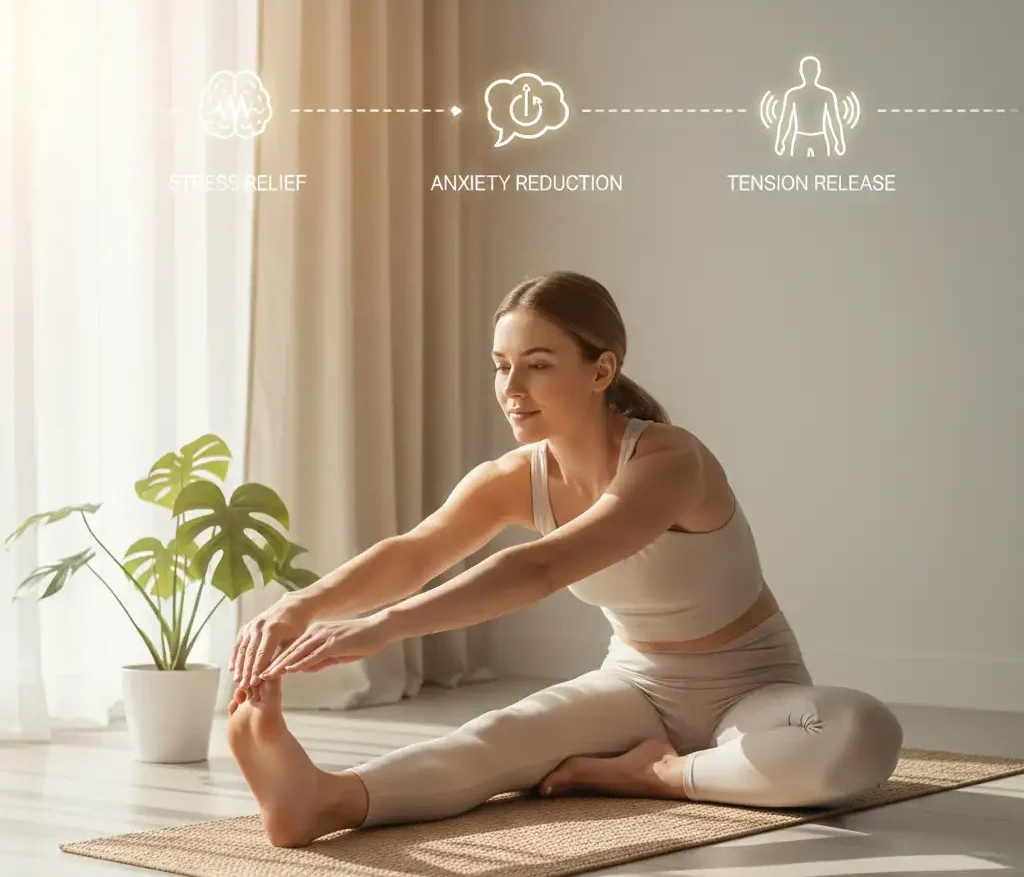
Deep breathing slows your heart rate and relaxes your muscles. Try inhaling slowly for four counts, holding for four, and exhaling for six. Repeat this for a few minutes. Focus on the air moving in and out. This method lowers anxiety and helps your mind feel centered quickly.
Progressive Muscle Relaxation
Progressive muscle relaxation involves tensing and then relaxing each muscle group. Start from your feet and move up to your head. This technique eases physical tension and makes you more aware of where your body holds stress. It helps release tightness and promotes calmness.
Grounding and Mindfulness Techniques
Grounding exercises keep you in the present. The 5-4-3-2-1 method is effective: notice five things you can see, four you can touch, three you can hear, two you can smell, and one you can taste. Mindfulness meditation also helps stop racing thoughts and reduces worry.
Short walks, stretching, or light exercise raise endorphins and reduce cortisol. Even a few minutes of movement can calm your body and shift your focus from anxiety to action.
Lifestyle Habits for Long-Term Stress Reduction
Managing anxiety and stress isn’t just about quick fixes. Long-term habits can make a huge difference in how your body and mind handle pressure. Eating well, sleeping enough, exercising regularly, and practicing mindfulness help keep stress hormones low. Over time, these habits make it easier to stay calm and focused, even during challenging situations.
Eat a Balanced Diet
What you eat affects your mood and stress levels. Foods rich in protein, healthy fats, and complex carbs help stabilize energy levels. Avoid too much caffeine, sugar, or processed foods, as they can increase anxiety and irritability. Drinking enough water also helps your body function well and reduces tension.
Prioritize Sleep
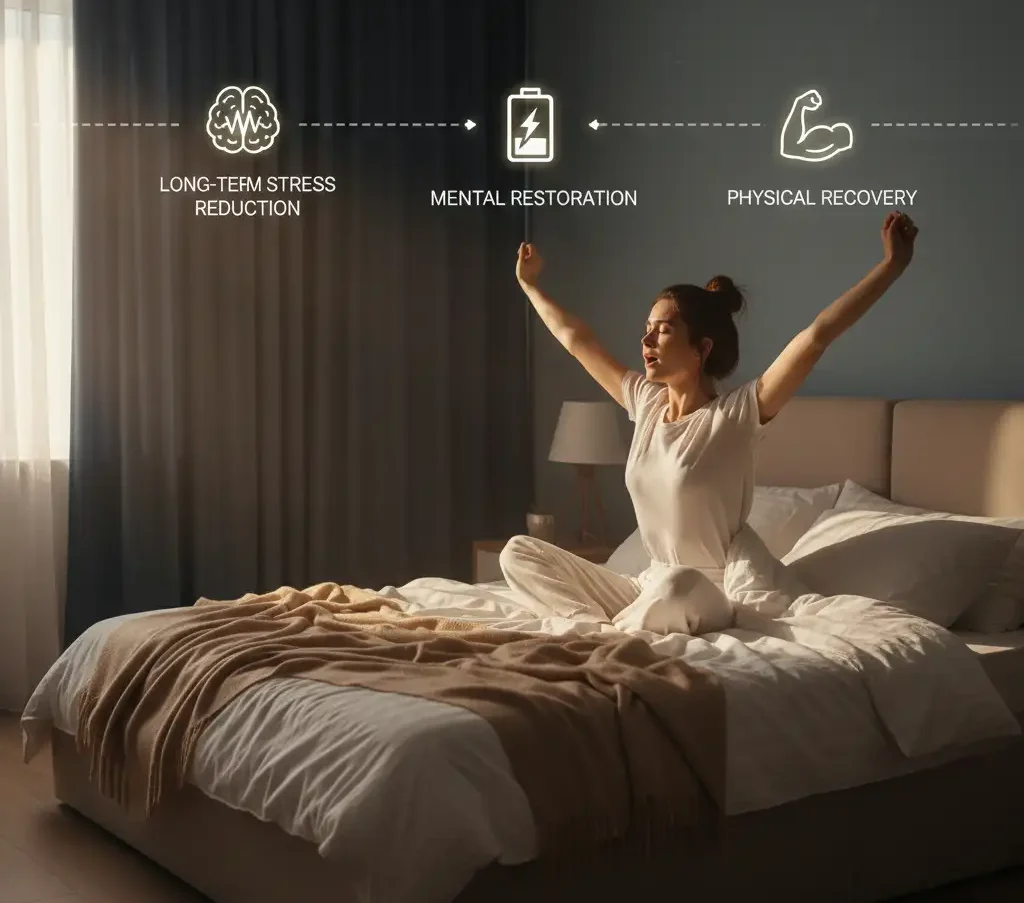
Sleep restores your mind and body. Poor sleep increases stress and anxiety. Aim for 7–9 hours each night. Create a bedtime routine, keep your room dark and quiet, and limit screen time before bed. Restful sleep helps your body recover and improves your ability to cope with stress.
Exercise Regularly
Physical activity lowers cortisol, the stress hormone, and raises endorphins, which improve mood. Even light exercise, such as walking, yoga, or stretching, helps relieve tension. Making exercise a habit improves both mental and physical resilience.
Practice Mindfulness
Mindfulness and meditation teach you to stay present. They reduce racing thoughts and help calm your nervous system. Spending a few minutes each day focusing on your breath, sensations, or surroundings strengthens emotional balance over time.
Caffeine, alcohol, and nicotine can increase stress and anxiety. Reducing them supports better sleep, a calmer mind, and a more balanced nervous system.
When to Seek Professional Help
Sometimes, anxiety and stress can become too strong to manage with self-help techniques alone. Recognizing when to get professional support is important. A mental health professional can provide guidance, therapy, or medication to help you cope. Seeking help is not a sign of weakness; it’s a step toward taking control of your well-being.
Signs You Need Professional Support
If anxiety or stress interferes with daily life, work, or relationships, it may be time to reach out. Common signs include constant worry, panic attacks, sleep problems, or physical symptoms like headaches, rapid heartbeat, or stomach issues. Feeling unable to calm down despite using self-help strategies is also a key indicator.
Therapy and Counseling Options
Therapy offers tools to manage stress effectively. Cognitive-behavioral therapy (CBT) helps identify negative thought patterns and replace them with healthier ones. Other approaches, like talk therapy or mindfulness-based therapy, also teach coping strategies. Professional guidance ensures your techniques are safe and effective.
Medication and Medical Support
In some cases, doctors may recommend medication to manage anxiety or stress symptoms. This can be especially helpful when anxiety is severe or persistent. Combining medication with lifestyle changes and self-help techniques often gives the best results.
Early intervention can prevent stress and anxiety from worsening. If you notice persistent or severe symptoms, seeking professional help promptly can improve outcomes and help you regain calm and balance in your daily life.
Conclusion
Reducing anxiety and stress immediately is possible with simple, practical techniques. Deep breathing, grounding exercises, progressive muscle relaxation, and short physical activity can calm your nervous system and lower stress hormones within minutes.
Combining these immediate strategies with long-term habits like proper sleep, a balanced diet, regular exercise, and mindfulness strengthens your mind and body against stress. Knowing when to seek professional help ensures that persistent or intense anxiety does not disrupt your daily life.
By practicing these strategies consistently, you can regain control, stay focused, and feel calmer even in challenging situations. Everyone can find methods that work best for them, making stress management a natural part of life.
Frequently Asked Questions About Reducing Anxiety and Stress Immediately
Many people have questions about how to calm anxiety and stress quickly. Here are clear answers to common concerns that help you manage your mind and body effectively.
Can Anxiety Be Reduced in Just a Few Minutes?
Yes. Techniques like deep breathing, grounding exercises, or a short walk can reduce stress within minutes. These methods calm your nervous system, lower stress hormones, and help you regain focus quickly.
What Are the Fastest Ways to Calm the Mind?
Focusing on the breath, progressive muscle relaxation, and mindfulness are some of the fastest ways. Even a brief moment of conscious breathing or noticing your surroundings can stop racing thoughts and reduce tension.
Do These Techniques Work for Chronic Stress?
Yes, but consistency matters. While immediate techniques help in the moment, combining them with long-term habits such as regular exercise, sleep, healthy eating, and meditation yields better results for chronic stress.
Are Apps or Tools Helpful?
Yes, guided meditation apps, breathing apps, or stress trackers can support your practice. They help you stay consistent and remind you to take short breaks to relieve anxiety throughout the day.
When Should I Seek Professional Help?
If stress or anxiety is persistent, intense, or affects daily life, consider therapy, counseling, or medical support. Professional help ensures you get safe and effective guidance to manage your symptoms.
