


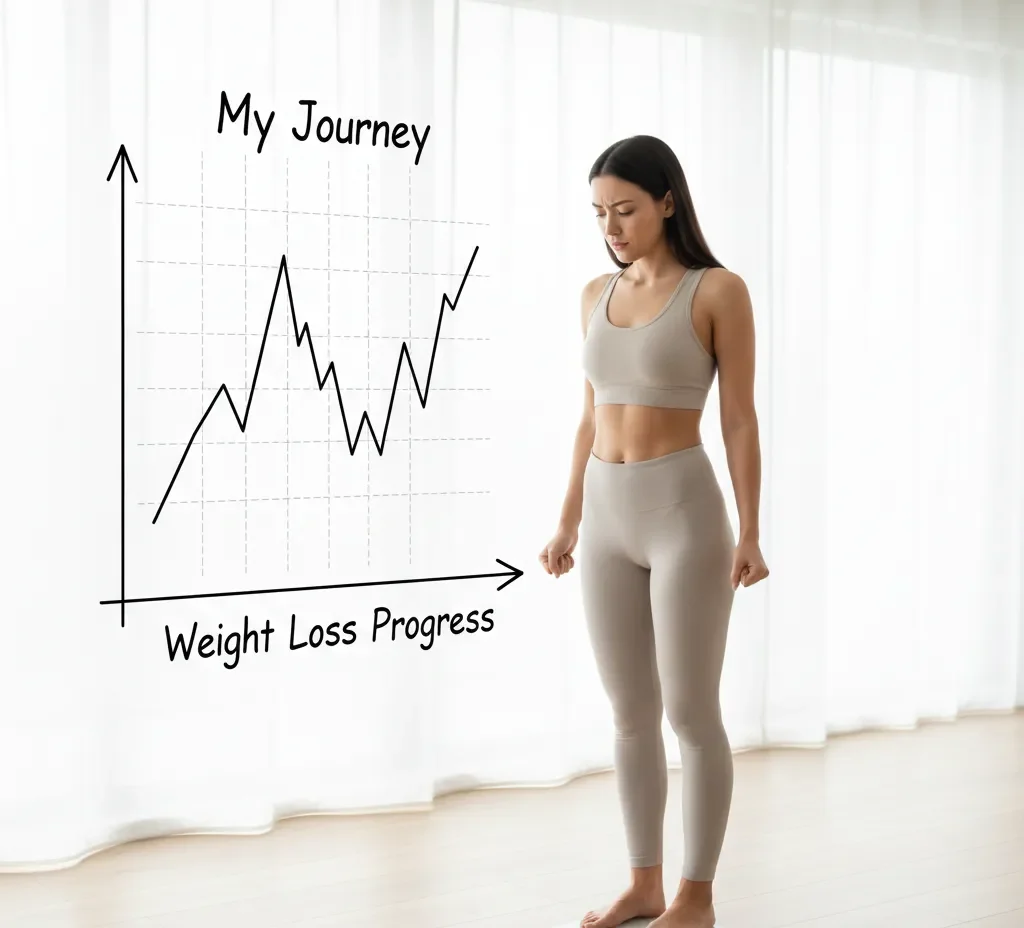
Weight loss is not linear. It does not follow a straight path. Your weight will go down, pause, and sometimes go up. This is normal. It happens to almost everyone trying to lose fat.
Many people expect fast and steady results. Real progress rarely works that way. Weight loss fluctuations can result from changes in water weight, stress, sleep, hormones, or even a hard workout. You may also gain muscle as you lose fat. The scale may not show the full truth. This is part of a healthy weight loss pattern. When you know this, it is easier to stay calm and keep going. Focus on small habits and stay consistent. Over time, these steps lead to sustainable weight loss and real results.
What Does “Weight Loss Is Not Linear” Mean?
When people start a weight loss plan, they often expect the number on the scale to drop each week. That sounds nice, but it is not how the body works. Weight loss is not linear because your body reacts to food, movement, sleep, and stress in different ways. Small fluctuations are part of a healthy weight-loss pattern.
The Common Expectation vs. Reality
Many people think fat loss should look like a straight line going down. If the scale rises, they feel they did something wrong. In truth, normal weight loss fluctuations happen to almost everyone.
Your body holds water some days and releases it on others. A salty meal, poor sleep, or stress can cause water weight changes overnight. This is not fat gain. It is just your body doing its job.
Also, if you are in a calorie deficit and strength training, you may gain a little muscle while losing fat. This is often called body recomposition. The scale may remain the same, but your body may appear leaner.
Healthy Progress Is Rarely a Straight Line
Think of progress as a slow trend, not a daily result. Some weeks will feel fast. Others will feel quiet. Both are normal parts of sustainable weight loss.
Try not to judge success by one weigh-in. Look at patterns over time instead. Stay consistent with your habits. Eat balanced meals, stay active, and rest well. When you accept that non-linear weight loss is normal, it becomes easier to stay patient and keep going without stress.
Why Weight Loss Fluctuates
It can be confusing when your weight fluctuates. You may follow your plan and still see changes on the scale. This does not mean your effort is failing. Weight loss fluctuations are a normal part of fat loss. Your body is always adjusting to food, activity, sleep, and hormones. These shifts can affect your weight from one day to the next. When you understand the causes, it is easier to stay calm and trust your progress instead of reacting to every small change.
Water Retention and Hydration Changes
One of the main reasons for rapid weight fluctuations is changes in water weight. Your body stores water for many reasons. Eating more salt or carbs can cause you to retain extra water. Travel, stress, or sore muscles after a workout can do the same. This gain is not body fat. It is temporary. Once your body’s fluid balance is restored, the weight often drops.
- Hormonal Shifts: Hormones play a strong role in metabolism and weight loss. Changes in hormones can affect hunger, energy, and fluid balance. Many people notice this during stressful times or when routines change.
- Muscle Gain vs. Fat Loss: If you exercise often, especially with strength training, you may build muscle. Muscle is dense, so the scale may not move much. This is why it’s important to understand fat loss vs. weight loss.
- Daily Calorie Differences: No one eats the same amount every day. Small changes are normal. What matters most is your average intake over time. Consistency supports sustainable weight loss, not perfection.
- Sleep and Stress Impact: Poor sleep and high stress can slow weight-loss progress. They can also cause your body to hold water.
Good rest helps your body recover and supports a healthy pattern of weight loss. Even small lifestyle changes can make a big difference over time.
Understanding Weight Loss Plateaus
At some point, many people notice the scale stops moving. This is called a weight loss plateau. It can feel frustrating, but it is a normal part of the journey. Your body is smart. As you lose weight, your energy use adjusts to protect you. This does not mean your plan has failed. It often means your body is adapting. Plateaus happen during non-linear weight loss, and they are usually a sign that your body is working to find balance.
What Causes a Plateau?
A plateau often starts when your body gets used to your routine. If you weigh less than before, your body needs fewer calories to function. This can shrink your calorie deficit without you noticing.
Metabolism and weight loss are closely linked. When metabolism slows a bit, progress may pause. You may also retain more water after intense workouts, which can temporarily mask fat loss.
How Long Do Plateaus Usually Last?
Most plateaus are temporary. They may last a few weeks, sometimes longer. During this time, your body may still be changing. You could be losing fat while retaining weight, which can show up as normal weight-loss fluctuations on the scale.
Signs Your Plan Is Still Working
Look beyond the scale. Notice how your clothes fit. Check your measurements. Pay attention to your strength and energy. These are strong signs of body recomposition.
Remember, a pause does not erase your effort. Keep your habits steady. Consistency is the foundation of sustainable weight loss. When you trust the process, progress often returns right when you least expect it.
Mistakes People Make When Progress Slows
Slow progress can test your patience. Many people panic when the scale stops moving. They think they must fix it fast. This is where mistakes begin. Remember, weight loss is not linear, and short pauses are normal. Reacting too quickly can harm your results. Instead of rushing, focus on steady habits that support a healthy weight loss pattern. Small, smart choices work better than extreme ones.
- Cutting Calories Too Much: It may seem smart to eat far less when progress slows. In truth, this can backfire. Very low-calorie intake can drain your energy and slow your metabolism, hindering weight loss. Your body may hold onto fat to protect itself. Hunger also increases, making it difficult to follow plans. A small calorie deficit is safer and easier to maintain for sustainable weight loss.
- Over-Exercising: More exercise is not always better. Too many hard workouts can stress your body. This stress can lead to changes in body water weight, which may mask fat loss. Rest is part of progress. When your body recovers well, it performs better and burns energy more efficiently.
- Relying Only on the Scale: The scale shows total weight, not just fat. It cannot distinguish between fat, muscle, or water. Because of normal weight loss fluctuations, daily numbers can mislead you.
- Comparing Your Progress to Others: Everybody is different. Age, sleep, hormones, and activity all affect slow weight loss progress. Comparing yourself to others can create stress and doubt.
Focus on your path. Consistency beats comparison. When you stay patient and trust your routine, results tend to follow.
Better Ways to Measure Progress
Relying only on the scale can be misleading. Weight goes up and down for many reasons. Weight loss fluctuations are normal, and the number on the scale does not tell the full story. To track your progress effectively, focus on changes in your body and habits. Using multiple methods helps you see how far you’ve come and keeps you motivated during non-linear weight loss.

Body Measurements
Use a tape measure to track your waist, hips, arms, and legs. Even if the scale doesn’t move, inches may be lost. This shows body recomposition, where fat is replaced by lean muscle.
Take photos every few weeks. Seeing visual changes can be more motivating than numbers. Clothes may fit differently, and your body may look leaner even with small scale changes.
Energy Levels and Fitness Gains
Notice your strength, stamina, and energy. Lifting heavier weights, running farther, or feeling more active indicate improvement. These changes reflect healthy weight loss patterns, even if the scale is slow. Clothes can reveal changes that the scale hides. Looser shirts or pants are signs of fat loss and muscle gain. Tracking this is part of sustainable weight loss.
Using these methods together gives a clearer picture. Daily scale checks are not enough. Measuring progress in multiple ways helps you stay patient, confident, and consistent on your weight loss journey.
How to Stay Motivated During Ups and Downs
Weight loss is not linear, and the journey can feel frustrating. Some weeks, the scale may drop, while other weeks it seems stuck. Normal fluctuations in weight loss can make anyone doubt their progress. Staying motivated is key to long-term success. Understanding the ups and downs and focusing on the right measures can help you keep going.
Motivation comes from patience, consistency, and celebrating small wins, not just the numbers on the scale. By learning smart strategies, you can continue your journey without losing confidence or energy, even during slow periods.
Set Realistic Expectations
Expecting a straight downward trend is unrealistic. Your body will naturally experience slow weight-loss progress, plateaus, and short-term increases due to water retention or hormonal changes. Accepting these as part of a healthy weight loss pattern helps reduce stress. Set goals that focus on habits, like daily movement or balanced meals, rather than just the scale.
Focus on Long-Term Habits
Consistency matters more than perfection. Small, daily choices build sustainable weight loss. Eating balanced meals, staying active, and sleeping well are all habits that lead to results over time. Don’t let short-term fluctuations discourage you.
Even minor improvements are progress. Clothes fitting better, lifting heavier weights, or feeling more energetic are signs of body recomposition. Recognizing these wins keeps you motivated and reinforces that your effort is paying off.
Build Consistency Over Perfection
Trying to be perfect often leads to burnout. Missing a workout or eating slightly more than planned is normal. What matters is returning to your routine consistently. This approach reduces stress and supports long-term weight loss.
By focusing on realistic expectations, long-term habits, small wins, and consistency, you can maintain motivation. Understanding that weight loss is not linear makes it easier to stay patient, trust your body, and continue making progress even when the scale doesn’t always show it. Over time, this mindset supports both physical change and mental well-being.
When Weight Fluctuation Is Completely Normal
Seeing your weight go up and down can feel worrying, but most fluctuations are completely normal. Weight loss is not linear, and understanding why your body changes helps you stay calm. Daily or weekly shifts do not mean you are failing. They are part of how your body balances water, muscle, fat, and energy. Recognizing these patterns is key to maintaining healthy weight loss habits and keeping stress low.

- Weekly Changes: It’s normal for your weight to rise or fall a few pounds from day to day. Changes in water weight are often the reason. Eating salty foods, drinking more water, or even tough workouts can cause temporary increases. These shifts do not reflect fat gain. Tracking weight weekly instead of daily gives a better view of true progress.
- Monthly Patterns: Over a month, you may notice your weight trends downward, even with short-term ups. This shows slow weight loss progress. Muscle gain, hormonal changes, and fat loss all affect the scale differently. The key is to focus on the overall trend rather than single numbers.
- Lifestyle Adjustments: Small changes in sleep, stress, or exercise can affect weight-loss fluctuations. Missing sleep or being stressed can slow metabolism and cause your body to retain water. Conversely, consistent habits support sustainable weight loss and help your body adjust naturally over time.
Understanding that fluctuations are normal helps you trust your journey. Look at measurements, energy levels, and how clothes fit, not just the scale. When you accept that weight loss is not linear, you reduce frustration and stay consistent with the habits that bring real results. Patience and awareness are your best tools for long-term success.
Final Thoughts: Trust the Process
Weight loss is not linear, and that is perfectly normal. The scale may go up, stay the same, or drop slowly, but this does not mean your effort is wasted. Weight loss fluctuations can occur due to water retention, hormonal changes, muscle gain, and daily lifestyle changes.
Focusing only on numbers can be misleading. Instead, pay attention to how your clothes fit, your energy levels, and your fitness improvements. Consistent habits like balanced meals, regular exercise, and proper sleep support sustainable weight loss. By staying patient, trusting the process, and celebrating small wins, you can achieve lasting results and maintain a healthy weight over time.
