


How long it takes to notice belly fat loss depends on your diet, exercise, and body type. Most people see small changes in their waist size or notice clothes fitting looser within 2–4 weeks. Real belly fat reduction typically shows after 6–8 weeks with consistent effort.
Early signs include feeling lighter, less bloated, or seeing small changes in lower belly fat. Your body composition changes slowly, so even if the scale does not move, inches lost around the stomach show real progress. Factors such as calorie deficit, daily activity, sleep, and stress affect how quickly belly fat goes away. Patience and steady habits are key to lasting results.
How Long to Notice Belly Fat Loss
Losing belly fat is different for everyone. How fast you see results depends on your diet, exercise, sleep, and body type. Some people notice small changes in waist size within just a couple of weeks. Others may need a month or more for changes to be visible. Early progress may not show on the scale, but your body is still losing fat. Paying attention to subtle signs helps you stay motivated and track real improvement.
Early Changes You May Feel but Not See
In the first 1–2 weeks, most changes are minor. You might feel lighter or less bloated. Your lower belly fat may soften, and your clothes may start fitting a little looser. These are early signs of fat loss, even if the mirror shows little difference.
You may also notice better digestion or more energy. These changes result from a calorie deficit and increased daily activity. Even small walks or simple exercises can support early fat loss.
Water Weight vs Real Fat Loss
At the start, some of the weight you lose is water, not fat. This is normal. Water weight can make your stomach look smaller temporarily. Real fat loss happens slowly. Body composition improves over time. Abdominal and waist fat slowly decrease. Patience is key.
Tracking inches lost around the waist can show more progress than the scale. Photos or a tape measure help you see real results. Remember, early changes are small but essential. They show your body is on the right track, setting the stage for visible belly fat loss in the weeks ahead.
What Most People Notice in the First 1–2 Weeks
The first one to two weeks of belly fat loss can feel slow, but changes are happening inside your body. Most people don’t see dramatic results on the scale yet. However, you may notice your clothes fitting looser around the waist. Your lower belly fat may feel softer. Even small changes are signs that your body composition is improving.
Subtle Signs of Early Fat Loss
During this period, you might feel lighter. Your stomach may be less bloated. Energy levels may rise as your body adjusts to better daily activity and a healthy calorie deficit. Some people notice improved digestion or less water retention. These early signs are common and indicate your body is adapting to new habits.
Why the Scale May Not Show Progress
It’s common for the scale to stay the same at first. Water weight and muscle adjustments can mask fat loss. That’s why tracking inches lost around the waist is often more accurate. Taking weekly photos can also help you see fundamental changes. Remember, even if you don’t see significant differences yet, your body is slowly losing belly fat. Consistency in eating, moving, and resting sets the stage for more noticeable results in the weeks ahead.
What Changes Appear After 3–4 Weeks
After three to four weeks of consistent habits, belly fat loss becomes easier to notice. Many people see their waist size shrinking. Clothes fitting looser becomes more obvious. You may also spot small changes in lower belly fat when looking in the mirror. These early visual signs show your body composition is improving.
Physical Changes You Can See
By this stage, abdominal fat is slowly decreasing. Your midsection may look tighter. You may feel lighter and notice improved energy levels. Even small reductions in inches can motivate you to keep going. Tracking inches lost around the waist is often more reliable than checking the scale.
Changes You Can Feel
Besides visual changes, your body may feel different. Daily movement feels easier, workouts feel less tiring, and digestion can improve. These signs indicate your calorie deficit and regular daily activity are working. Your body is adjusting to a healthier routine, and the changes are fundamental.
At this point, progress is visible but still gradual. Stomach fat loss occurs slowly, and results vary by person. Consistency with diet, exercise, and sleep is key. Keep focusing on healthy habits, because steady changes now lead to more noticeable fat loss in the coming weeks.
When Belly Fat Loss Becomes More Visible (6–8 Weeks)
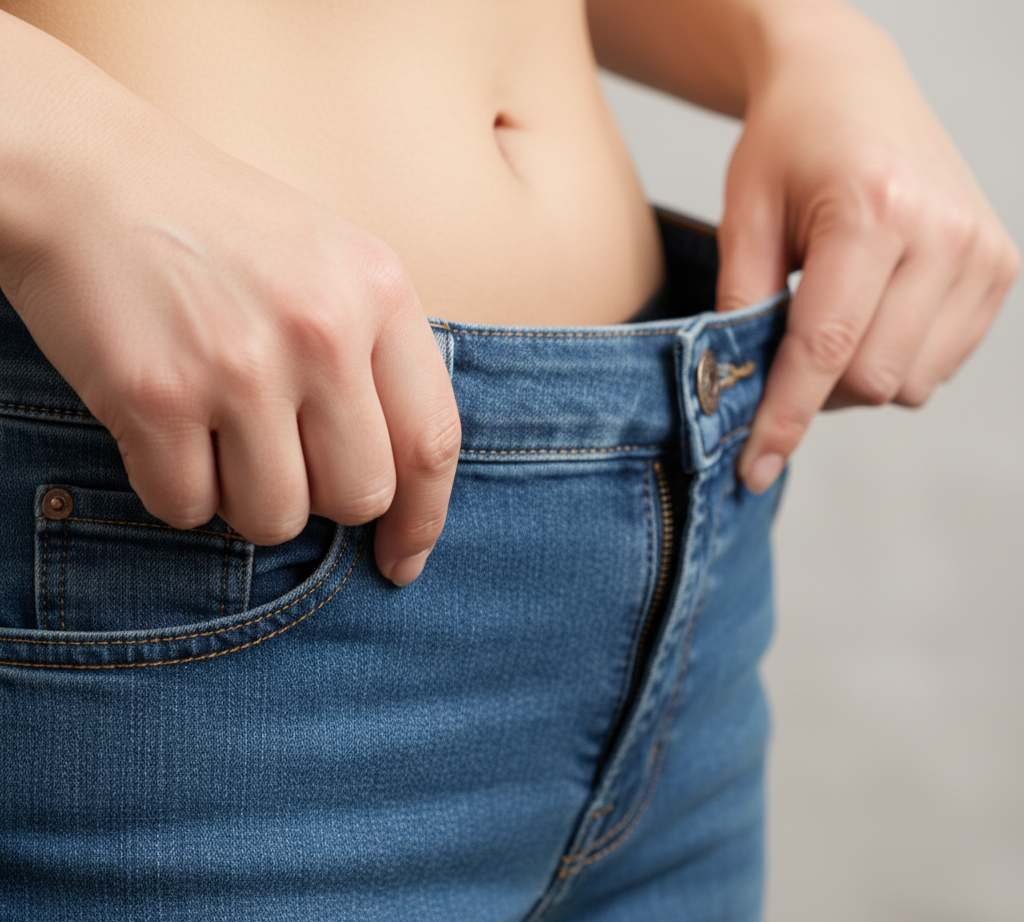
By six to eight weeks, many people begin to notice fundamental changes in their abdomen. Lower belly fat begins to shrink noticeably, and your waist size may be clearly smaller. Clothes that fit looser are no longer subtle; they’re obvious. These changes show your body composition is improving steadily.
Visible Fat Loss Signs
At this stage, you may notice your stomach looks flatter. Small bulges may start disappearing. Photos taken weekly can clearly show the difference. Tracking inches lost around the waist can also confirm progress, even if the scale doesn’t reflect significant changes.
How Your Body Feels
You may feel lighter and more energetic. Workouts feel easier, and daily movements become smoother. Your digestion may improve, and bloating can be reduced. These are all signs that your calorie deficit and daily activity are producing real results.
Why Consistency Still Matters
Even when changes become visible, patience is key. Fat loss is gradual, and results differ for everyone. Maintaining a healthy diet, regular exercise, adequate sleep, and stress management will help your belly fat continue to decrease. By staying consistent, you set yourself up for long-term, lasting results that keep your stomach tighter and your waist smaller.
Factors That Affect How Fast Belly Fat Reduces
Belly fat loss is not the same for everyone. Many factors decide how quickly your stomach fat goes away. Factors such as diet, exercise, sleep, stress, age, and hormones all play a role. Understanding these factors helps you set realistic expectations. Some people lose fat faster, while others need more time. By knowing what affects belly fat loss, you can focus on habits that work best for your body and track progress more accurately.
- Diet Habits and Calorie Balance: Your food choices matter most. Eating fewer calories than your body burns creates a calorie deficit, which is key for fat loss. Foods high in sugar or unhealthy fats can slow progress. Eating more protein and fiber helps reduce cravings. Even minor adjustments, like swapping sugary drinks for water, can make a difference. Tracking what you eat helps you understand how your lower belly fat is responding.
- Exercise Type and Consistency: Exercise helps burn calories and improve body composition. Cardio burns fat faster, while strength training builds muscle that supports fat loss. Daily activities such as walking, taking the stairs, or simple home exercises also help. Consistency is more important than intensity at first. Even small daily movements add up and help the waist size shrink over time.
- Sleep, Stress, and Hormones: Lack of sleep and high stress can increase belly fat. Cortisol, a stress hormone, makes fat stick to the stomach. Sleeping 7–9 hours and practicing relaxation helps reduce fat storage. Managing stress is just as important as diet and exercise for real results.
- Age, Gender, and Body Type: Your genetics also affect fat loss. Men and women store fat differently. Older adults may lose fat more slowly because of lower metabolism. Understanding your body type helps you set realistic goals. Focus on healthy habits rather than quick fixes to see long-term results.
By considering these factors, you can adjust your routine and see clothes fitting looser, less lower belly fat, and fundamental changes in inches lost around the waist. Patience and steady habits make fat loss safer and more lasting.
Signs You Are Losing Belly Fat Even If the Scale Doesn’t Change
Sometimes, the scale doesn’t show progress, even when your lower belly fat is shrinking. This is normal. Fat loss is gradual, and muscle gain or water changes can hide it. You can still notice real improvements if you focus on other signs. Paying attention to subtle changes helps you stay motivated and track progress more accurately.
Inches Lost Around the Waist
One of the best ways to see results is by measuring your waist. Even if your weight stays the same, your waist size can shrink. Taking weekly measurements or using a tape measure helps you track real fat loss. Clothes may start fitting looser, showing that your body composition is improving.
Fat loss often leads to increased energy. Workouts may feel easier, and daily activities like climbing stairs or walking can become less tiring. Feeling stronger shows your body is responding to your daily activity and healthy habits, even if the scale doesn’t move.
Minor visual differences appear over time. Your stomach may look flatter. Bloating may reduce, and the lower belly fat may soften. Weekly photos can clearly show progress that the scale misses.
Other Subtle Signs
Other indicators include improved digestion, reduced bloating, and better posture. These may seem minor, but they signal real fat loss. Combined with a calorie deficit and regular exercise, these signs confirm that your body is changing.
Even if the scale doesn’t move, these indicators show that fat around the stomach is slowly decreasing. Tracking them helps you stay patient and focused on steady, lasting results.
How to Speed Up Belly Fat Loss Safely
Losing belly fat faster is possible, but it should be safe and sustainable. Crash diets or extreme workouts can harm your body. The key is to focus on small changes that add up over time. By combining a healthy diet, consistent daily activity, and good habits, you can see faster results without risking your health.
Small Diet Changes That Work
Your food choices make a big difference. Eating fewer calories than you burn creates a calorie deficit, which helps reduce lower belly fat. Focus on protein, fiber, and vegetables. Swap sugary drinks for water. Eating slowly and avoiding overeating also helps. Even minor adjustments, such as cutting snacks or reducing fried foods, can help you lose belly fat safely.
Exercises That Support Fat Loss
Exercise helps burn fat and improve body composition. Cardio workouts, like walking, jogging, or cycling, burn calories. Strength training builds muscle, which allows the body burn more fat even at rest. Daily movement, such as taking stairs or short walks, adds up. Consistency matters more than intensity at first.
Daily Habits That Support Results
Other habits also speed up fat loss. Getting 7–9 hours of sleep helps regulate hormones. Managing stress lowers cortisol, which reduces belly fat storage. Drinking enough water and staying active throughout the day improves metabolism. These habits, combined with diet and exercise, help reduce belly fat faster.
Tracking Progress
Track inches lost around the waist, take weekly photos, and notice clothes fitting looser. Even small visual changes show that your body composition is improving. Patience with consistent, safe habits ensures lasting results rather than temporary changes.
Common Mistakes That Delay Belly Fat Loss
Even when you work hard, certain habits can slow down belly fat loss. Understanding these mistakes helps you avoid frustration. Many people expect fast results or focus only on the scale. Others overlook diet, daily movement, or sleep. Recognizing these issues can keep you on track and improve your progress.
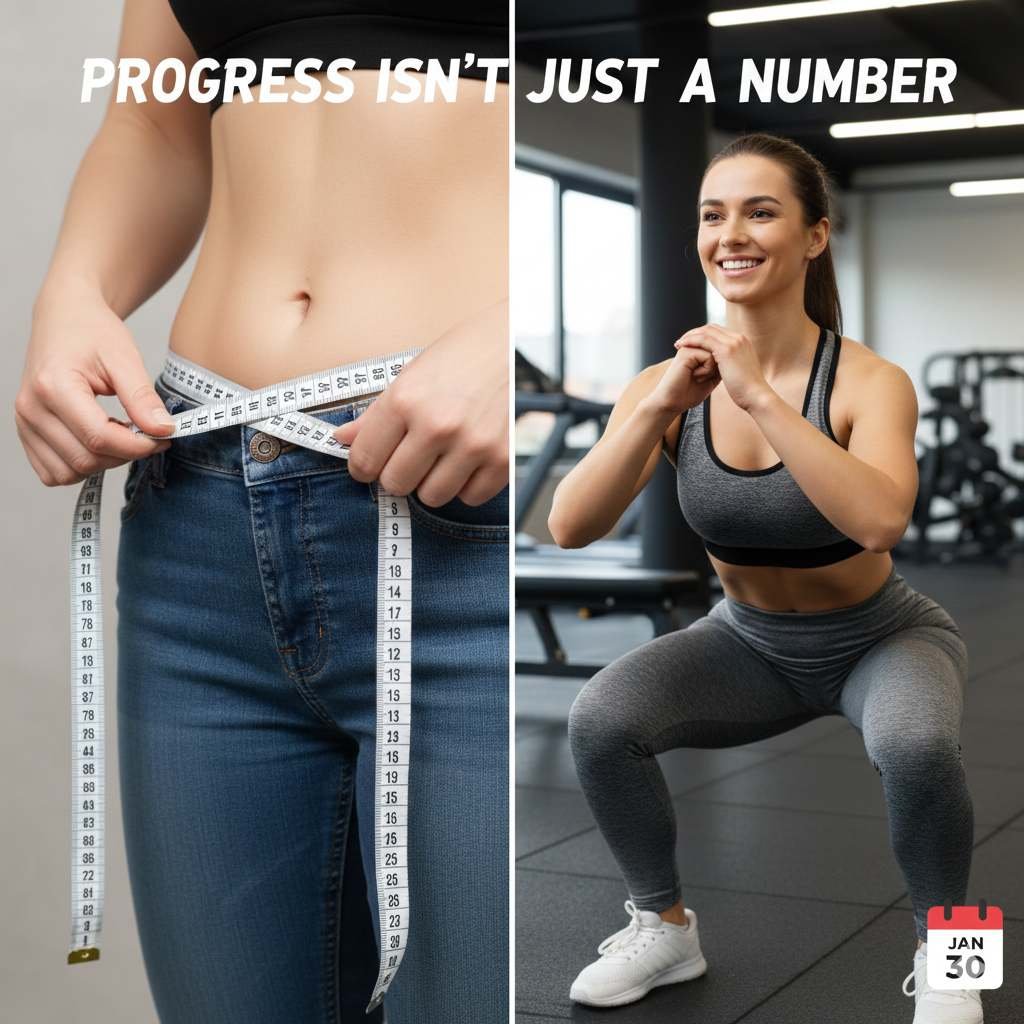
- Expecting Fast Results: One of the biggest mistakes is expecting quick changes. Lower belly fat reduces slowly, and visible changes take weeks. Impatience can lead to skipping workouts or restrictive diets. Real progress comes from consistency. Tracking inches lost around the waist and using photos can show results more clearly than the scale.
- Relying on the Scale Alone: The scale does not tell the whole story. Water retention, muscle gain, or temporary bloating can hide fat loss. Monitor body composition, waist size, and how clothes fit more loosely. These are more accurate methods for measuring belly fat reduction.
- Ignoring Diet and Daily Activity: Skipping exercise or overeating prevents progress. Even small daily movements help burn fat. Maintaining a calorie deficit and staying active is more important than extreme workouts or dieting.
Not getting enough sleep or staying stressed raises cortisol levels, which slows belly fat loss. Lack of rest can reduce energy for workouts and affect metabolism. Good sleep and stress management are as important as exercise and diet for real results.
What to Expect Long Term
Belly fat loss is gradual. After several months of consistent effort, changes become more noticeable. Your waist size will shrink, and lower belly fat will reduce steadily. Clothes fitting looser is a clear sign of progress. Long-term results come from maintaining healthy habits rather than quick fixes.
Healthy Monthly Fat Loss
A safe rate of fat loss is about 1–2 pounds per week. This adds up to 4–8 pounds a month, depending on your body. Rapid weight loss may lead to muscle loss or rebound fat gain. Gradual changes improve body composition and keep results lasting.
Tracking Your Progress
Tracking inches lost around the waist, weekly photos, or noticing clothes fitting looser helps you see fundamental changes. Even if the scale doesn’t move much, these signs show fat is decreasing. Monitoring progress keeps you motivated and aware of steady improvements.
Staying Patient and Consistent
Long-term fat loss takes patience. Everyone’s body responds differently. Age, gender, and lifestyle affect results. Focusing on consistent daily activity, a balanced diet, adequate sleep, and stress management helps ensure that lower belly fat continues to shrink safely. Small, steady steps build lasting habits.
Once you reach your goals, maintaining them is easier if healthy habits continue. Regular exercise, mindful eating, and staying active help prevent belly fat from returning. Over time, your body composition improves, your stomach stays flatter, and you feel healthier overall.
Conclusion
Belly fat loss takes time and patience. Most people notice small changes in waist size or clothes fitting looser within a few weeks, while a visible reduction in lower belly fat often appears after 6–8 weeks.
Tracking inches lost around the waist, monitoring energy levels, and assessing body composition are better ways to measure progress than relying solely on the scale. By staying consistent with healthy eating, daily activity, sleep, and stress management, you can achieve safe, lasting belly fat loss and enjoy real, long-term results.
