

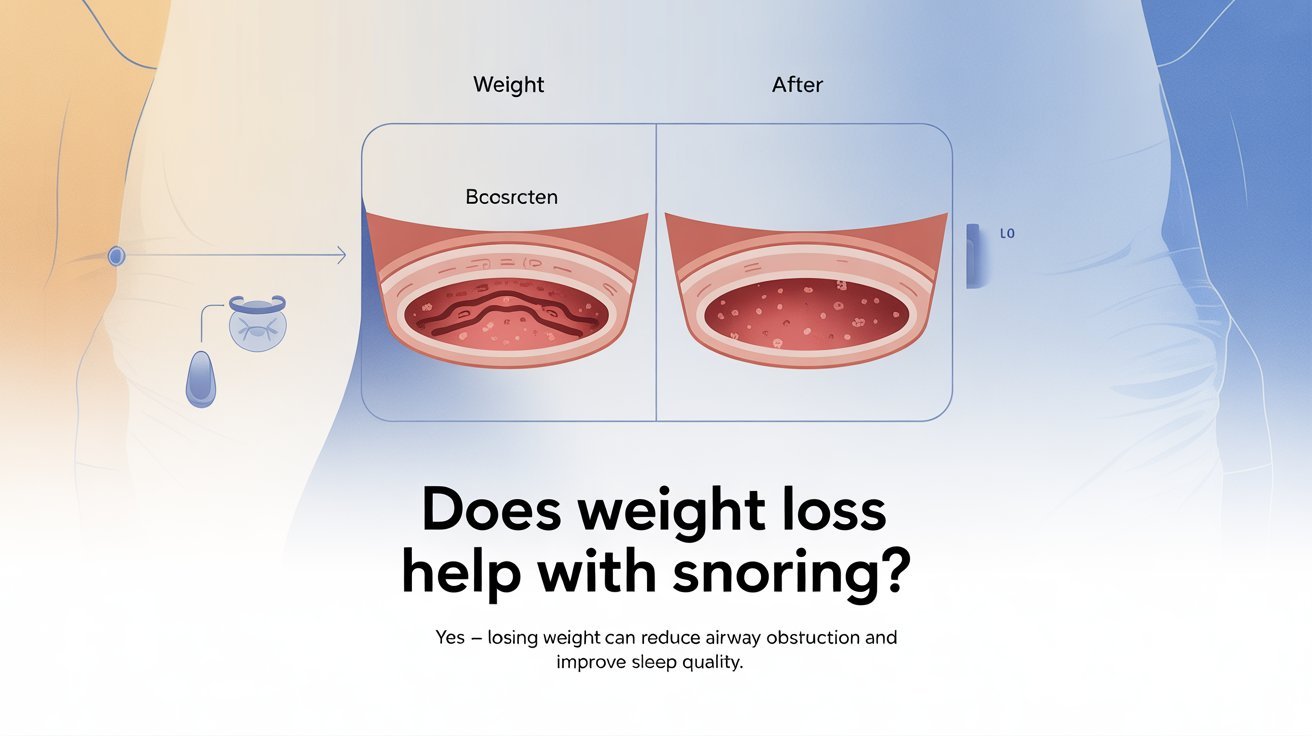
Does weight loss help with snoring? Many people ask this after dealing with loud snoring. Snoring can disturb sleep and strain relationships. It can also leave people tired during the day. In many cases, body weight plays a role. Extra fat around the neck and throat can narrow the airway. This limits airflow during sleep and causes noise.
Losing weight may reduce snoring by lowering airway pressure. Breathing during sleep can become smoother and quieter. Still, weight is not the only cause. Sleep position, alcohol use, and sleep apnea also matter. Knowing how weight loss and snoring are linked helps people make better choices for healthier, quieter sleep.
What Causes Snoring?
Snoring happens when airflow is partly blocked during sleep. The airway narrows, and tissues vibrate as air passes through. Many factors can cause this blockage. Weight is one reason, but it is not the only one. Understanding the causes helps you choose the proper fix.
How Snoring Happens During Sleep
When you fall asleep, throat muscles relax. This is normal. If the airway becomes too narrow, airflow turns rough. The soft tissues then vibrate, producing sound. This is snoring. Restricted airflow can worsen when muscles relax too much or when the airway is already small. Breathing during sleep becomes noisy and uneven.
Body weight is a common trigger. Extra fat around the neck and throat can press on the airway. This makes airflow harder. Sleep position also matters. Sleeping on your back lets the tongue fall backward. This blocks the airway. Alcohol before bed relaxes throat muscles even more. Smoking can irritate the airway and cause swelling. Nasal congestion from allergies or a cold can also limit airflow and worsen snoring.
Snoring vs Sleep Apnea
Snoring and sleep apnea are not the same. Snoring is often harmless. Sleep apnea is more serious. It causes repeated breathing pauses during sleep. Loud snoring, choking sounds, and daytime fatigue are warning signs. Obstructive sleep apnea happens when the airway collapses during sleep. Weight gain increases this risk. A sleep study can confirm the difference.
How Excess Weight Affects Snoring
Excess weight can significantly contribute to snoring. It changes how the body breathes during sleep. Extra fat can affect the airway, lung movement, and muscle tone. These changes make breathing more complicated at night and increase the chance of loud snoring.
Fat Around the Neck and Airway
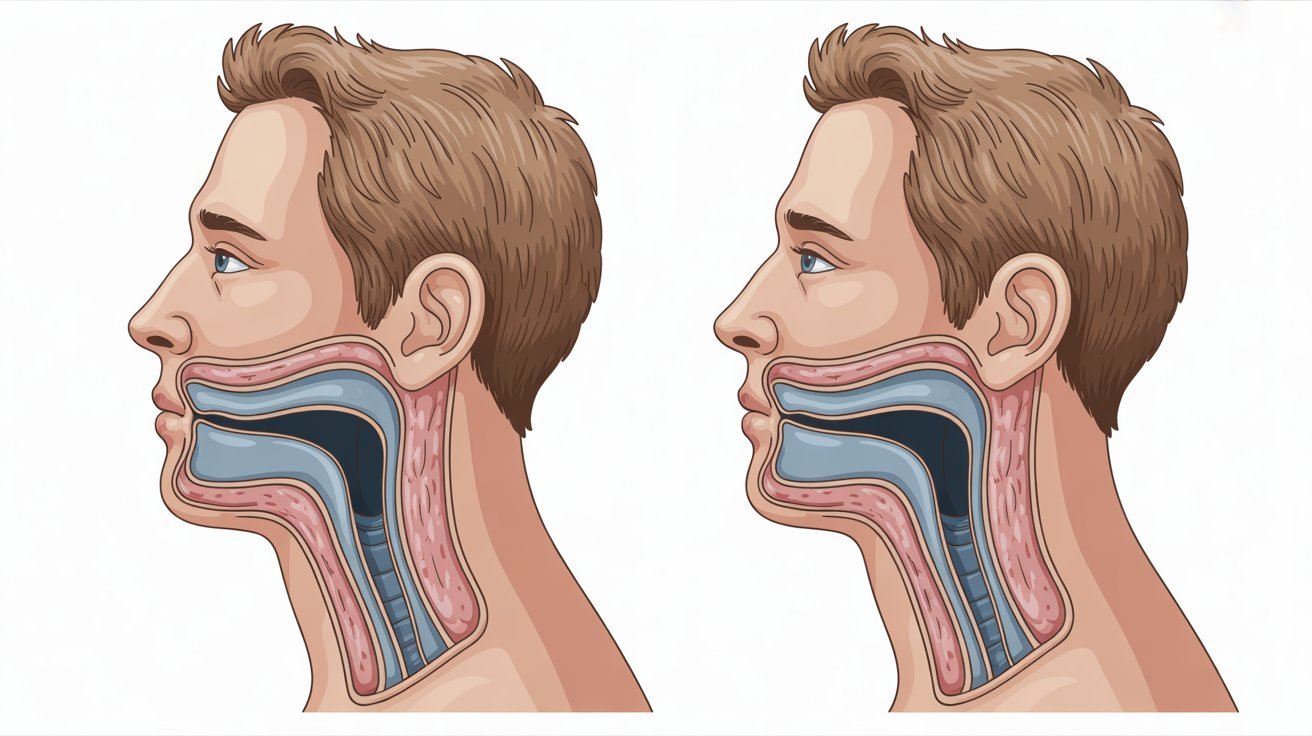
Weight gain often adds fat around the neck and throat. This extra tissue presses on the airway. The space for air becomes smaller. When airflow is restricted, tissues vibrate more. This causes louder snoring. People with thicker necks often snore more because of this. Losing weight can reduce neck fat and help keep the airway open.
Belly fat also affects breathing during sleep. Extra abdominal fat pushes up on the lungs when you lie down. This limits how much the lungs can expand. Breathing becomes shallow and strained. Restricted airflow makes snoring more likely. Weight loss can ease this pressure and improve airflow during sleep.
Weight Gain and Muscle Tone During Sleep
Excess body fat can weaken muscle tone over time. During sleep, throat muscles relax even more. This makes airway collapse easier. Obesity and snoring are closely linked because relaxed muscles and added fat work together to block airflow.
In simple terms, weight gain increases pressure on the airway from different angles. Neck fat narrows the throat. Belly fat affects lung movement. Poor muscle tone worsens the problem. Healthy weight loss can reduce these effects and help many people breathe better at night.
Does Weight Loss Help With Snoring?
Many people notice changes in snoring after losing weight. This happens because weight loss affects breathing and airway function during sleep. But results are not the same for everyone. Let’s look at what usually improves, how much weight may help, and why snoring may not always stop entirely.
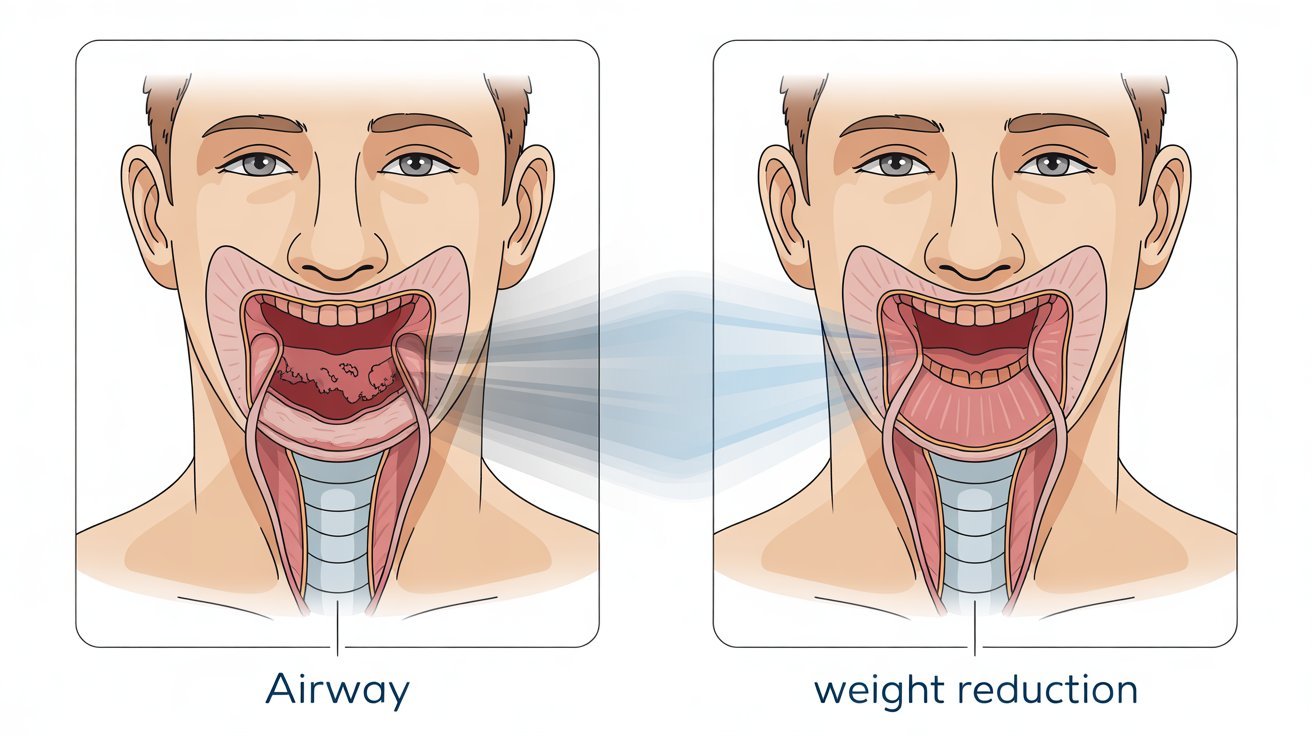
Doctors agree that weight loss and snoring are linked. Losing weight can reduce fat around the neck and throat. This helps open the airway. Air can move more freely during sleep. As airflow improves, snoring often becomes softer or less frequent. Studies also show that many people experience better sleep quality after weight loss.
How Much Weight Loss May Help
Even slight weight loss can help some people. Losing 5 to 10 percent of body weight may reduce snoring. The airway feels less pressure. Breathing during sleep becomes easier. Greater weight loss may yield better results, especially for people who were overweight.
For some people, weight is the leading cause of snoring. When excess body fat decreases, the airway stays more open. Throat muscles work better. This reduces vibration and noise. These people often see clear improvement.
Snoring has many causes. Sleep position, alcohol use, nasal blockage, and sleep apnea also matter. Thin people can snore too. If snoring persists after weight loss, another cause may be at play.
Weight Loss and Sleep Apnea
Snoring and sleep apnea are closely linked, but they are not the same. Weight plays a significant role in both. For many people, excess body fat makes breathing harder during sleep. Understanding how weight loss affects sleep apnea helps explain why snoring often improves, but does not always disappear.
Can Weight Loss Reduce Sleep Apnea Symptoms?
Yes, weight loss can reduce sleep apnea symptoms for many people. Extra fat around the neck and throat can block the airway during sleep. Losing weight reduces this pressure. The airway stays more open. Breathing pauses may happen less often. Snoring may become quieter. Sleep quality can improve. Many doctors recommend healthy weight loss as part of sleep apnea treatment.
Weight loss does not cure sleep apnea for everyone. Some people still have airway blockage due to jaw shape, tongue position, or weak throat muscles. Nasal issues can also play a role. In these cases, snoring and breathing pauses may continue even after weight loss.
Sleep apnea is a serious condition. It can cause daytime fatigue, headaches, and heart problems. Loud snoring with breathing pauses is a warning sign. A sleep study helps confirm the diagnosis. Treatment may include CPAP therapy, oral devices, lifestyle changes, and weight loss.
How Much Weight Loss Is Needed to Reduce Snoring?
Many people ask this question when they start their weight loss journey. The truth is simple. No fixed number works for everyone. Even a slight weight loss can make a real difference for snoring. What matters most is where the body loses fat and how the airway responds.
Losing just 5 to 10 percent of body weight may reduce snoring for some people. This small change can lower fat around the neck and throat. When this area becomes less crowded, air flows more easily during sleep. As a result, snoring may become softer or happen less often. Better airflow also supports more profound, more restful sleep.
Bigger Weight Loss May Bring Bigger Changes
For people with obesity-related snoring, more weight loss often brings stronger results. As body mass index drops, airway pressure decreases. The tongue and soft tissues are less likely to fall back during sleep. This can reduce loud snoring and breathing pauses. Many people also notice less daytime tiredness and better sleep quality.
Not all snoring is caused by weight. Nose shape, jaw position, alcohol use, and sleep posture matter too. Some people may lose weight and still snore. Others may see quick improvement. This is why results vary so much.
Best Ways to Lose Weight to Reduce Snoring
Losing weight can help reduce snoring, but the method matters. Healthy, consistent habits are the most effective. Combining diet, exercise, and lifestyle changes can make a real difference for both weight and sleep quality.
Healthy Diet Habits That Support Better Sleep
Eating a balanced diet is key. Focus on lean proteins, fruits, vegetables, and whole grains. Avoid processed foods and excess sugar. Heavy meals right before bed can worsen snoring. Drinking water and limiting alcohol in the evening also help. Proper nutrition supports weight loss and improves breathing during sleep.
Exercise That Helps Breathing and Weight Loss
Regular exercise helps burn fat and strengthens muscles, including those around the airway. Cardio, like walking, jogging, or cycling, supports overall fat loss. Strength training helps maintain lean muscle. Even gentle workouts improve metabolism and lung capacity, which can reduce snoring over time.
Sleep Position and Lifestyle Changes
Sleeping on your side rather than your back can help prevent the tongue from blocking your airway. Elevating your head slightly may also help. Avoid smoking and alcohol, which relax throat muscles and worsen snoring. Good sleep hygiene, including regular bedtimes, supports both weight management and restful sleep.
Other Ways to Reduce Snoring Besides Weight Loss
Weight loss can help reduce snoring, but it is not the only solution. Many other simple changes can improve airflow and make sleep quieter. These tips work for both people who need to lose weight and those who are already slim.
Sleeping on your back can cause the tongue to fall back, blocking the airway. Sleeping on your side can prevent this. Using a supportive pillow to keep your head slightly elevated can also open the airway and reduce snoring.
Nasal Strips and Breathing Aids
Nasal strips or external dilators help widen the nasal passages. This improves airflow and decreases snoring. People with nasal congestion or a deviated septum may benefit from these devices.
Alcohol relaxes throat muscles and makes snoring worse. Avoid drinking a few hours before bedtime to help keep your airway open.
Allergies and colds can block airflow, leading to increased snoring. Keeping nasal passages clear with gentle irrigation, antihistamines, or avoiding allergens can help.
Who Benefits Most From Weight Loss for Snoring
Not everyone will see the same results from losing weight. Some people experience significant improvements, while others notice only minor changes. Understanding who benefits most helps set realistic expectations for managing snoring.
Those who snore occasionally or lightly often see the quickest improvement with weight loss. Reducing neck and throat fat can open the airway and improve airflow. Mild snorers may even stop snoring completely after losing a modest amount of weight.
Overweight Adults
Adults carrying extra body fat, especially around the neck and abdomen, are most likely to benefit. Weight loss reduces pressure on the airway and lungs. This can decrease loud snoring and improve breathing during sleep.
People with mild obstructive sleep apnea may notice fewer breathing pauses after losing weight. Their airways can open more easily, which lowers the risk of severe apnea episodes.
Why Results Differ
Results vary because snoring has multiple causes. Genetics, nasal structure, alcohol use, and sleep position also matter. Some thin people snore, while some overweight people do not. Weight loss is often a helpful step, but not a guaranteed cure.
When to See a Doctor About Snoring
Most snoring is harmless, but sometimes it can signal a more serious problem. Knowing when to get professional help ensures safety and better sleep.
See a doctor if snoring is loud, frequent, or disrupting your sleep or your partner’s sleep. Pay attention to breathing pauses, choking, or gasping during the night. Daytime fatigue, morning headaches, or trouble concentrating are also warning signs.
A sleep specialist or an ENT doctor can examine your airway and check for conditions such as obstructive sleep apnea. They may recommend a sleep study to monitor your breathing patterns at night.
Doctors can suggest lifestyle changes, medical devices, or therapies based on the cause. CPAP machines, oral appliances, or nasal treatments may be prescribed. Weight loss, diet, and sleep position adjustments are often recommended alongside medical interventions.
Final Verdict: Does Weight Loss Help With Snoring?
Weight loss can help reduce snoring, but it is not a cure for everyone. Excess fat around the neck and abdomen can narrow the airway, leading to noisy breathing during sleep. Losing weight can relieve this pressure and improve airflow, often reducing snoring and supporting better sleep.
For people with mild snoring or extra body fat, even modest weight loss can make a noticeable difference. Those with early sleep apnea may see fewer breathing pauses. However, snoring can have many causes, including sleep position, nasal congestion, alcohol use, and genetics. Some people may still snore even after losing weight.
Combining healthy weight loss with good sleep habits, side sleeping, managing allergies, and avoiding alcohol before bed gives the best results. Consulting a doctor or sleep specialist is vital if snoring is loud, persistent, or accompanied by breathing pauses.
