

Do hot tubs help with weight loss, or is it just a popular idea? Many people believe soaking in hot water can burn calories. The heat raises body temperature. It also causes sweating. This makes some people think fat is melting away. But sweating often means water weight loss, not real fat loss.
Hot tubs and calories are connected, but only to a limited extent. Heart rate can rise. Muscles relax. Stress levels drop. These effects can support healthy habits. They do not replace movement or exercise. Weight loss myths spread fast because passive calorie burn sounds easy. This topic matters because clear facts help people make better choices. Let’s explain what truly happens in your body.
Do Hot Tubs Help With Weight Loss?
Many people ask this question after hearing bold claims online. A hot tub feels intense. You sweat. Your heart beats faster. That makes it easy to think weight loss is happening. But weight loss has clear rules. This section explains what is real and what is not, in plain words.
Why People Think Hot Tubs Burn Calories
Hot tubs raise body temperature. That part is true. When heat exposure increases, your heart rate also rises. Your body works harder to cool itself down. This small effort uses energy. That is where the idea of calorie burning comes from.
Sweating adds to the confusion. After soaking in hot water, the scale may show a lower number. This is water weight loss. It comes from fluid loss through sweat. It is temporary. Once you drink water, the weight returns.
This is why many weight loss myths start. Sweating feels like progress. Passive calorie burn sounds easy. But the body does not lose fat this way.
What Actually Happens to Your Body in Hot Water
Soaking in a hot tub relaxes muscles. It improves blood flow. It can lower stress levels. These are real hot tub benefits. Stress relief may improve sleep. Better sleep can support healthy habits.
Hot tubs and calories do connect, but weakly. The energy used is low. It is much less than walking or light exercise. There is no real metabolism boost. Fat loss does not happen from soaking alone.
Hot tubs can support recovery after workouts. They can help sore muscles feel better. But they cannot replace movement. Weight loss still needs regular activity and smart food choices.
How Hot Tubs Affect Calorie Burn
Many people want to know how many calories the body really burns in a hot tub. The heat feels strong, and the body reacts fast. This can make calorie burning sound bigger than it is. Let’s break it down in a clear and honest way.
Calories Burned in a Hot Tub vs Light Exercise
When you sit in hot water, your heart rate goes up. Your body works to control body temperature. This uses energy. That part is real. But the number of calories burned is small.
Studies show that soaking in hot water may burn a few more calories than sitting on a couch. Still, it is far less than light exercise. A short walk burns more calories than a long soak. Stretching, cleaning, or slow cycling does more too.
Hot tubs and calories do not work the same way exercise does. Movement forces muscles to work. That is how fat loss starts. Sitting still, even in the heat, does not produce the same level of energy use.
Does Sweating Mean Fat Loss?
Sweating often tricks people. Heavy sweating feels intense. But sweat is mostly water. When you lose fluid, the scale drops temporarily. This is water weight loss.
Fat loss works differently. The body needs time and effort to burn stored fat. Sweating in hot tubs does not target fat cells. It only reduces fluid levels.
This is why passive calorie burn causes confusion. It sounds easy, but the result is limited. Hot tubs can help you relax and recover. They cannot do the work that movement and daily habits do.
Hot Tubs and Water Weight Loss
Many people notice the scale drops after a long soak in a hot tub. This makes them think they are losing fat. In reality, most of this weight loss comes from water. Understanding the difference is important for clear expectations.
Temporary Weight Loss Explained
When you sit in hot water, your body sweats to cool down. Sweat is mostly water. Losing water can make you feel lighter quickly. This is called water weight loss. It is temporary. As soon as you drink fluids, the weight returns.
Hot tubs and calories can cause this small change. Your body uses energy to maintain its temperature, but it is minor. The real change is fluid loss, not fat burning.
Why the Scale Changes After Soaking
The combination of heat and sweat affects the number on the scale. You may feel proud seeing a lower weight. But it is not permanent. Water weight loss does not reduce fat or change your body composition.
Still, this temporary effect can motivate people. Seeing a difference, even small one, encourages healthy habits. Hot tubs can support relaxation, stress relief, and recovery. These benefits indirectly help weight management.
Soaking in hot water feels good and can temporarily reduce weight. But it should not replace exercise or balanced eating. Hot tubs are a tool for comfort and recovery, not a main weight-loss method.
Can Hot Tubs Support a Weight Loss Plan?
Hot tubs alone cannot make you lose fat. But they can support your weight loss journey in helpful ways. The heat, relaxation, and comfort they provide can improve habits that actually matter for losing weight.
Stress Reduction and Better Sleep
Soaking in a hot tub reduces stress. Stress raises cortisol, a hormone that can make the body store fat. Lower stress can help control appetite and cravings. Hot tubs also help you sleep better. Good sleep supports metabolism and keeps energy levels steady. Both stress control and sleep are important for real, lasting weight loss.
Muscle Recovery and Workout Support
Hot tubs improve blood flow and relax muscles. This can reduce soreness after exercise. When your muscles feel better, you can move more and exercise regularly. Regular movement is key to burning calories and losing fat. Hot tubs help your body recover, so workouts feel easier and more sustainable.
In short, hot tubs are not a fat-burning tool on their own. But they support healthy habits such as stress management, better sleep, and regular exercise. These benefits make it easier to stick to a weight loss plan. Using a hot tub wisely can make your fitness routine more enjoyable, and your body feel better while you work toward real results.
Hot Tubs vs Exercise for Weight Loss
Many people wonder if soaking in a hot tub can replace exercise. The truth is simple: hot tubs feel relaxing, but they cannot do what exercise does. Understanding the difference helps set realistic expectations.
What Hot Tubs Cannot Replace
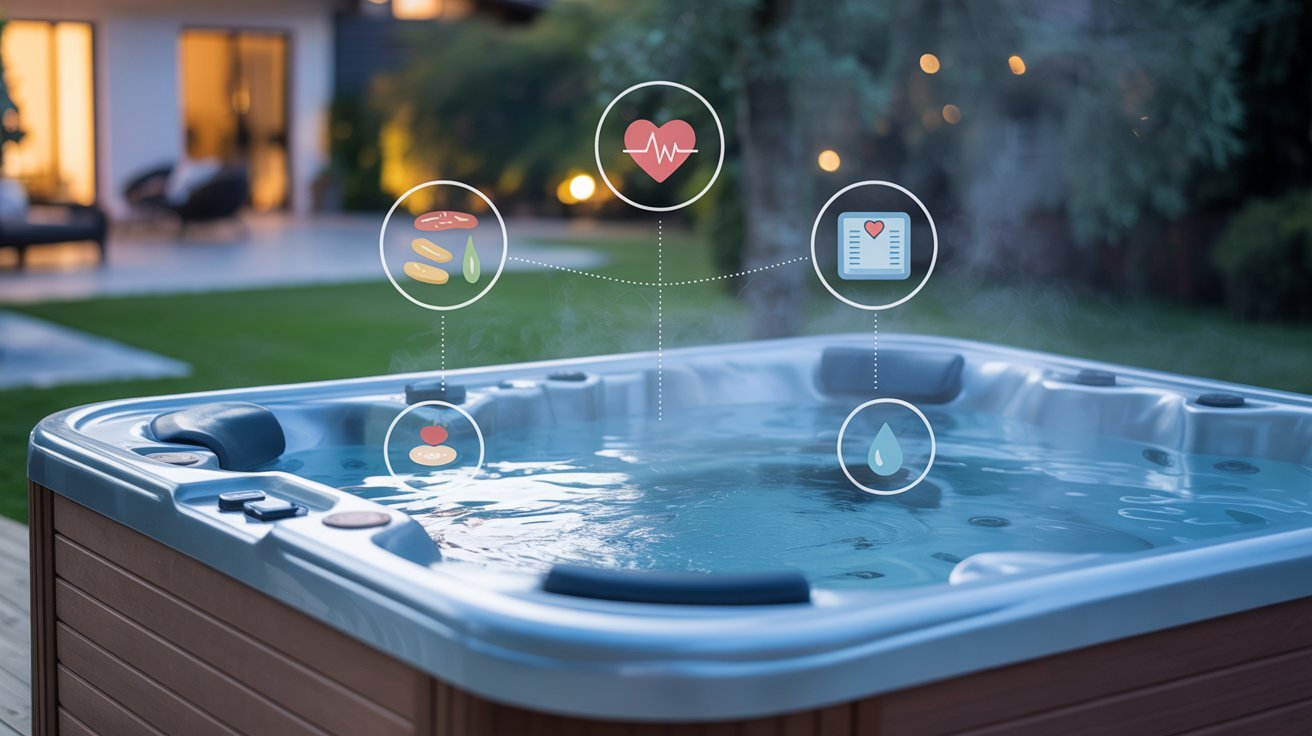
Hot tubs raise body temperature and make you sweat. They may burn a few calories and reduce water weight. But real fat loss comes from movement. Exercise uses muscles, boosts metabolism, and burns energy consistently. Sitting in hot water does not target fat or increase long-term calorie burn.
When Hot Tubs May Still Be Helpful
Hot tubs do have a role in supporting exercise. Warm water relaxes muscles, eases stiffness, and improves blood flow. This can make workouts less painful and help prevent injury. After a tough session, soaking can reduce soreness, helping you stay active more often.
In short, hot tubs are not a replacement for workouts. They are a helpful companion. Use them to recover, relax, and reduce stress. But for weight loss, staying active is essential. Hot tubs make the journey easier, but the work still comes from regular exercise.
Are Hot Tubs Safe for Everyone?
Hot tubs feel relaxing and comforting, but they are not risk-free. Before using one, it’s important to understand who should be careful and how to stay safe.
Risks for Heart Conditions and Dehydration
The heat from a hot tub raises heart rate and blood flow. For healthy adults, this is usually fine. But people with heart problems or high blood pressure need caution. Staying in hot water for too long can strain the heart. Hot tubs also cause sweating, which can lead to dehydration if you don’t drink enough water.
How Long Is Safe to Stay in a Hot Tub
Experts recommend 15 to 30 minutes per session. Stay hydrated by drinking water before and after soaking. Avoid very hot temperatures, especially above 104°F (40°C). Listen to your body if you feel dizzy, lightheaded, or uncomfortable; it’s time to get out.
Hot tubs are great for relaxation, stress relief, and muscle recovery. But safety matters. Using them wisely ensures you enjoy the benefits without risks. By following simple guidelines, most people can safely use a hot tub as part of their fitness or wellness routine.
Final Answer: Do Hot Tubs Help With Weight Loss?
Hot tubs alone do not cause real fat loss. They can burn a few calories and temporarily reduce water weight, but this effect is short-lived. Sweating in hot water may make the scale drop, yet it is mostly fluid loss, not fat.
However, hot tubs offer benefits that support a weight-loss plan. They relax muscles, improve blood flow, reduce stress, and help with post-exercise recovery. Better sleep and lower stress can make it easier to stick to healthy habits like exercise and balanced eating.
In short, hot tubs are a helpful companion, not a replacement for movement. Real fat loss comes from consistent activity and healthy daily choices.
