

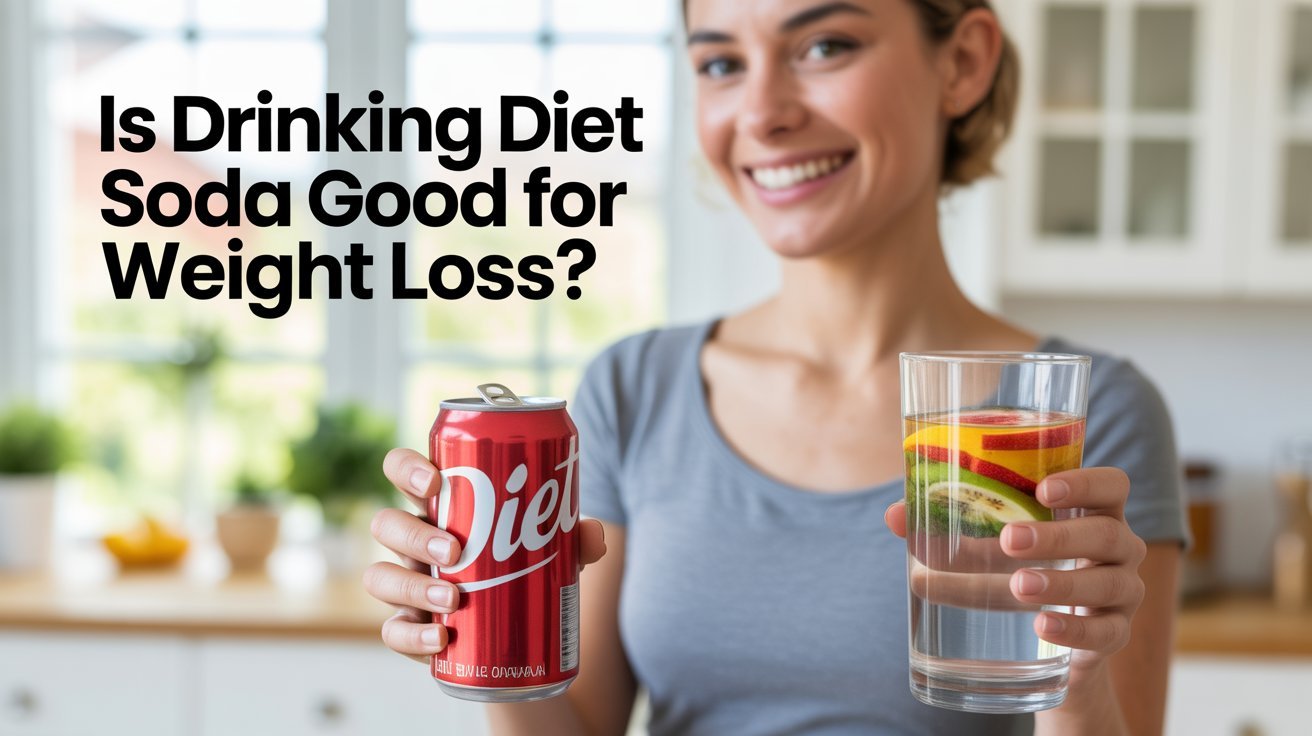
Is drinking diet soda good for weight loss? Many people ask this when they want to cut calories and lose fat. Diet soda has no calories. So it seems like a smart swap for sugary drinks. But the effect is not always simple. Some people do lose weight by replacing regular soda with other drinks.
Others find they get more cravings and feel hungrier later. Artificial sweeteners can change appetite, insulin response, and daily food choices. Diet soda and weight loss depend on habits, not just calories. Knowing how zero-calorie soda affects your body helps you see if it will help or work against your goals.
What Is Diet Soda Made Of?
Diet soda is not just regular soda with less sugar. It is made in a way that keeps the taste sweet but cuts calories. Many people drink it thinking it is healthier. Knowing what goes inside helps you understand how it may affect weight loss and your body.
Artificial Sweeteners Used in Diet Soda
The main ingredient that makes diet soda sweet without sugar is artificial sweeteners. Common ones include aspartame, sucralose, and saccharin. These sweeteners give the soda a sugary taste but have almost zero calories. They trick your tongue into enjoying sweetness while keeping calories low. However, some studies show that artificial sweeteners can change appetite. They might make some people crave more sweet foods later. This can affect overall calorie intake, which matters for weight loss.
Calories and Nutritional Value
Most diet sodas have no calories, fat, or sugar. They are very low in nutrition. They do not give your body vitamins, minerals, or energy. This makes them different from other drinks, such as milk or fruit juice. If you rely too much on diet soda, you might miss out on nutrients from healthier drinks.
How Diet Soda Differs from Regular Soda
Regular soda is full of sugar and calories. One may have over 150 calories. Diet soda removes these calories but keeps the flavor. While this seems good for weight loss, the effects on appetite and cravings can be mixed. Understanding the difference helps you decide when and how to include diet soda in your diet without affecting your fat loss goals.
Is Drinking Diet Soda Good for Weight Loss?
Many people drink diet soda to lose weight. It seems like a smart way to cut calories. But the truth is not simple. Drinking diet soda can help some people reduce their sugar and calorie intake. For others, it may not lead to real fat loss. How it affects your body depends on habits, cravings, and overall food choices.
Does Diet Soda Help Reduce Calorie Intake?
Diet soda has almost no calories. Switching to sugary drinks can lower daily calorie intake. For example, replacing one regular soda a day can save over 150 calories. Over time, this can add up and help with weight loss. But it works best when paired with healthy meals and exercise. Diet soda alone does not burn fat.
Can It Replace Sugary Drinks for Fat Loss?
Yes, diet soda can replace sugary drinks. Regular soda is high in sugar and adds extra calories that your body stores as fat. Choosing zero-calorie soda can prevent this extra intake. But some people overcompensate later by eating more sweet or high-calorie foods. So replacing sugary drinks is helpful only if overall eating habits stay balanced.
Short-Term vs Long-Term Weight Loss Effects
In the short term, diet soda may help you lose a few pounds by reducing your calorie intake. Long-term results are mixed. Some studies show people who drink diet soda regularly may struggle with cravings or appetite changes. Others maintain weight loss successfully when diet soda is part of a mindful eating plan. Knowing how your body reacts is key to making it work for you.
How Diet Soda Affects Appetite and Cravings
Drinking diet soda may feel like a smart choice for weight loss. It has no calories but still has a sweet taste. This can trick your brain in ways you might not expect. Diet soda and weight loss are connected not just to calories but also to how it affects hunger and cravings. Understanding this helps you make smarter choices.
Sweet Taste and Hunger Signals
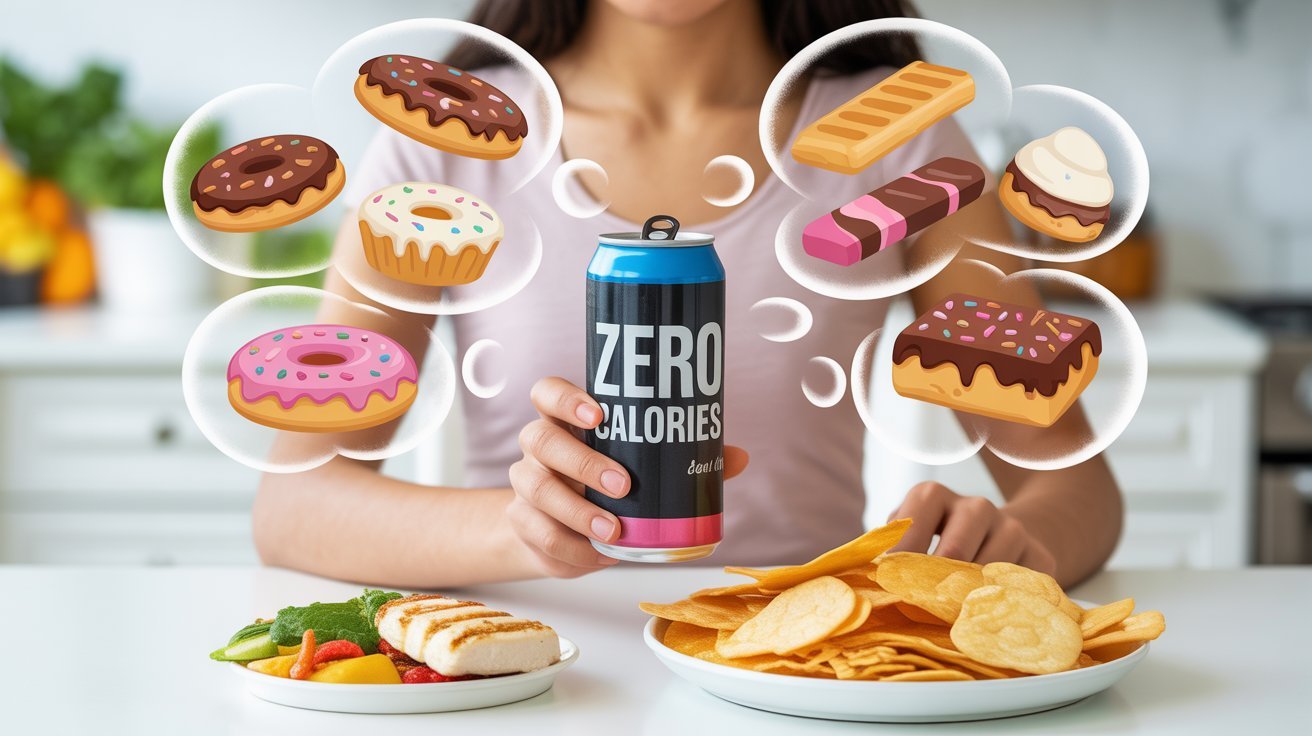
The sweet taste of diet soda can confuse the body. Your brain expects sugar and energy when it tastes sweetness. But zero-calorie soda does not give real energy. Sometimes, this can make you feel hungrier later. This is why some people may reach for snacks or sweets after drinking diet soda.
Does Diet Soda Increase Sugar Cravings?
Yes, it can for some people. Artificial sweeteners may trigger a desire for more sweet foods. This can make it harder to stick to a low-calorie diet. If you drink diet soda often, you might notice more cravings for desserts or sugary snacks. This can reduce the weight loss benefit of choosing zero-calorie soda.
Impact on Portion Control
Diet soda can also affect portion control. Some people feel justified in eating larger portions because they “saved calories” with soda. This can offset the calorie savings from switching from regular soda. Being mindful of your overall eating habits is essential when using diet soda as part of a weight loss plan.
Diet Soda and Metabolism
Many people wonder if diet soda affects metabolism. It has no calories, so it seems harmless. But artificial sweeteners can sometimes affect how your body handles sugar and energy. Diet soda and weight loss are not just about calories; they also depend on how your metabolism responds. Understanding this can help you make better choices.
Artificial sweeteners like aspartame or sucralose can affect insulin for some people. Insulin helps control blood sugar. Even though diet soda has no sugar, sweeteners may trigger a small insulin response. This can affect appetite and energy use. Some people may feel hungrier or crave sugar after drinking it.
Effects on Gut Health and Digestion
Diet soda may also impact gut health. Some studies suggest artificial sweeteners can change gut bacteria. This can affect digestion and even metabolism over time. A healthy gut is important for weight loss. People with sensitive digestion may notice bloating or discomfort from regularly consuming diet soda.
Can Diet Soda Slow Fat Burning?
There is no strong evidence that diet soda directly stops fat burning. However, cravings, excess snacking, or disrupted metabolism can slow weight loss. How your body reacts to artificial sweeteners is personal. Observing your own response helps you decide whether diet soda supports your weight loss or makes it harder.
Potential Downsides of Drinking Diet Soda
Diet soda may seem like a harmless way to enjoy sweetness without calories. But it is not risk-free. While it can help reduce sugar intake, regular consumption may bring some unexpected effects. Understanding these downsides is important for anyone using diet soda as part of a weight loss plan. Knowing the risks helps you make smarter choices for your health and habits.
Some people notice bloating or gas after drinking diet soda. Artificial sweeteners like sucralose and aspartame can sometimes upset digestion. Changes in gut bacteria may also contribute to bloating. If you already have sensitive digestion, frequent diet soda may worsen discomfort.
Habit Formation and Overconsumption
Drinking diet soda can create habits that are hard to break. The sweet taste may make you rely on artificially sweetened drinks instead of water. Some people drink more than they realize, thinking it is “calorie-free.” Over time, this can reduce the benefits of switching from sugary drinks.
Zero-calorie soda may keep your sweet tooth active. Some studies suggest people who drink diet soda often still crave desserts or sugary snacks. This can lead to overeating without realizing it. Even though diet soda does not have sugar, it can influence overall appetite and food choices.
Who Should Avoid Diet Soda for Weight Loss
Diet soda can be useful for some people trying to lose weight. But it is not for everyone. Certain people may find it makes cravings worse or slows progress. Knowing who should be cautious helps you make better choices for your health and weight-loss goals.
Some people react strongly to artificial sweeteners like aspartame or sucralose. They may feel bloated, gassy, or have stomach discomfort. Others may notice headaches or unusual cravings. If you are sensitive, even small amounts of diet soda can cause problems. Choosing water or other low-calorie drinks may work better.
Those Struggling with Food Cravings
Diet soda may keep sugar cravings active. People who already struggle with sweets might find it harder to control portions. Zero-calorie soda can sometimes make you want desserts or sugary snacks later. If cravings are a challenge, it may be better to limit diet soda or drink it occasionally.
Even though diet soda has no calories, it can affect appetite, cravings, and daily food choices. Some people feel they can “eat more” after drinking soda, which can offset the calorie savings. If weight loss is slow or stalled, evaluating diet soda intake is important. Paying attention to your body’s response is key to long-term success.
Healthier Alternatives to Diet Soda
Diet soda may seem like a quick fix for weight loss. But there are drinks that are better for your body. Choosing alternatives can help reduce cravings, support digestion, and keep calorie intake low. These options provide hydration without the downsides of artificial sweeteners or bloating.
Sparkling Water Options
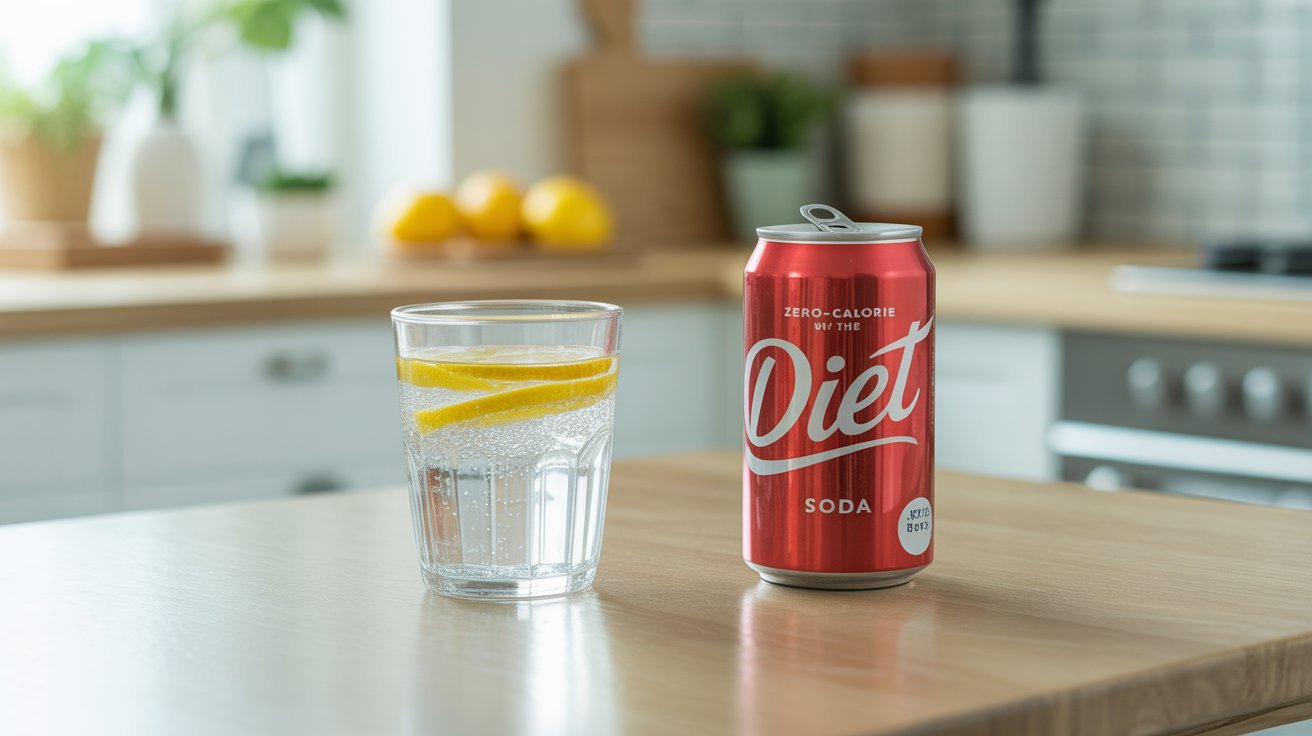
Sparkling water is a great replacement for diet soda. It has no calories, no sugar, and no artificial sweeteners. You still get the fizzy feel without affecting your appetite. Adding a slice of lemon, lime, or berries can naturally enhance its flavor. Drinking sparkling water helps curb cravings while maintaining hydration.
Flavored Water Without Sweeteners
Flavored water made from real fruit or herbs is another good choice. It adds taste without sugar or artificial sweeteners. Ingredients like cucumber, mint, or orange slices make the water refreshing. This option supports weight loss while maintaining healthy daily food choices.
Other low-calorie drinks include unsweetened tea, black coffee, or infused water. These drinks have minimal calories and do not spike insulin. They can reduce sugar cravings and support fat loss. Choosing these beverages instead of diet soda keeps your metabolism steady and habits in check.
Final Verdict
Diet soda can help some people cut calories and reduce sugar intake. Swapping it for regular soda may save calories and support short-term weight loss. But it is not a magic solution. Some people experience more cravings, hunger, or bloating after drinking it. Long-term reliance may affect appetite control and daily food choices. The best approach is moderation. Drink diet soda occasionally, focus on water and nutritious beverages, and maintain healthy eating habits. Understanding how your body reacts will help you decide whether diet soda fits your weight-loss plan.
Frequently Asked Questions (FAQs)
Is drinking diet soda good for weight loss?
Diet soda can help reduce calories when it replaces sugary drinks. But it is not a magic solution. Its effect depends on your overall eating habits and cravings.
Can diet soda increase sugar cravings?
Yes, for some people. Artificial sweeteners can keep the taste for sweets active, which may lead to extra snacking or larger portions.
Does diet soda affect metabolism?
Diet soda has no calories, but artificial sweeteners can slightly impact insulin and appetite. Individual responses vary.
Are there healthier alternatives to diet soda?
Yes. Sparkling water, flavored water without sweeteners, unsweetened tea, or black coffee are better choices to support weight loss.
Should everyone avoid diet soda?
Not everyone, but people sensitive to artificial sweeteners or those struggling with cravings may benefit from limiting it.
