

What are the 5 most important exercises? It is a question many people ask when trying to improve fitness and overall health. The answer includes exercises that target strength, endurance, flexibility, and core stability. Squats, push-ups, planks, pull-ups or rows, and cardio activities like running or cycling form the foundation of a strong, balanced body.
These exercises work multiple muscle groups, boost energy, and support long-term health. By including them in a daily or weekly routine, you can build strength, improve posture, increase endurance, and maintain a healthy metabolism. Understanding and practicing these key exercises ensures your workouts are effective and your body stays resilient and healthy.
Squats: Strengthen Your Legs and Core
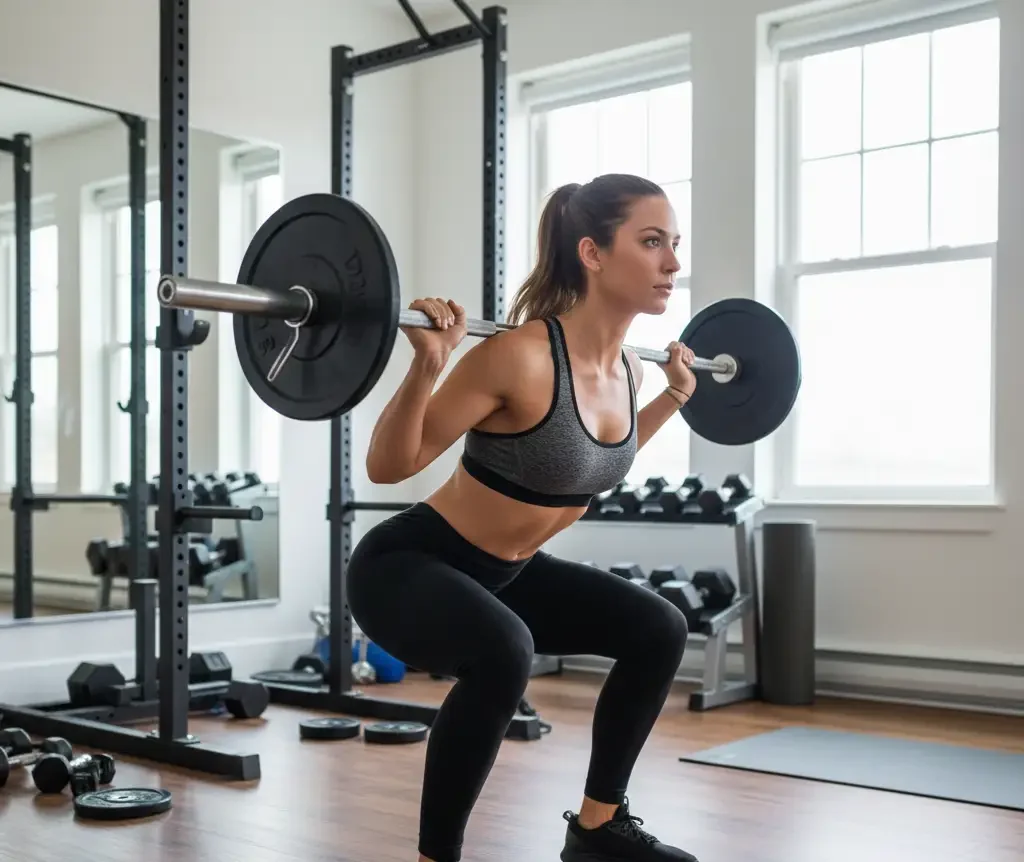
Squats are among the most important exercises for building lower-body strength and improving core stability. They work your quads, hamstrings, glutes, and even your lower back. Squats also help improve posture, balance, and overall functional fitness. Doing them regularly can make everyday movements, like lifting or climbing stairs, easier and safer.
Benefits for Lower Body and Core
Squats target multiple muscle groups at once. Your legs get stronger, your glutes become firmer, and your core muscles engage to maintain balance. This makes squats a compound exercise, meaning you get more results in less time. They also help improve flexibility in your hips and ankles.
Proper Form and Tips
To perform a squat correctly, stand with your feet shoulder-width apart. Keep your chest up, engage your core, and push your hips back as if you were sitting in a chair. Lower your body until your thighs are parallel to the ground, then push through your heels to return to standing. Avoid letting your knees go past your toes to prevent injury. Beginners can start with bodyweight squats, while advanced exercisers can add dumbbells or kettlebells.
Squats are simple but highly effective. With consistent practice, they strengthen your legs, engage your core, and improve overall functional fitness, making them a key part of any full-body workout routine.
Push-Ups: Build Upper Body Strength
Push-ups are a classic exercise that strengthens your chest, arms, shoulders, and core. They are simple, require no equipment, and can be done anywhere. Push-ups help improve posture, support functional fitness, and increase upper-body endurance. Including them in your daily routine builds strength and stabilizes muscles used in everyday movements.
Benefits for Chest, Arms, and Core
Push-ups engage multiple muscle groups at once. Your chest and shoulders do most of the work, while your triceps help push your body up. Your core and lower back stay tight to maintain proper alignment, making push-ups a full-body exercise. Regular practice improves muscle tone, boosts metabolism, and enhances overall body strength.
Variations for Beginners and Advanced
Beginners can start with knee push-ups or wall push-ups to build strength safely. Intermediate exercisers can do standard push-ups, while advanced options include decline push-ups, diamond push-ups, or adding a weighted vest. Changing hand placement or body angle targets different muscles, keeping workouts challenging and effective.
Push-ups are a versatile, essential exercise. They strengthen the upper body, engage the core, and improve endurance, making them among the five most important exercises for a strong, healthy body.
Planks: Strengthen Your Core and Stability
Planks are one of the most effective exercises for building core strength and improving overall stability. Unlike other exercises, planks engage multiple muscles at once, including your abs, lower back, shoulders, and glutes. A strong core supports posture, balance, and functional fitness, making daily activities easier and reducing the risk of injury.
Benefits of Core Strength
A solid core is essential for almost every movement. Planks help stabilize your spine, protect your lower back, and improve your balance. They also enhance performance in other exercises, like squats and push-ups, because your core muscles provide a strong foundation. Regular practice boosts endurance, strengthens abdominal muscles, and promotes better posture.
Tips for Proper Form
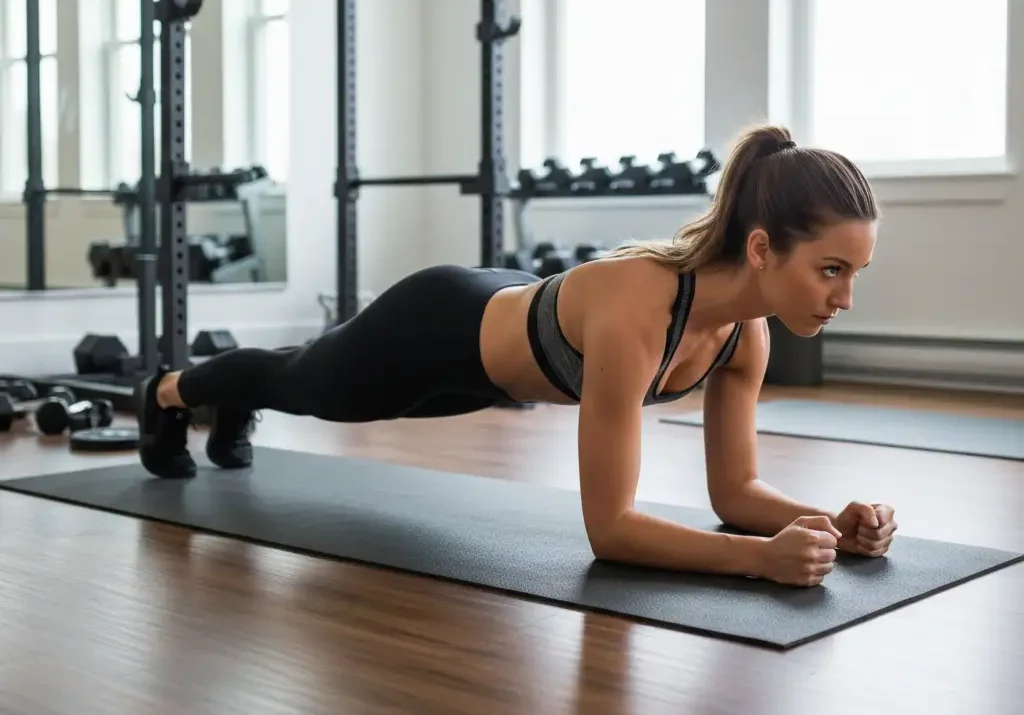
To do a plank correctly, place your forearms on the ground, elbows under your shoulders, and keep your body in a straight line from head to heels. Engage your core, squeeze your glutes, and avoid letting your hips sag or rise. Beginners can start with 20–30 seconds, gradually increasing time as strength improves. Variations, such as side planks or planks with shoulder taps, target different muscles and help prevent boredom.
Planks are simple but highly effective. By incorporating them into your routine, you can develop a strong core, improve stability, and support overall full-body strength and functional fitness.
Planks: Strengthen Your Core and Stability
Planks are one of the most effective exercises for building core strength and improving overall stability. Unlike other exercises, planks engage multiple muscles at once, including your abs, lower back, shoulders, and glutes. A strong core supports posture, balance, and functional fitness, making daily activities easier and reducing the risk of injury.
Benefits of Core Strength
A solid core is essential for almost every movement. Planks help stabilize your spine, protect your lower back, and improve your balance. They also enhance performance in other exercises, like squats and push-ups, because your core muscles provide a strong foundation. Regular practice boosts endurance, strengthens abdominal muscles, and promotes better posture.
Tips for Proper Form
To do a plank correctly, place your forearms on the ground, elbows under your shoulders, and keep your body in a straight line from head to heels. Engage your core, squeeze your glutes, and avoid letting your hips sag or rise. Beginners can start with 20–30 seconds, gradually increasing time as strength improves. Variations, such as side planks or planks with shoulder taps, target different muscles and help prevent boredom.
Planks are simple but highly effective. By incorporating them into your routine, you can develop a strong core, improve stability, and support overall full-body strength and functional fitness.
Pull-Ups or Rows: Strengthen Your Back and Arms
Pull-ups and rows are essential exercises for building upper back and arm strength. They target muscles like the lats, traps, biceps, and shoulders. Strengthening these muscles improves posture, supports daily movements like lifting, and helps balance your body after chest-focused exercises like push-ups.
Benefits for Upper Back and Arms
Pull-ups and rows work multiple muscles simultaneously. Pull-ups primarily strengthen your back and arms while engaging your core for stability. Rows, whether done with dumbbells, resistance bands, or machines, improve upper back strength and help prevent shoulder injuries. Strong back muscles support proper posture and reduce the risk of chronic back pain.
Alternatives for Home Workouts
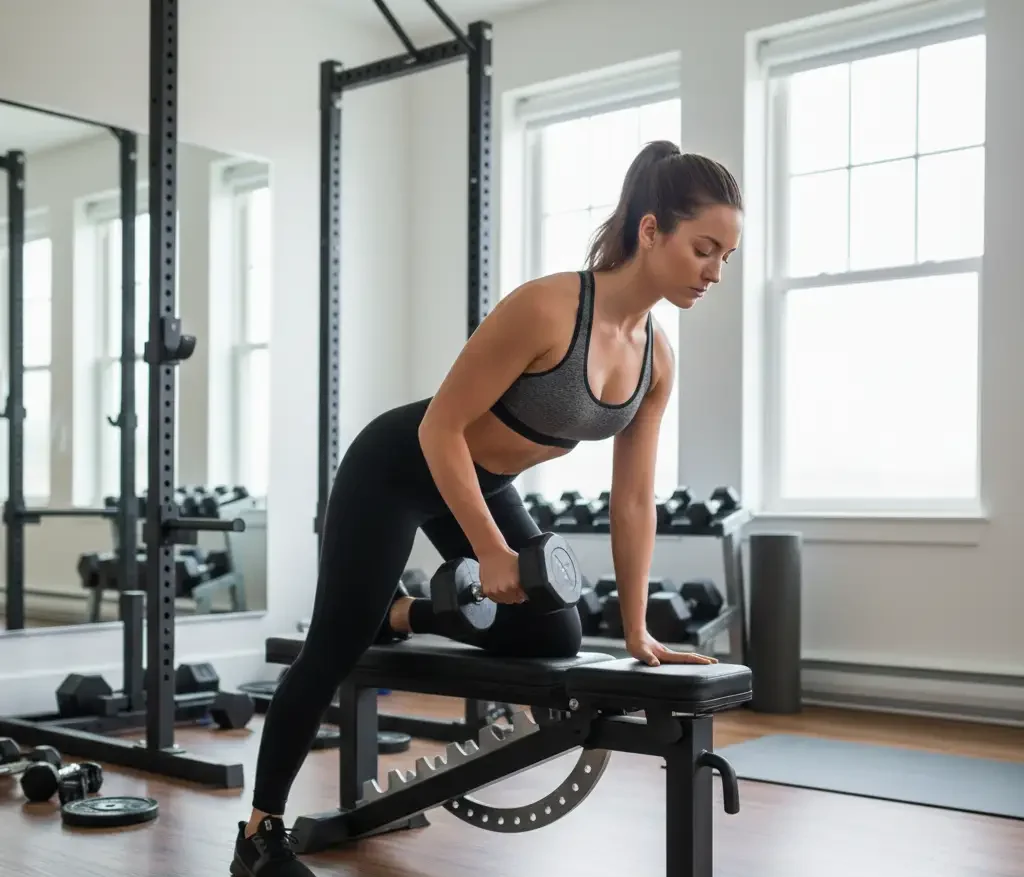
Not everyone has access to a pull-up bar. In that case, dumbbell rows, resistance-band rows, or inverted rows on a sturdy table are effective alternatives. Beginners can use assisted pull-up machines or bands to build strength gradually. Consistency and proper form are key to maximizing results while avoiding injury.
Including pull-ups or rows in your routine strengthens your back, arms, and core. They complement other exercises like push-ups and planks, making your workout more balanced and helping you build a strong, functional body.
How to Combine These Exercises for Maximum Results
To get the most from the five most important exercises, it’s essential to combine them into a balanced routine. Squats, push-ups, planks, pull-ups or rows, and cardio each target different muscles and fitness components. When combined, they build strength, endurance, stability, and flexibility, providing a full-body workout.
Creating a Weekly Routine
A simple approach is to alternate strength and cardio days. For example, do squats, push-ups, planks, and pull-ups or rows on Monday, Wednesday, and Friday. Include cardio like running, cycling, or jump rope on Tuesday, Thursday, and Saturday. Beginners can start with shorter sessions, while advanced exercisers can increase sets, repetitions, or intensity.
Tips for Consistency and Safety
Always warm up before workouts and stretch afterward to prevent injury. Focus on proper form rather than speed or heavy weights. Listen to your body and rest when needed. Gradually increasing intensity ensures progress without overtraining.
Combining these exercises consistently strengthens every part of your body, improves endurance, and enhances overall fitness. Following a balanced routine helps you build a strong, healthy body efficiently while reducing the risk of injury.
How to Combine These Exercises for Maximum Results
To get the most from the five most important exercises, it’s essential to combine them into a balanced routine. Squats, push-ups, planks, pull-ups or rows, and cardio each target different muscles and fitness components. When combined, they build strength, endurance, stability, and flexibility, providing a full-body workout.
Creating a Weekly Routine
A simple approach is to alternate strength and cardio days. For example, do squats, push-ups, planks, and pull-ups or rows on Monday, Wednesday, and Friday. Include cardio like running, cycling, or jump rope on Tuesday, Thursday, and Saturday. Beginners can start with shorter sessions, while advanced exercisers can increase sets, repetitions, or intensity.
Tips for Consistency and Safety
Always warm up before workouts and stretch afterward to prevent injury. Focus on proper form rather than speed or heavy weights. Listen to your body and rest when needed. Gradually increasing intensity ensures progress without overtraining.
Combining these exercises consistently strengthens every part of your body, improves endurance, and enhances overall fitness. Following a balanced routine helps you build a strong, healthy body efficiently while reducing the risk of injury.
Conclusion
Focusing on the five most important exercises squats, push-ups, planks, pull-ups or rows, and cardioprovides a complete approach to full-body fitness. These exercises strengthen your muscles, improve endurance, support heart health, and enhance overall functional fitness.
Consistency is essential. Performing these exercises regularly, even in short sessions, builds strength, stability, and stamina over time. Proper form and gradual progression prevent injuries and ensure maximum benefits. Pairing strength exercises with cardio and incorporating healthy habits such as good sleep, balanced nutrition, and stretching further enhances results.
By combining these exercises into a weekly routine, you target all major muscle groups and improve both physical and mental well-being. Starting small and practicing daily helps create a sustainable fitness habit. Over time, these five exercises form the foundation of a strong, healthy, and resilient body.
FAQ
What are the 5 most important exercises for overall fitness?
The five most important exercises are squats, push-ups, planks, pull-ups or rows, and cardio activities like running or cycling.
Why are squats considered essential exercises?
Squats strengthen the legs, glutes, and core while improving balance, posture, and functional fitness.
Can push-ups and planks be done at home without equipment?
Yes, both exercises use bodyweight and can be done anywhere, making them effective for home workouts.
How often should I do these five exercises?
Aim for 3–5 sessions per week, alternating strength and cardio exercises, adjusting intensity based on your fitness level.
Do cardio exercises complement strength training?
Yes. Cardio improves heart health and endurance, while strength training builds muscle and stability, creating a balanced, full-body routine.
